
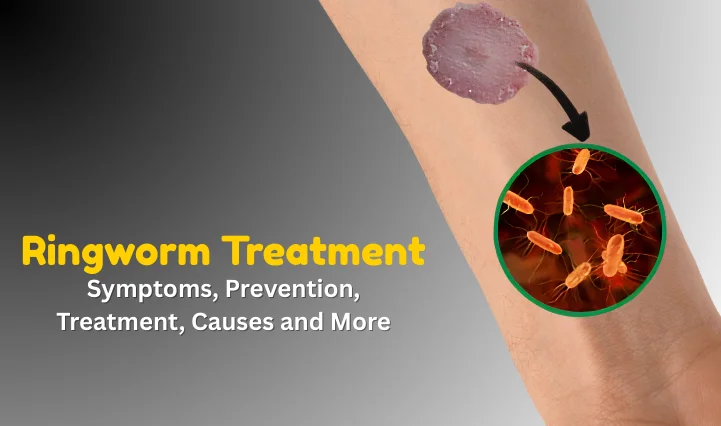

One of the major categories of skin infections that ringworm belongs to is the most common ones that affect people of all ages. Ringworm is not an infestation by a worm as the name implies. It is a fungal infection, the fact that it actually shows up as a circular, reddish skin that itches. It is a rather contagious disease that is easily transmitted during contact with infected skin, surfaces, and animals. When you have a red round patch on your skin, itchiness of skin, and a flake, then you may be dealing with the ringworm. It is necessary to learn the ringworm treatment in order to prevent its spreading to other people and to control the infection rapidly.
Table of Contents
What Is Ringworm?
Dermatophytosis or tinea is a skin fungal disease caused by dermatophytes. These fungi live in the warm and moist areas of the body and feed on keratin, which is a protein found in the skin, hair, and nails.
Ringworm is capable of arising on different body parts and they include:
- Tinea corporis – body
- Tinea cruris – groin (jock itch)
- Tinea capitis – scalp
- Tinea pedis- feet (athlete feet)
- Tinea unguium – nails
- Tinea barbae – beard area
The symptoms of each type are slightly different though they all need prompt treatment in order to prevent the further spread.
What Causes Ringworm?
The fungi cause ringworm infection and are thrived in:
- Moist environments
- Sweat and heat
- Unhygienic conditions
- Common clothes or bathing products.
Common Sources Include:
1. Human-to-Human Contact
A person may get infected with ringworm by direct contact with an infected person. Using such things as towels, combs, shoes, or even clothes that an infected person has used may also cause infection.
2. Animal-to-Human Contact
The fungus is frequently present in pets like cats, dogs, rabbits or cows.
3. Soil Contact
The spores of fungi in the soil may also affect the skin in case a man touches infected soil.
4. Indirect Contact
Raising the probability of touching gym equipment, bedsheets, locker rooms or other places that are exposed to the infection.
Symptoms of Ringworm: How to Diagnose the Infection?
Early identification of the ringworm contributes to prompt treatment. The symptoms depend on the location of the infection but the most prevalent symptoms are:
- Painful, flushed, red rash with contours.
- Itchy, scaly patches
- Ring-like form (that is why it was named so).
- Alopecia in the affected parts (particularly scalp)
- Blisters or oozing (in extreme cases)
- The infection heals with dark or light spots.
- Nail thickening or discolouration.
When you see some red spots, which are ring-like or itchy, then the treatment of the area will allow you to prevent the infection.
Ringworm Treatment: How to Rid Yourself of Ringworm?
Ringworm treatment is possible although it must be within a short time. The majority of the cases will be treated with antifungal creams, and the really serious ones will have to be treated with oral medications.
The best ringworm treatments are the following:
1. First-Line Treatment: Topical Antifungal Creams
It is the prevalent and common way of treating mild to moderate ringworm.
Common prescriptions made by dermatologists include creams with the following:
- Clotrimazole
- Terbinafine
- Miconazole
- Ketoconazole
- Econazole
How these creams help:
- Reduce fungal growth
- Relieve itching
- Heal the skin
- Prevent spreading
How to use:
Rub a light coating on the affected area and 1 inch of the area. Take every day, or twice a day, at least 2-4 weeks even when symptoms are cured sooner.
2. Oral Antifungal Medications
In severe cases, or in other parts of the body such as the scalp, nails, or beard, physicians can prescribe tablets, including:
- Itraconazole
- Terbinafine
- Fluconazole
- Griseofulvin
These medications help when:
- The infection does not cure by creams.
- It affects hair or nails
- It spreads rapidly
- There are multiple patches
3. Scalp Ringworm Guarded by Medicated Shampoos
Shampoos containing:
- Ketoconazole
- Selenium sulfide
- Zinc pyrithione
These assist in lessening the fungal burden on the head and avoid infection of others.
4. Keeping Hygiene in Treatment
To be cured is not sufficient without proper hygiene:
- Laundry daily of wash clothes, bed and towels.
- Wipe the affected area with a dry towel.
- Avoid scratching
- Wear loose cotton clothes which are clean.
- Do not give out personal things.
Safe Remedies to Treat Ringworm (Home Remedies)
Home remedies are not a substitute to medical therapy but they help in the healing process and alleviation of symptoms.
1. Tea Tree Oil
- Has a potent antifungal activity.
- Use: Dilute with coconut oil and rub it twice a day.
2. Aloe Vera
- Relieves inflammation and itching.
- The method of applying: Aloe vera gel should be gently massaged on the skin that is irritated.
3. Apple Cider Vinegar
- Supports the body in fighting fungi.
- Usage: Apply with cotton and do it 12 times a day.
4. Coconut Oil
- Lauric acid, which has antifungal action, is contained.
- Use 2-3 times a day as a soothing agent.
5. Turmeric Paste
- Innate antiseptic and anti-inflammatory.
- Turmeric can be used on the rash and left to 10-15 minutes.
Note:
Home treatment provides relief, but not a cure of ringworm. Combine them with recommended treatment by doctors.
Nourishing Foods to Speed Up Recovery
Fungal infections can be resisted with the help of a healthy immune system. Include:
- Garlic
- Yogurt (probiotics)
- Turmeric
- Green leafy vegetables
- Vitamin C-rich fruits
- Nuts and seeds
Do not consume sweetened food since fungi live off of sugar.
What Not To Do in Ringworm Treatment?
In order to avoid aggravation of infection:
- Wear clothes, towels, grooming utensils separately.
- Do not use synthetic or tight clothes.
- Do not scratch the rash
- Home steroid creams (very harmful) should be avoided.
- Don’t stop treatment early
- Keep off heavy makeup or chemical products on affected skin.
Ringworm Treatment in Children
Ringworm thrives in children as a result of close exposure in learning institutions and playgrounds.
Treatment includes:
- Topical antifungal creams
- Antifungal shampoos (to treat shampoo infections)
- Oral medicines (if necessary)
Parents should ensure:
- Regular handwashing
- Clean bedding and toys
- Kids avoid scratching
Ringworm Treatment for Pets
Pets tend to transmit the fungus on fur.
Common signs in pets:
- Round bald patches
- Redness
- Itching
Treatment includes:
- Medicated shampoos
- Antifungal creams
- Orally administered veterinarian medication.
Wash their bedding, toys and grooming tools too.
Ringworm Remedy: How Fast Should It Heal?
Recovery time would also depend on the severity:
| Condition | Recovery Time |
|---|---|
| Mild ringworm | 2-4 weeks |
| Scalp ringworm | 4-8 weeks |
| Nail infection | Several months |
| Widespread infection | May require 6-8 weeks of treatment |
Early treatment accelerates recovery.
Can Ringworm Come Back?
Yes, ringworm can recur if:
- Treatment is stopped early
- Hygiene is poor
- Painting or bedding is dirty.
- Animals are infected without having been treated.
Prevention of Ringworm (Prevention Tips)
The prevention is very important as the spread of ringworm is highly contagious.
- Keep skin clean and dry
- Do not share personal things.
- Wear shoes in communal bath-rooms or pools.
- Make sure to wash gym clothes every time you use them.
- Another pair of socks and underwear should be worn every day of you.
- If you are sweating a lot, do not forget to apply antifungal powder.
- Keep your nails trimmed and clean
- Disinfect surfaces
- Check pets for infections
- Risk is minimized by basic hygiene measures.
Comparison of Ringworm and Eczema or Psoriasis
| Feature | Ringworm | Eczema | Psoriasis |
|---|---|---|---|
| Cause | Fungus | Allergy/irritants | Immune disorder |
| Shape | Circular rash | Patches | Thick silvery scales |
| Itching | Common | Severe | Mild-moderate |
| Contagious | Yes | No | No |
| Treatment | Antifungals | Moisturizers, steroids | Immunosuppressants |
In case of doubt, it is always advisable to visit a doctor.
When to See a Doctor?
Seek medical help if:
- The rash spreads quickly
- Non-prescription therapy is not effective.
- Its location is either the nails or the scalp.
- The swelling or pain is severe.
- The rash oozes or forms pus
- A child or infant is infected
- Your body has a lower immunity.
Early intervention avoids complications.
Conclusion
One of the most common but treatable fungal infections is the ringworm. Most cases are cured within weeks with early identification, proper antifungal treatment and with good hygiene. The trick is in being consistent with ringworm treatment and be clean to avoid spreading or relapse.
It does not matter whether the infection is on the skin, scalp, nails, or groin, timely treatment will be the source of faster recovery and will keep away the risk of problems arising.
Frequently Asked Questions
Ans. No, ringworm normally does not go away without treatment.
Ans. Yes, it spreads easily through contact, shared items, or pets.
Ans. Creams containing clotrimazole, terbinafine, or ketoconazole are commonly used.
You must be logged in to post a comment.