
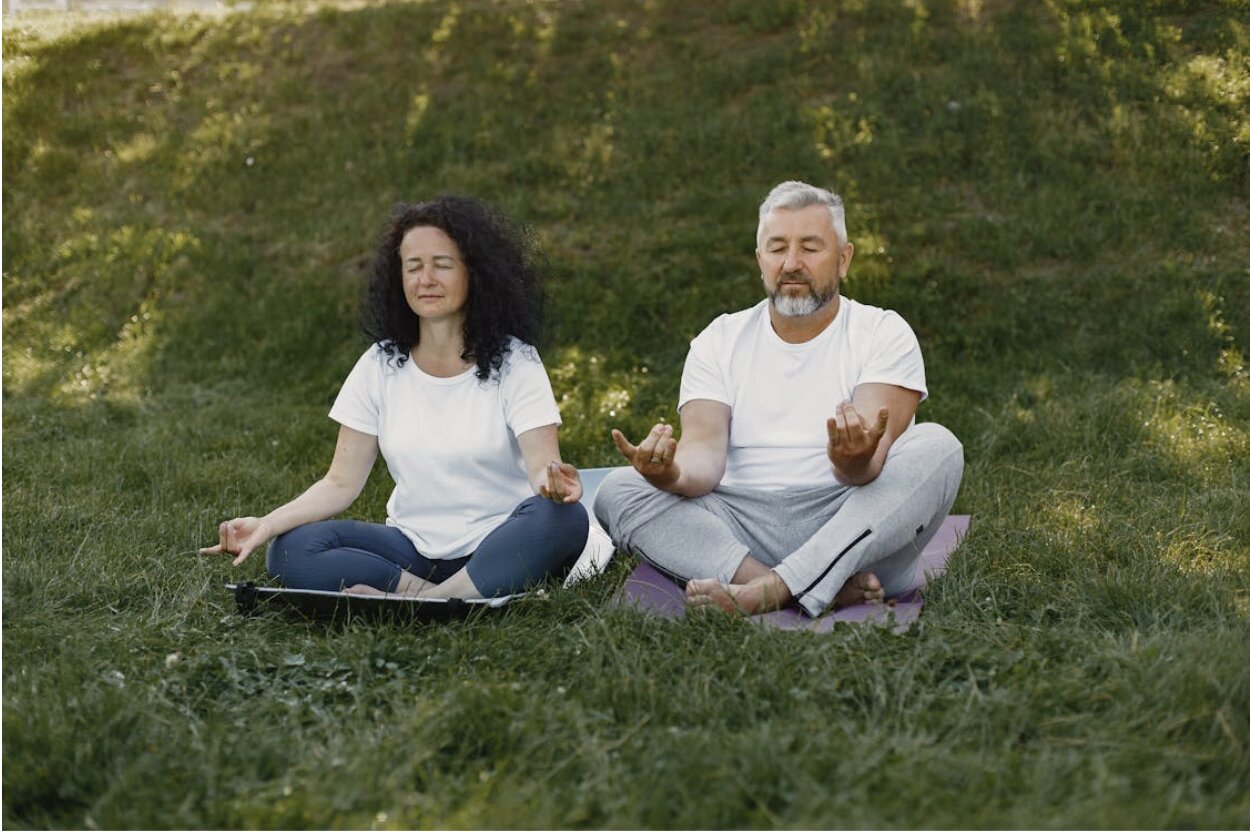

Staying strong and active after 60 is one of the most effective ways to maintain independence. Regular strength training supports balance, mobility, and overall confidence in daily activities. It can help older adults preserve muscle mass, protect joints, and enhance quality of life well into later years.
Table of Contents
Why Muscle Strength Matters With Age
As people age, natural muscle loss occurs, often leading to reduced stability and slower movement. This process, known as sarcopenia, can begin as early as the 40s but becomes more noticeable in the 60s and beyond. Without regular strength exercises, tasks like climbing stairs or lifting groceries become harder over time.
By focusing on consistent resistance training, older adults can slow muscle decline and improve endurance. Even small gains in strength can translate to better posture, increased stamina, and reduced fatigue during everyday activities.
Key Benefits of Strength Training for Older Adults
Strength training offers many benefits beyond building muscle. It strengthens bones, supports heart health, and improves coordination. These advantages contribute to greater independence and confidence in movement.
- Improved balance: Strengthening leg and core muscles helps reduce the risk of falls.
- Joint protection: Strong muscles cushion and stabilize joints, lessening discomfort.
- Enhanced metabolism: More muscle means better energy use and weight management.
- Better mood and focus: Physical activity stimulates brain function and emotional well-being.
Safe and Effective Training Approaches
Working with a personal trainer for the elderly can make strength training safer and more effective. Trainers who specialize in mature fitness understand mobility limitations and tailor exercises to individual abilities. Proper technique and gradual progression help prevent injury while still building strength.
Many older adults benefit from resistance bands, light dumbbells, or bodyweight exercises. These methods are gentle yet productive, promoting flexibility and endurance without overexertion.
Examples of Suitable Exercises
Simple routines can yield great results when practiced regularly. The following examples are often recommended for adults over 60:
- Chair squats to strengthen the legs and hips
- Wall push-ups to improve upper-body endurance
- Seated knee extensions for better lower-body stability
- Light resistance band pulls for shoulder mobility
Supporting Long-Term Independence
Maintaining independence means being able to move safely, handle daily tasks, and enjoy social activities without constant assistance. Strength training builds resilience that supports these goals. It enables older adults to remain self-sufficient and confident in their movement.
Guidance from physical trainers for seniors ensures that programs remain balanced and age-appropriate. Trainers can adjust routines as needs evolve, helping individuals stay active and strong throughout the aging process.
Building a Sustainable Routine
Consistency is key to long-term benefits. Starting slowly, setting realistic goals, and celebrating progress all contribute to lasting results. Many find that exercising with peers or family members adds motivation and enjoyment.
With the right approach, strength training becomes more than a fitness routine. It becomes a foundation for independence, vitality, and a fulfilling lifestyle beyond 60.
You must be logged in to post a comment.