

Kangra tea benefits go way beyond taste. Studies show that its leaves and fruits achieve up to 87% α-glucosidase inhibition and α-amylase inhibition that ranges from 45.2% to 98.2%. This makes it especially helpful in managing diabetes. This Himalayan brew comes from the leaves and buds of Camellia sinensis. People have treasured it for over 150 years. It even won a gold medal in London in 1886 for its exceptional flavour and quality. This geographical indication-certified tea has gained recognition for its distinctive aroma and impressive health properties. You’ll find that both varieties offer powerful antioxidant properties and support for lifestyle-related health concerns, whether you’re learning about kangra green tea benefits or kangra black tea benefits. In this piece, we’ll get into what makes this Himalayan tea unique. You should think over adding it to your daily wellness routine.
What Makes Kangra Tea Special
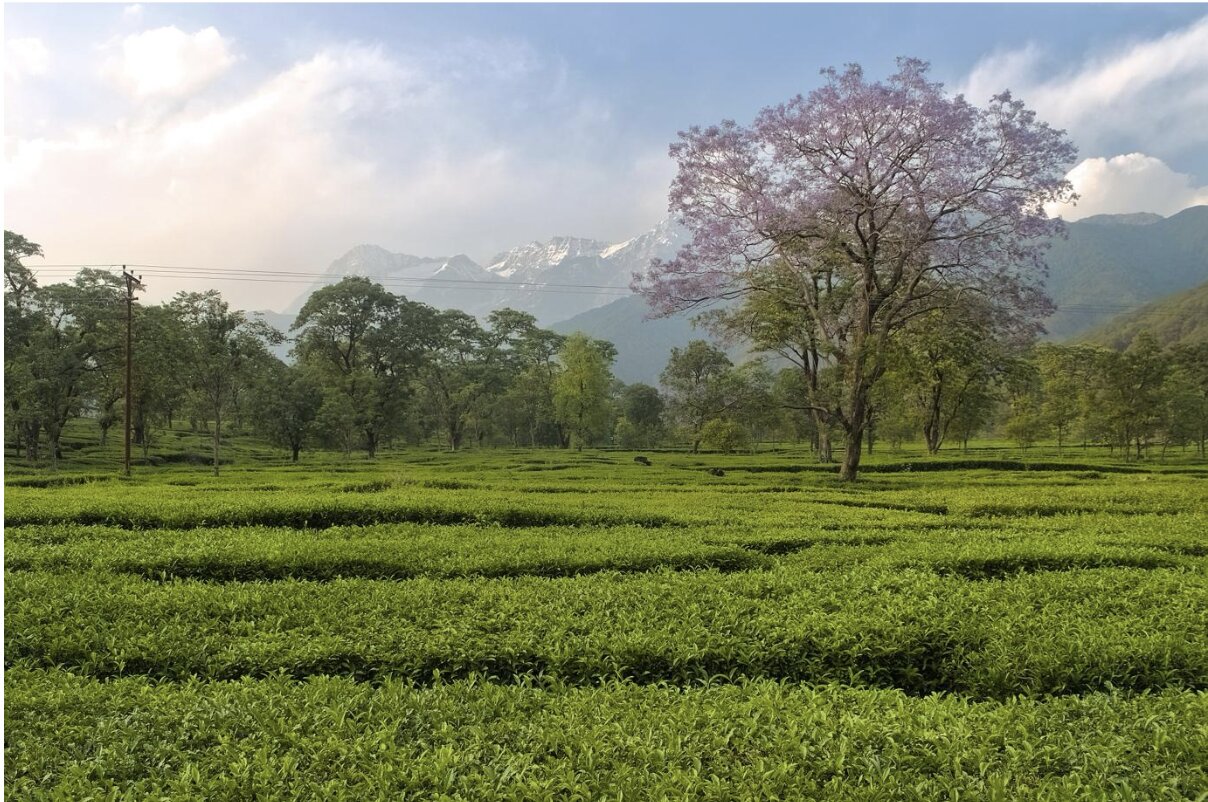
The European Commission granted Kangra tea Protected Geographical Indication status in July 2023, joining its earlier Indian GI certification from 2005. This tea grows in the Kangra Valley against the backdrop of the snow-clad Dhauladhar mountain range at elevations between 900 to 1,400 metres above sea level. The region receives annual rainfall of 270-350 cm. Dr. Jameson identified these conditions as ideal for tea cultivation back in 1849.
The climate and terrain contribute to Kangra tea’s distinctive profile. The first flush produces a fruity aroma, and black tea leaves a sweet lingering aftertaste while green tea has a woody fragrance. The tea contains up to 13% catechins and 3% caffeine, along with amino acids like theanine and glutamine. Its unique taste stems from abundant pyrazine contents.
Kangra tea presents a milder flavour than Darjeeling tea but compensates with more body and liquor. This difference arises from the China variety of Camellia sinensis used in Kangra. Some gardens maintain China bushes over 150 years old. The orthodox manufacturing process produces a pale liquor, done by hand largely, that accounts for 0.01-0.03% of India’s annual tea production. You can buy Kangra tea online from various retailers and experience this rare Himalayan brew yourself.
Kangra Tea Health Benefits
Studies show that kangra tea health benefits stem largely from the cooperative relationship between L-theanine and caffeine. L-theanine crosses the blood-brain barrier and increases GABA activity, which produces anti-anxiety effects while boosting dopamine and alpha wave production in the brain. The combination of these two compounds proves especially effective at improving brain function in both short-term and long-term scenarios. Green tea polyphenols protect dopamine neurons, with protection increasing based on consumption amount. This helps guard against Parkinson’s disease. Green tea targets Alzheimer’s disease through three mechanisms: preventing amyloid plaque formation, breaking down existing plaques, and stimulating new neuron creation.
Kangra tea benefits for weight loss include increased thermogenesis and fat oxidation. Green tea extract increases 24-hour energy expenditure by about 4%, translating to roughly 80 extra calories burned each day for a 2,000-calorie diet. The polyphenols improve fat oxidation and boost metabolic rate beyond what caffeine alone provides.
Heart health improves through reduced cardiovascular disease risk. Polyphenols prevent cell damage and inflammation while improving cholesterol levels and blood pressure. Green tea consumption also reduces liver disease risk by 32% overall, with specific reductions for hepatocellular carcinoma and hepatitis.
Kangra Green Tea Benefits vs Kangra Black Tea Benefits
Processing methods create the fundamental divide between these two varieties. Green tea undergoes minimal oxidation through immediate heating after harvest. Black tea experiences full oxidation that revolutionises its chemical structure. This difference produces distinct polyphenol profiles that determine their respective kangra green tea benefits and kangra black tea benefits.
Kangra green tea contains 30-40% polyphenols by dry weight. Catechins such as epicatechin gallate, epicatechin, and epigallocatechin gallate make up most of these compounds. Research demonstrates that these green tea extracts achieve 65-90.21% free radical elimination through DPPH testing. They achieve 60-80% through hydrogen peroxide testing and 55-76% through FRAP analysis. EGCG concentrations in green tea reach 200-300 mg per cup. This provides anticancer properties, liver protection and anti-inflammatory effects.
Black tea develops theaflavins and thearubigins during oxidation. These represent 3-6% of its total solids. These compounds deliver antiobesity, lipid-lowering and blood sugar-lowering effects. They benefit gut bacteria as well. Regular black tea consumption reduces death from heart disease by 4% per cup. It reduces heart attack risk by 2% and stroke risk by 4%. All-cause mortality drops by 1.5%.
Caffeine content is different between varieties. Black tea contains about 20% more caffeine than green tea.
Conclusion
Whether you’re seeking kangra green tea benefits for superior antioxidant content or kangra black tea benefits for cardiovascular support, this Himalayan brew offers health advantages backed by scientific research. Both varieties deliver powerful polyphenols and natural compounds, so you can choose based on your specific wellness goals.
Kangra tea stands out as more than just a beverage. It’s a daily wellness ritual that supports brain function, weight management and heart health whilst offering the distinctive taste of a 150-year-old tradition.
You must be logged in to post a comment.