
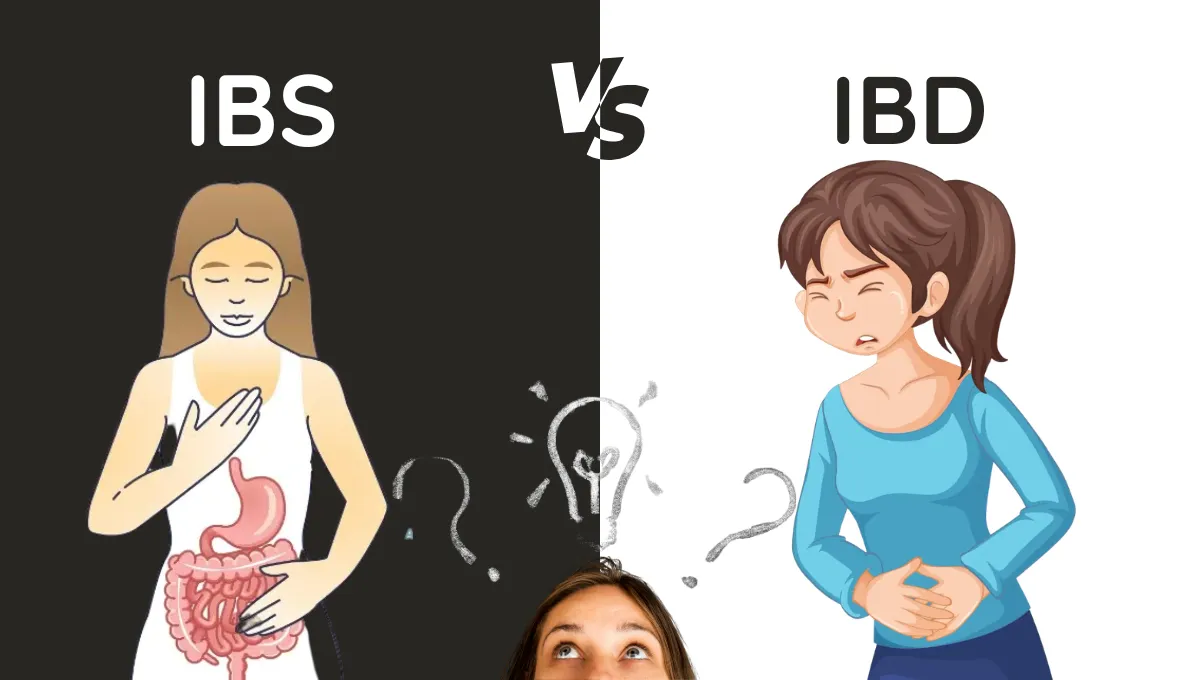

Suffering from digestive problems such as cramps, bloating or constant runs to the toilet? The IBS vs IBD upsets so many individuals because the symptoms are similar, yet one causes soreness to you and the other causes damage to your internal organs. The clearing of this misunderstanding prepares you to outsmart your doctor and get the fixes right in a flash.
Table of Contents
What is IBS?
Irritable bowel syndrome, or IBS is a kind of faulty gut signal that does not present itself as a harm that can be detected by tests. Your gut is hyperirritable, either damaging or not absorbing a passing food, leading to pain that is not accompanied by inflammation or ulcers. It bothers 10-15% of the population, mostly women, and starts during the teens or twenties in a stressful state. Pain seems to decrease following excretion, and it is all about abnormal movement, as well as a hypersensitive gut-brain connection.
What is IBD?
IBD or inflammatory bowel disease attacks your immune system by attacking the lining of your gut, which causes sores and swelling. Crohn goes in any site between the mouth and anus in patchy layers and ulcerative colitis attaches itself to the inner wall of the colon in a linear fashion. The damage, bleeding, and risks such as cancer or fistulas in the future are seen with the help of scans. This is not an acute fight but a chronic fight. It is the damage to the tissue.
Key Differences in IBS vs IBD
- Nature of the disorder: IBS is a functional disorder that does not cause structural damage that can be seen with tests such as scopes or scans, but rather falters in improper gut signals and motor problems. It does not advance to destroy tissues and increase cancer risks in the long run. However, IBD is an inflammatory disease that is structural with ulcers and scars being evident.
- Severity and complications: IBS does not require surgery or the threat of chronic illness like malnutrition because it only affects the life of a person by causing discomfort. In severe cases, IBD may cause fistulas, obstructions, or bowel blockages that may require surgery. IBS vs IBD, which is worse? IBD is the one that has the potential to destroy tissue and needs a heavier medical consideration.
- Long-term outlook: IBS patients control the signals and the gut fairness is preserved. IBD has to be monitored continuously to avoid such developments as colon cancer or anemia due to chronic bleeding.
IBS vs IBD Symptoms
- Shared symptoms: The two cause abdominal pain, bloating, diarrhea or constipation, and urgency, which usually occur in young adults. These similarities confuse people till tests, which can resolve the problem. The variations of the pain usually focus on the lower belly.
- IBS-specific symptoms: Excessive gas, nausea, phlegm in stool, and incomplete excretion are notable with cramps easing after bowel movements. Pain remains relatively low in the abdomen without being systemic. Symptoms fluctuate with triggers like meals.
- Warning Signs of IBD: Blood or black stools, fever, unintentional weight loss, fatigue, and inflammation of joints, skin, or eyes are warning signs. The pain of Crohn’s disease is on the right side, and colitis is on the left side, and the symptoms just go on and on.
IBS vs IBD Causes
- Triggers of IBD: An interactive combination of genetic factors, hyperactive immune reaction through the gut, and being bothered by smoking or infections. Environmental impacts such as diet, stimulate the spark in family-prone individuals. It brings about an inflammatory and ulcerative cycle.
- IBS causes: The miscommunication of the gut-brain increases the sensitivity of the nerves, interfering with motion and the balance of bacteria. Signals are normally triggered or increased by stress, some foods, hormones, or previous gut infections. There is no immune attack involved, just symptoms glitches.
- Distinct features: IBD is an autoimmune disease with a definite physical diagnosis; IBS is an acquired disease due to functional intolerance of the intestines without tissue damage.
IBS vs IBD Treatment
- Diet and lifestyle for both: More fiber and water and less lactose, caffeine, beans, or FODMAPs may help regulate signals. There is no such thing as a generic diet, but personal changes are most important. Hydration facilitates simplified digestion everywhere.
- IBS-specific interventions: Antispasmodics ease cramps, laxatives or anti-diarrheals help to treat bowel issues, and low-dose antidepressants help to calm nerves. Include yoga, CBT, probiotics or stress relief to your gut-brain in your daily routine, no anti-inflammatory medications required.
- IBD-specific treatments: Aminosalicylates, short-course steroids, immunomodulators, biologics, and antibiotics attack inflammation directly. Surgery helps to get rid of damaged parts when medications have no effect; support groups assist in coping.
When to Seek a Doctor for IBS and IBD
Don’t try to administer by yourself. It is time to visit the doctor, preferably a gastroenterologist (specialist in digestive diseases) if you have frequent bowel movements changes or repeated pain in the abdomen.
See a doctor immediately in case you have any of the so-called red flag symptoms that indicate IBD or another dangerous condition:
- Bloody /black stools or rectal bleeding.
- Unexplained weight loss
- Constant fever
- Cyclic, acute abdominal pain.
- Symptoms that wake you up from sleep.
You must be logged in to post a comment.