
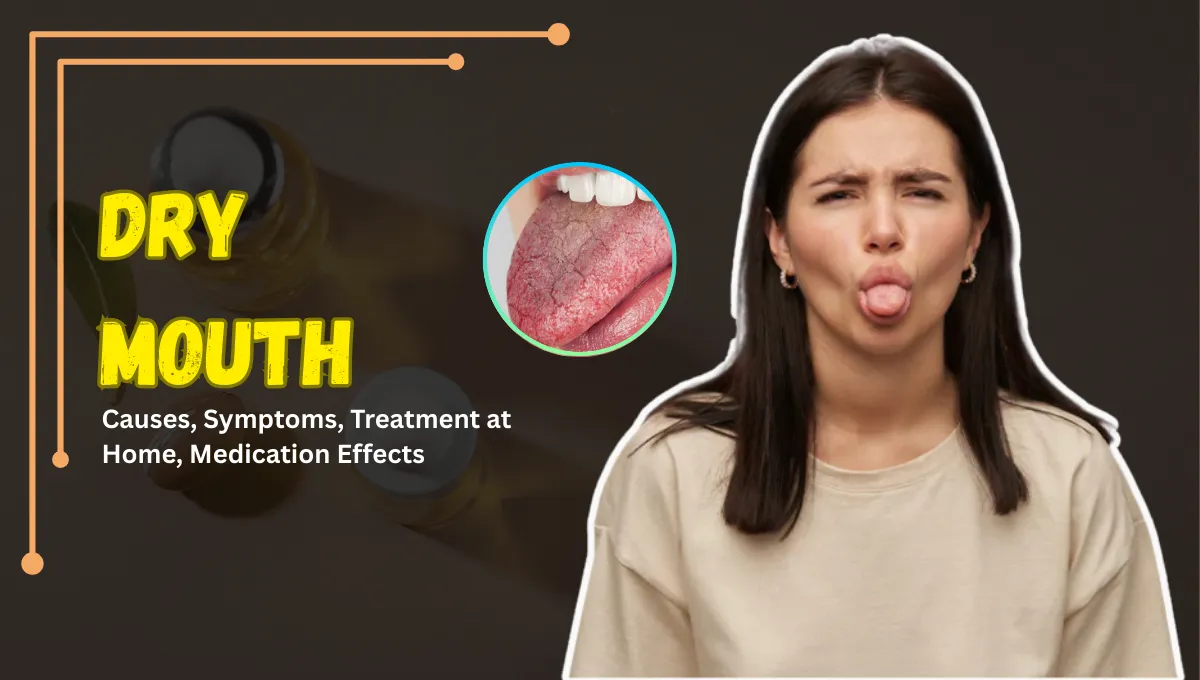

Xerostomia, in other words, dry mouth occurs when your salivary glands are not producing sufficient saliva to keep your mouth wet. It has a prevalence of approximately 1 in 5 individuals or it is more prevalent in older adults. Though we all suffer from mouth dryness occasionally when we are nervous or dehydrated, this problem may have a lasting effect on the quality of life, eating habits, and oral health.
Table of Contents
Understanding Dry Mouth and Its Impact
The saliva is what makes your mouth healthy. It is a moisturizer of food, a remover of bacteria, a counterbalance of bad acids, and a giver of minerals to prevent tooth decay. In case you fail to produce saliva, then you can have cavities, gum diseases, mouth sores and thrush. It also complicates to chew, swallow and talk.
Common Symptoms
There are a number of signs that are characteristic of people when they are suffering from dry mouth. The most noticeable symptom is a sticky parched sensation in the place of your tongue, apparently attached to the roof of your mouth when you speak. Saliva can be thick and stringy as opposed to fluid. Other conditions are the existence of bad breath, rough or grooved tongue, sore throat, hoarseness, and difficulty with denture wearing.
Other warning effects are cracked lips, mouth ulcers, a burning or tingling sensation in your mouth, a changed taste sensation, and augmented thirst. Others also complain about having a dry mouth at night which may be due to mouth breathing as they sleep, the use of a CPAP machine, or dental retainers.
What Causes Dry Mouth?
Medications and Drugs
Medication side effects are the most prevalent ones that cause dry mouth. Over-the-counter and prescription medications that decrease saliva include antidepressants, antihistamines, decongestants, blood-pressure medications, painkillers, muscle relaxants and anti-anxiety medications, among others (more than 600). Drugs like methamphetamine and marijuana are also illicit and lead to severe cases of dry mouth which in turn can destroy teeth.
Medical Conditions
Various health disorders directly influence the production of saliva. Sjogren syndrome is an autoimmune disease and usually leads to chronic dry mouth, dry eyes, and painful joints. Other ailments encompass diabetes, HIV/AIDS, Alzheimer’s, Parkinson and stroke, rheumatoid arthritis, and salivary gland infections such as mumps.
Cancer Treatments
Chemotherapy has the capacity to change the composition and production of saliva, although the normal flow usually restores itself upon the termination of treatment. Head and neck radiation therapy may harm the salivary glands, which may lead to a permanent decrease in the amount of saliva produced based on the amount of radiation and the radiation area.
Lifestyle Factors
Lifestyle habits are also the ones that play a large part in the development of dry mouth. Tobacco, smoking or chewing has an impact on the output of saliva and worsens symptoms. The consumption of alcohol leads to the loss of water by frequent urination and drying of the mouth tissues. Mouth breathing, as a result of blocked sinuses or even in the sleeping habits of a person, may cause great dryness, especially at night.
Dry Mouth Treatment at Home
A number of good household remedies may be used to cope with the symptoms of dry mouth. Taking the water in abundance during the day keeps your mouth damp and loosens the mucus. Get a water bottle and drink in regular intervals, and keep water by your bedside at night.
The consumption of sugar-free gum or sucking candy that contains xylitol, in particular, triggers saliva. But do not use acidic tastes such as lemon, which may weaken tooth enamel. A room humidifier during sleep provides moisture to the air in the bedrooms and lessens night dryness.
Other at-home strategies of treating dry mouth are breathing using your nose rather than your mouth, moistening foods with broths, soups, sauces, or gravies, and taking soft and moist foods at a cool or room temperature. Use Vaseline or 1-lanolin-based balm to treat cracked and dry lips.
What to Avoid
There are some substances that aggravate the symptoms of dry mouth, and they should be restricted or avoided. Drinks with caffeine, such as coffee, tea, and certain soda make your mouth dry.
The alcohol present in either beverages or mouthwashes enhances dehydration and mouth dryness.
Fruit juices, soft drinks, energy drinks, and sports drinks are acidic and can cause damage to the tooth enamel, and in this case, they are rich in sugar. There should be no spicy or salty food, as such would cause pain in the already dry mouth. Dry foodstuffs such as crackers, dry breads, and dry fruits should be restricted as well.
Vaping, tobacco use, and smoking are major causes of aggravation of dry mouth and must be avoided altogether. Commercial alcohol based or peroxide-based mouthwashes will also dehydrate your mouth. So, they need to be replaced with alcohol based ones.
Medical Treatments and Medications
Professional Treatment Options
Dry mouth Treatment relies on the cause of the problem. In case of medication initiation for your symptoms, your medical professional can either reduce the dosage or switch you to another medication that will not affect the saliva secretion. It is strongly advised never to stop using medication prescribed to you without the advice of your physician.
To restore the mouth’s moisture, your dentist can either prescribe an artificial saliva substitute or oral rinses. There are special toothpastes, mouthwashes, and moisturizing gels that have been created to use on dry mouth. These products have lubricating components that are used in maintaining the level of moisture.
Prescription Medications
Saliva can be increased by two prescription medications approved by the FDA. Salagen (pilocarpine) is used to increase the amount of salivary gland secretions. The dry mouth in individuals with Sjogren syndrome is particularly treated with Evoxac (cevimeline).
In underlying infections of the salivary glands, there is a likelihood that antibiotics or anti-fungal drugs will be prescribed. Blockage of salivary glands, such as stones, normally needs to be removed by means of minor surgery.
Is There a Miracle Cure for Dry Mouth?
No miracle treatment for dry mouth exists. However, it can be well managed using a combination approach. To become successful, it is necessary to find the root cause. Keep excellent oral hygiene, use proper products and implement the required changes in lifestyle. The treatment will be a matter of trial and error, trying to arrive at the correct solution to your problem.
There is promising research on advanced treatment in progress. Researchers are devising ways of repairing damaged salivary glands and inventing artificial salivary glands that may be surgically implanted. These innovations are not in the market yet, but they provide a hope of managing dry mouth in the future.
Preventing Dental Complications
The lack of saliva coverage exposes the teeth to decay, gum disease, and infection since they are more prone to this due to dry mouth. You need good oral care. Clean teeth twice a day, not less than once right after eating, then at bedtime. Between teeth spaces, daily use a small brush.
Take fluoride toothpaste and rinses or gels of fluoride in case your dentist advises you to. Visit the dentist every 6 to 12 months and also have a check-up. Visits may have to be increased in case you are at risk. The dentist would be able to identify early cavities and gum issues that develop more quickly with dry mouth.
When to See a Doctor
Dry mouth that takes more than occasional time should also make you visit a doctor. In case your mouth remains dry even after taking adequate water, then you should be examined by a professional. The early treatment prevents the aggravation of the issue and reduces the possibility of severe tooth problems.
Get assistance in case of severe signs such as difficulty in swallowing, sore mouth that has not healed yet, signs of infection or because the dry mouth actually makes eating, speaking, or sleeping unpleasant. Dentists and primary doctors generally cooperate with each other in order to identify the cause and develop treatment.
Frequently Asked Questions
Ans. The best dry mouth treatment involves identifying the cause, adjusting medications if needed, drinking more water, and maintaining oral hygiene.
Ans. There’s no single miracle cure for dry mouth. But effective management is possible through a combination of lifestyle changes, proper hydration, medication adjustments, and using oral care products.
Ans. For dry mouth treatment at home, drink water frequently, chew sugar-free gum with xylitol, and use a humidifier. You can also breathe through your nose, avoid caffeine and alcohol, and apply lip balm to cracked lips.
Ans. To relieve dry mouth at night, keep water by your bedside and use a bedroom humidifier. You can breathe through your nose instead of your mouth. You should avoid evening caffeine and alcohol and apply lip balm before sleeping.
You must be logged in to post a comment.