
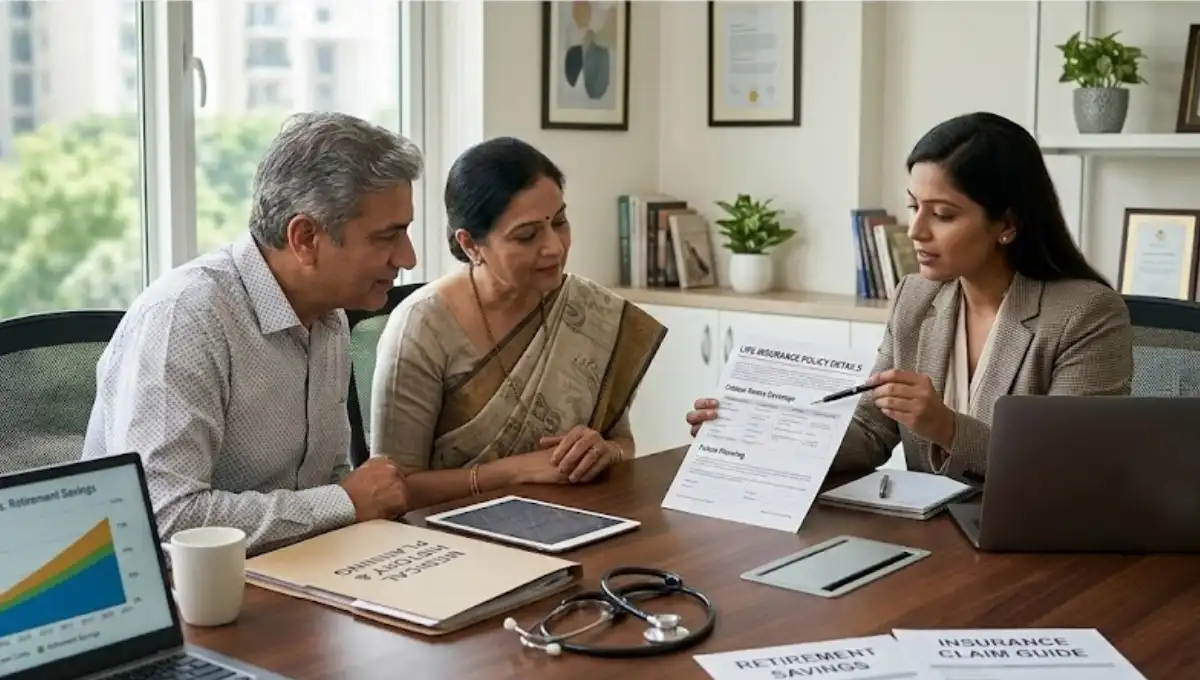

The best treatment plans in the modern era of the changing and highly complicated healthcare are not created solely based on the medical skill but also on the financial readiness. The availability of good healthcare is among the most critical long-term wellbeing pillars, regardless of whether one is:
- Managing a chronic condition
- Planning elective treatment
- Seeking specialist care abroad
Medical decisions are often influenced by one unavoidable, practical factor: financial readiness.
Life insurance is not typically discussed in the same breath as doctor consultations or treatment options. Yet it plays a meaningful role in comprehensive health planning, particularly for individuals and families navigating complex healthcare journeys.
The Overlap Between Financial Planning and Medical Care
The contemporary healthcare is globalizing. Most of these patients go abroad in search of the best procedures, specialised skills or affordable care. An example is India which has emerged as a prime destination of medical care, which provides:
- Internationally accredited hospitals
- Experienced specialists
Advanced technology across:
- Cardiology
- Oncology
- Orthopaedics
- Fertility
When individuals explore treatment options, whether locally or abroad, they often think about:
- Hospital quality and accreditation
- Specialist expertise
- Recovery time
- Total cost of care
What is not always noted is the impact of such a broader financial planning on long-term stability, particularly where treatment is associated with a lot of risk, or a long time before healing.
That broader safety program includes life insurance. It does not act as a substitute to health insurance and does not limit its use to regular treatment expenses, but in the event of an unforeseen, catastrophic outcome, it is a means of making sure that dependents are not left without financially.
Serious Illness and Financial Vulnerability
A major medical diagnosis can disrupt:
- Income
- Savings
- Long-term financial plans
Even in cases where treatment is successful, the period surrounding illness can involve:
- Time away from work
- Travel and accommodation costs
- Ongoing rehabilitation
- Family caregiving adjustments
For patients travelling internationally for care, additional planning is often required. Flights, visas, accommodation for accompanying family members, and post-treatment follow-up all contribute to the overall picture and financial burden.
Life insurance provides a foundational layer of protection. In the most difficult scenarios, it prevents medical events from becoming financial crises for surviving family members. This reassurance can significantly reduce stress during already challenging times for individuals with:
- Dependents
- Business obligations
- Outstanding loans
The Emotional Dimension of Health Planning
Health decisions are rarely purely clinical. Emotional well-being plays a significant role in:
- Recovery
- Resilience
- Quality of life
Studies consistently show that financial uncertainty increases stress, and, when it becomes chronic, can negatively impact:
- Immune function
- Sleep quality
- Cardiovascular health
- Mental resilience
When patients feel financially secure, they are better positioned to focus on treatment and recovery rather than worst-case scenarios.
For families supporting a loved one undergoing treatment, whether in India or elsewhere, knowing that long-term financial stability is protected allows attention to remain where it belongs, on:
- Care
- Healing
- Informed decision-making
Planning While Healthy
Similar to the preventive health check-ups, life insurance works best when taken at a tender age. Younger and healthier people tend to have lower premiums, and by covering them earlier in case they have any serious diagnosis, they will be able to eliminate the possibility of complications in the future.
Financial planning must have a layered approach to develop resiliency to those seeking international healthcare options. Ideally, one that includes:
- Health insurance review
- Emergency medical travel coverage
- Savings allocation for treatment
- Appropriate life insurance protection
A Holistic View of Patient Care
Modern healthcare increasingly recognises that patient wellbeing extends beyond the hospital walls to include:
- Mental stability
- Family security
- Long-term planning
Whereas physicians are concerned with diagnosis and treatment, the patients and families need to look at continuity, the recovery process, and how to guard the family members in case the outcomes are not clear.
Life insurance could not replace good medical treatment; it could be extended to correspond with the latter. In doing the most optimal treatment, be it at their home country, or the developed medical facilities in India, it has provided the families with an act that alleviates them the unnecessary financial burden. Life insurance is in that regard a subset of an overall philosophy of preparedness.
You must be logged in to post a comment.