
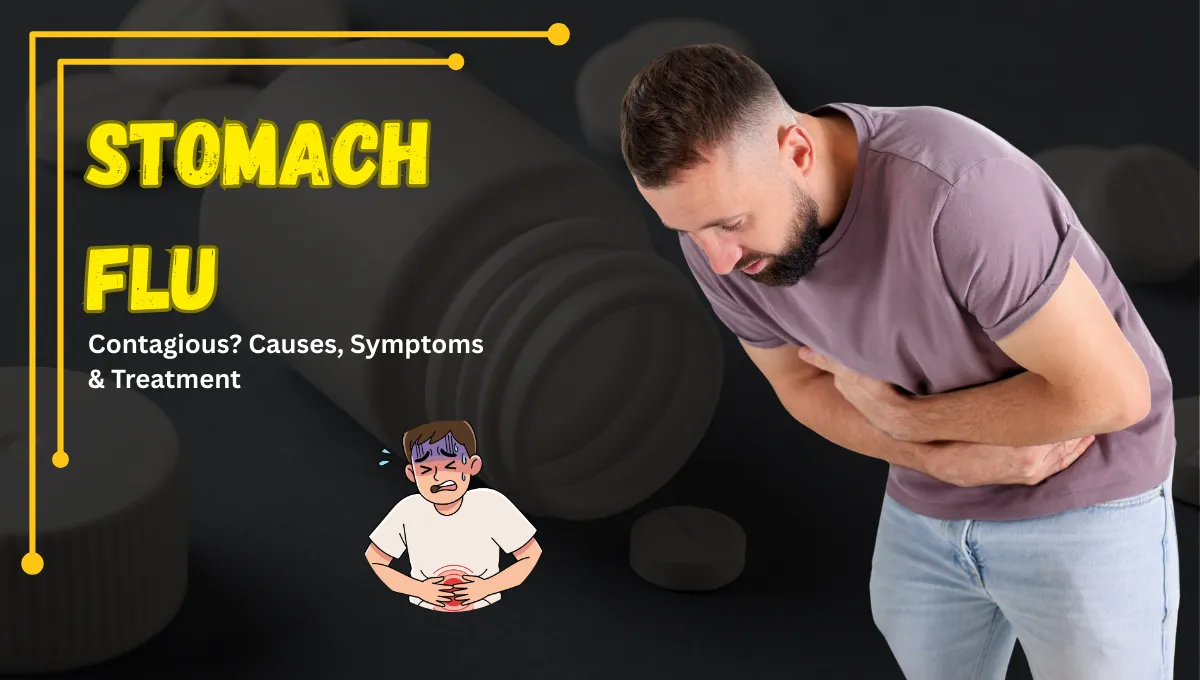

Yes, this illness can easily spread from one person to another through contact, shared items, or contaminated food and water, but understanding how and when it’s contagious helps you stay safe. Symptoms often appear suddenly, including nausea, vomiting, and diarrhea, leaving you weak or dehydrated. Most people recover at home in a few days, but complications can be more serious for children, older adults, and those with weakened immunity. Knowing what to watch for ensures you take the right steps for recovery.
If symptoms worsen or you can’t keep fluids down, seek medical help. Visit an emergency room in Pearland for prompt evaluation and care.
Table of Contents
What Is Stomach Flu?
Stomach flu, or viral gastroenteritis, is an infection of the stomach and intestines caused by viruses, not the influenza virus. It triggers nausea, vomiting, diarrhea, and sometimes mild fever. The term “stomach flu” is common but not technically accurate. People of all ages can get it, and most recover with supportive care at home.
What Are The Symptoms Of Stomach Flu?
- Watery diarrhea that may occur multiple times a day.
- Nausea and vomiting.
- Abdominal cramps and discomfort.
- Low‑grade fever and chills.
- Headache, muscle aches, or fatigue.
Contact Texas emergency care if symptoms are severe, you cannot keep fluids down, or signs of dehydration appear.
What Causes Stomach Flu?
Transmission takes place when the intestinal walls with viruses cause inflammation and digestive distress. This is an immune reaction that results in diarrhea, vomiting, and stomach upsets. Causes Include:
- Norovirus Infection: So highly contagious, and spreads in the crowded environment and it lasts long on surfaces.
- Rotavirus: This is one that usually affects young children and infants, resulting in severe cases of dehydration.
- Adenovirus & Others: Can attack gut, where gross contamination takes place e.g. in childcare.
How Is Stomach Flu Spread?
Stool or vomit pathogen viruses have the potential to enter the mouth of another individual or get on contaminated objects. To avoid spread, it is necessary to wash hands and examine the surfaces. Modes Of Spread:
- Direct Person‑to‑Person Contact: Washing hands is required to be able to transfer the virus itself to the person being taken care of or touched.
- Contaminated Surfaces: Soiled Surfaces Doorknobs, countertops, and bathroom fixtures may be contaminated with the virus.
- Contaminated Food or Water: Contaminated food can be caused by a sick individual or water exposed to an infected individual.
- Close Community Settings: Daycare, Nursing homes, and shared bathrooms: Close contact area is dangerous because there is a lot of contact with these environments.
How Long Does Stomach Flu Last?
The symptoms generally last between a day and three days although it can last longer in some cases up to a week. Individuals are infectious during symptomatic and some time before that. Rest and hydration aids the body to recover and rejuvenate the immune system.
What To Eat If You Have Stomach Flu
Light foods that are easy to digest contribute to recovery. Small portions and emphasis on mild foods decrease nausea and ensure that you remain energetic. Recommended foods:
- Broth And Clear Soups: Consists of giving fluids and electrolytes without causing irritability to the stomach.
- Bland Foods: Toast, Rice, Bananas, and cheese: Crackers are readily adequated, along with rice and toast.
- Electrolyte Drinks: Either replaces oral lost minerals such as diarrhea and vomiting.
- Soft Fruits: Soft fruits are nutrient-dense like Applesauce.
How To Treat Stomach Flu
The aim of treatment is to relieve the symptoms and avoid cases of dehydration as your immune system combats the infection. There is no response to antibiotics and a majority of the cases are resolved with supportive care. Treatment based on the effect comprises:
- Hydration With Fluids: Oral rehydration solution, water, or broths are used to substitute the electrolytes and fluids which were lost.
- Rest: Supports immune function and recovery.
- Over‑The-Counter Medicines (Adults): Doctors prescribe such drugs as loperamide or bismuth subsalicylate to aid in diarrhea; it should not be used by children unless prescribed by a doctor.
- Medical Care For Severe Cases: IV fluids or anti-vomits drugs may be necessary in the case of dehydration or excessive vomiting.
When To Seek Medical Help
The identification of complications or a bad disease guarantees immediate treatment. The cases are resolved at home most of the time, yet some of them should involve the medical care to avoid cases of dehydration and other severe consequences. Seek Help If You Notice:
- Severe Dehydration: The discretion, no urination, dizziness, dry mouth or sunken eyes.
- Persistent Vomiting Or Diarrhea: The persistent Steven can take many days and can maintain fluids down.
- High Fever Or Bloody Stool: May be a sign of an underlying infection of greater severity.
- Weakness Or Confusion: Not feeling very good: Body requires the help of a professional.
- Vulnerable Individuals: Infants, the elderly, pregnant individuals, and persons with a weak immunity ought to seek medical attention as early as possible.
Key Takeaways
- Stomach flu is a viral disease that is characterized by nausea, vomiting, diarrhea, and abdominal cramps.
- It is easily transmitted by means of contact, contaminated water or food, and common surfaces.
- The majority of them take between 1 and 3 days and they are treated by hydrating, taking rest and relieving the symptoms.
- Soft food such as broth, toast, rice, bananas and soft fruits are also helpful in recovery because they are gentle and easy-to-digest.
- Severe dehydration, persisting vomiting, high fever or susceptible people are cases that require medical attention.
You must be logged in to post a comment.