


Most of us spend a lot of time looking at screens than we’d like to admit, phones during breakfast, laptops at work, scrolling at night when we should probably be sleeping. And somewhere between emails and endless reels, our eyes start screaming for help.
Maybe they burn a little. Maybe words blur for a second when you look away. Some people notice headaches creeping in by evening. It’s common, so common that many ignore it. But that tired, heavy feeling in your eyes has a name and that is called digital eye strain.
According to specialists at a trusted Eye Hospital in Indore, long hours of screen exposure are now one of the most common reasons people experience daily eye fatigue.
But the good news is it can be managed. The even better news? Small changes make a huge difference.
Table of Contents
What Exactly Is Digital Eye Strain?
Digital eye strain, also called computer vision syndrome, happens when your eyes work harder than normal while looking at digital screens for long periods.
Reading from a screen sounds simple, right? But screens are not like paper. Text on a screen is made of tiny pixels that constantly shift and flicker. Your eyes adjust focus again and again, almost like a camera trying to sharpen a moving picture.
Think of it like driving in heavy traffic. You’re still moving forward, but your attention is constantly adjusting. That repeated effort drains you and you feel tired badly.
Here’s the interesting fact: most people think their eyes are getting weaker. But in reality, they’re just exhausted.
The Symptoms You Might Be Ignoring
Digital eye strain rarely arrives suddenly. It comes in quietly.
You may notice:
- Dry or watery eyes
- Blurred or double vision
- Burning or itching sensation
- Headaches in the evening
- Sensitivity to light
- Neck or shoulder pain (yes, that counts too)
Funny thing, people sometimes blame their glasses or room lighting when the real issue is simply prolonged screen focus.
These symptoms don’t always appear immediately. In reality, they sometimes show up hours later, when you’ve already shut down your laptop and wonder why your eyes feel “off.”
What Actually Causes Digital Eye Strain?
Digital screen time gets all the blame, but the reality is more layered.
1. You Blink Less Than You Think
When we focus on screens, our blink rate drops almost in half. Less blinking means less moisture, which leads to dryness and irritation. It’s like forgetting to water a plant and wondering why it’s drying.
2. Eye’s Constant Refocusing
Unlike printed text on paper, digital images aren’t perfectly sharp. Your eye muscles keep adjusting focus without you realising it. These small efforts, repeated thousands of times, turn into a headache for your eyes.
3. Glare and Poor Lighting
Bright windows behind screens, harsh office lights, or overly bright displays create visual stress. Your eyes keep fighting with these reflections and getting tired badly.
4. Your Posture and Screen Position
This is the unexpected part, your back and neck affect your eyes. When screens are too high or too close, your muscles tighten, which adds stress to overall strain.
So yes, it’s about digital screens, but it’s also about how we use them.
Is Blue Light Bad for Your Eyes?
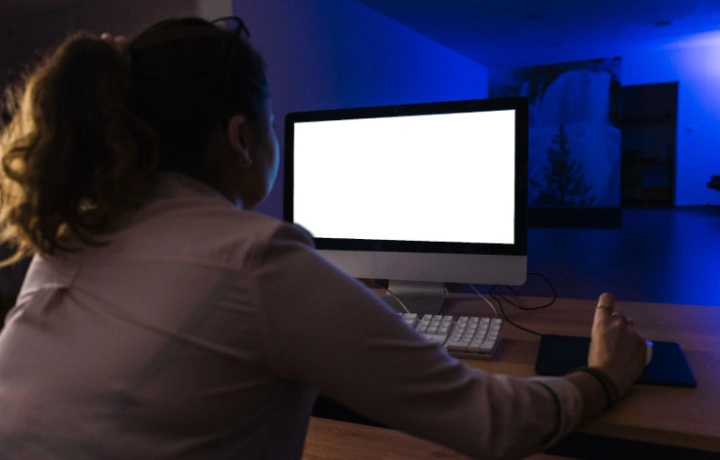
When we talk about Digital eye strain, blue light gets too much attention. But let’s clear things up.
Myth: Blue light from screens damages your eyes permanently.
Current research doesn’t strongly support this idea. Digital screens don’t emit enough blue light to cause direct eye damage in normal use. So if someone tells you your phone is quietly ruining your vision forever, that’s not true.
Reality: Blue light affects comfort and sleep.
Exposure to blue light at night before we sleep can interfere with melatonin, your body’s sleep signal. You may not notice it, but your brain does. That restless feeling after late-night scrolling? That’s not your imagination.
The honest takeaway
Blue light isn’t the main cause of digital eye strain. Poor screen habits are. Night mode, warm screen tones, or blue-light filters can help comfort, but they are not permanent solutions.
But little breaks between screen time matter more than fancy glasses.
How to Protect Your Eyes from Digital Strain
Let’s keep this practical. No complicated routines, just small good habits you can start today.
Follow the 20-20-20 Rule
Every 20 minutes, look at something 20 feet away for about 20 seconds.
It sounds small, and it is, but it resets your focusing muscles. Many office workers swear by it once they remember to do it.
Adjust Your Screen Position
Your screen should sit slightly below eye level and about an arm’s length away. Too close and your eyes work overtime.
Blink Seriously
A conscious blink refreshes your tear film. You can place a sticky note near their screen that simply says: Blink.
Fix Lighting Before Buying Gadgets
Reduce glare. Soften harsh lights. Match screen brightness with room brightness instead of using maximum brightness all day.
Increase Text Size
Squinting is a silent eye killer. Bigger fonts reduce strain immediately.
Take Real Breaks
Not scrolling breaks, real ones. Stand up, walk, look outside. Even a two-minute pause helps reset your visual system.
Ease Nighttime Screen Use
Lower brightness after sunset. Use night mode if available. Your sleep quality and your eyes will thank you.
Small Daily Habits That Quietly Help
Here’s something most don’t know: eye comfort isn’t only about screens.
Hydration helps tear production. Sleep helps eye recovery. Outdoor time relaxes focusing muscles because your eyes look at distant objects instead of nearby ones.
Even diet plays a role; leafy greens, nuts, and omega-3-rich foods support overall eye health. It’s boring advice, but it works.
When Should You See an Eye Specialist?
Digital eye strain usually improves with these habit changes. But sometimes it doesn’t.
Pay attention if you notice:
- Symptoms continue for weeks
- Headaches become frequent
- Vision stays blurry even after rest
- You feel eye pain, not just stress
Persistent discomfort can signal an uncorrected vision problem or dry eye condition. A proper eye exam can clarify things quickly and save you from months of guesswork. If your symptoms continue despite lifestyle changes, it’s wise to consult an experienced eye doctors in Indore, Dr Mahesh Garg at Nihar Netralaya Indore, who can check for underlying vision problems or dry eye conditions.
Final Thoughts
Digital eye strain isn’t a serious disease, but it’s very real and very common. Your eyes are working harder than ever, and they’re asking for just small breaks, and small habit changes.
Remember:
- Screens aren’t the enemy; habits are
- Blue light isn’t as scary as people say
- Blinking, breaks, and a better setup go a long way
Your eyes are resilient. Give them a little breathing space, and they usually bounce back.
And honestly? Sometimes the best eye care tip is just looking away for a moment and letting your eyes rest because they’re doing more for you than you realize.
You must be logged in to post a comment.