
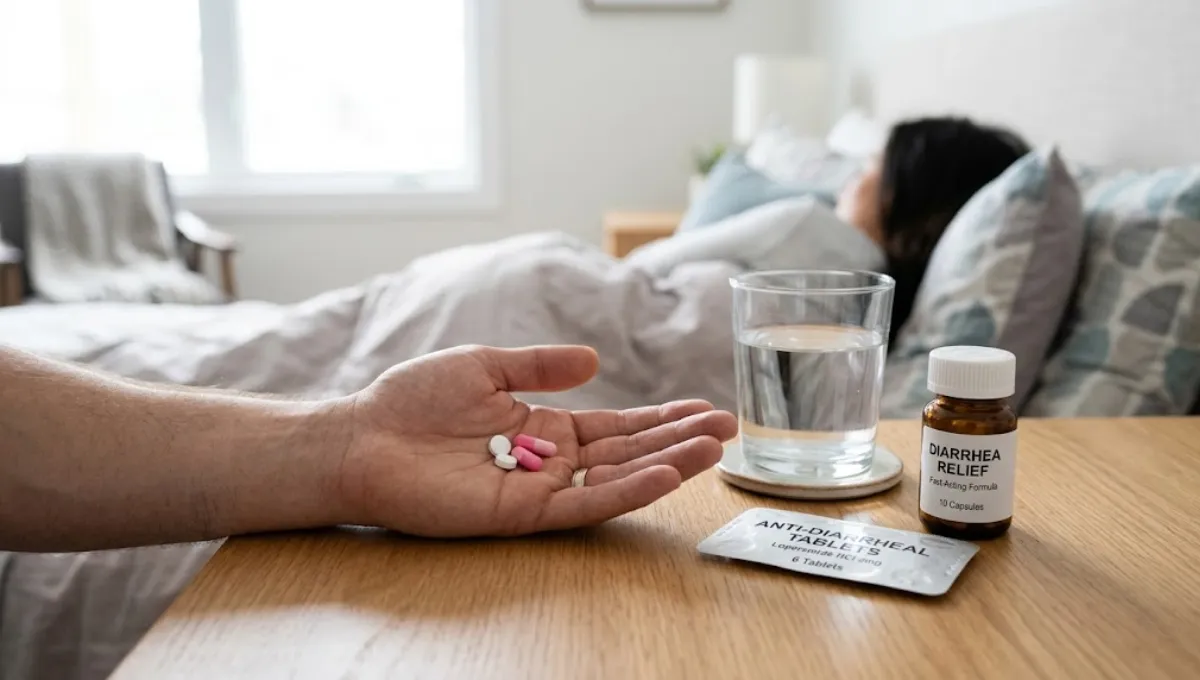

Diarrhea occurs when your bowel is loose and watery, and you may need to go to the bathroom frequently. It happens when your digestive system causes food to go through the tract too fast, and thus, it fails to absorb adequate water in the bowel. The majority of the cases take 1-2 days and are caused by viruses, bacteria, food poisoning, or by the side effects of medications. Although it is not a pleasant experience, it is usually not serious if you stay hydrated.
Table of Contents
Common Causes of Diarrhea
Diarrhea can occur due to several reasons. The most common causes include viral infections (like norovirus), bacterial infections (E. coli, Salmonella), food poisoning, contaminated water, and side effects of medications such as antibiotics. Stress and food intolerance (like lactose intolerance) can also trigger loose motions.
Symptoms of Diarrhea
Common symptoms include frequent loose stools, abdominal cramps, bloating, nausea, and dehydration. In severe cases, symptoms may include fever, blood in stool, and weakness.
Best Medicines for Diarrhea
Diarrhea can be treated quickly using medicines like ORS, loperamide, and probiotics. ORS prevents dehydration, while loperamide reduces stool frequency. The best treatment depends on the cause, such as viral, bacterial, or food-related diarrhea. Most cases improve within 1–2 days with proper hydration and care.
| Medicine | Type | Works For | Speed | Safe For |
| ORS | Rehydration | All types | Immediate | Everyone |
| Loperamide (Imodium) | Anti-diarrheal | Viral, traveler’s | 1-2 hours | Adults, kids >6 |
| Bismuth Subsalicylate (Pepto-Bismol) | Coating agent | Mild upset stomach | 30-60 min | Adults, kids >12 |
| Racecadotril | Anti-secretory | Acute diarrhea | 1-3 hours | Adults, children |
| Ciprofloxacin | Antibiotic | Bacterial | 24-48 hours | Adults only |
| Probiotics | Gut restoration | All types | 1-2 days | Everyone |
Best Medicine for Loose Motion in India
In India, commonly used medicines for loose motion include ORS packets, loperamide (Imodium), racecadotril, and probiotics like Enterogermina. These medicines are easily available at pharmacies and provide quick relief. However, antibiotics should only be taken when prescribed by a doctor.
Best Medicine for Diarrhea Based on Cause
For Viral Diarrhea
Most short-term diarrhea is caused by viral infections, such as norovirus or rotavirus. There is no antibiotic medication in this scenario- hydrate. ORS helps prevent dehydration while your body fights the virus naturally. Loperamide can be used if there is no fever or blood in the stool. Probiotics such as Saccharomyces boulardii reduce the time by a day.
For Bacterial Infection
Specific antibiotics are required against bacteria such as Salmonella, E. coli, or Campylobacter. Many cases are treated with ciprofloxacin (500mg twice a day over a period of 3 days). Another alternative to resistant strains is Azithromycin. Do not use antibiotics unnecessarily, as they may worsen the infection. A prescription is issued after confirmation of infection through stool tests by doctors.
For Food Poisoning
Clostridium or Staphylococcus perfringens causes a fast-onset diarrhea. The Bismuth subsalicylate kills certain bacteria and coats the stomach. ORS remains essential. Unless severe, symptoms usually clear within 24 hours even without antibiotics. Loperamide is used to manage non-bloody cases beyond the first day.
For Traveler Diarrhea
Transmitted through contaminated water/food that is common in developing countries. Rifaximin (200mg thrice a day for 3 days) both prevents and treats. Loperamide is used to relieve symptoms immediately, together with antibiotics. Early intervention of the first occurrence- prophylaxis includes safe food and Pepto-Bismol.
Over-the-Counter (OTC) Medicines for Diarrhea
Loperamide (Imodium)
Loperamide decreases the intensity of gut contractions and slows the stool frequency. Adults commence 4mg following initial loose stool, followed by 2mg episode (max 16mg/day). Viral or dietary diarrhea works in 1-2 hours. Contraindicated in case of fever, blood, severe pain, etc., may aggravate infection. Harmless to both children and adults aged 6 years and above.
Bismuth Subsalicylate (Pepto-Bismol)
It coats the stomach lining and helps reduce bacteria. Intake: Take 524 mg (2 pills or 30ml) after every half to one hour, not exceeding 8 doses each day. Good in cases of mild diarrhea and nausea. Stool/tongue turns black momentarily. Should be avoided in children below the age of 12 or those having an allergy to aspirin.
ORS (Oral Rehydration Solution)
Sodium, potassium, and glucose that are lost in the stool are replaced by packets mixed with 1 liter of water. Take 200-400ml following every loose stool. Necessary in all types of diarrhea- prevents hospitalization. Homemade one: 6 tsp of sugar and 1/2 tsp of salt in 1 liter of pure water.
Prescription Medicines for Diarrhea
Antibiotics
Bacterial causes are targeted by ciprofloxacin, azithromycin, or rifaximin. Physicians prescribe the following infection after the stool culture. Duration typically 3-5 days. Antibiotics should not be used for viral diarrhea, as they do not work and can harm good gut bacteria. Shigella, cholera, and C. difficile are most responsive.
Antiparasitic Medicines
Entamoeba or Giardia is treated with metronidazole (500mg three times a day and a course of 5-10 days). Nitazoxanide has activity against Cryptosporidium. Used when parasites are confirmed through stool tests. In developing countries, common as a result of unclean water.
Probiotics
Gut flora is restored in Saccharomyces boulardii or Lactobacillus rhamnosus GG. Take 1-2 capsules daily for 5-7 days. Reduces diarrhea related to antibiotics. Safe and other treatments. Popular brands are Florastor and Culturelle.
Best Tablet for Diarrhea Without Prescription
Common over-the-counter tablets for diarrhea include loperamide (Imodium) and bismuth subsalicylate (Pepto-Bismol). These help reduce stool frequency and control symptoms quickly. However, they should not be used if there is fever or blood in the stool.
Best Medicine for Diarrhea in Adults vs Children
Adults
Loperamide + ORS combination is quickest in watery diarrhea. Bismuth subsalicylate may not be suitable for some stomach conditions and should be used with medical advice. Antibiotics should only be used when a bacterial infection is confirmed. Probiotics avoid recurrence. Large-scale body size provides maximum flexibility.
Children
Begin with Pedialyte or WHO ORS packets to prevent dehydration. Racecadotril is safer than loperamide in children younger than 12 years. Probiotics reduce severity. Do not use anti-diarrheals with bloody bowels. Unless lab-confirmed, antibiotics are hardly ever used. Breastfeed infants now and then.
How Long Does Diarrhea Last?
Most cases of acute diarrhea last between 1 and 3 days and improve with proper hydration and care. Viral diarrhea usually resolves on its own, while bacterial infections may take slightly longer. If diarrhea continues for more than 2 days in adults or 24 hours in children, medical attention is recommended.
Fastest Way to Stop Diarrhea (Step-by-Step Guide)
Step 1: Hydration
Take small sips of ORS or electrolyte drinks immediately
Aim: To replace 10 ml/kg of body weight for each loose stool. Smaller, frequent doses help reduce nausea. Coconut water or broths are acceptable.
Step 2: Take medicine
Loperamide (adults) or racecadotril can help, but should not be used if an infection is suspected. Subsalicylate bismuth in case of nausea. Probiotics same day.
Step 3: Follow the diet
Start the BRAT diet (bananas, rice, applesauce, toast) after 6 hours if symptoms improve. You can also include boiled potatoes and crackers. Avoid dairy, fatty foods, and sugary foods in the first 24 hours.
Step 4: Rest
Stay near the bathroom. Sleep elevates recovery. Until normal stool comes about, avoid work/school.
Home Remedies vs Medicines (What Works Better?)
Home remedies complement but never substitute medicines. Ginger tea lowers nausea; chamomile eliminates cramps. The BRAT diet helps firm up stools naturally. Apple cider vinegar does not have much evidence. ORS is better than herbal teas for dehydration. Drugs have a quicker action (hours compared to days), and remedies prevent relapse. Take one: loperamide + ginger.
What to Eat During Diarrhea
The BRAT diet (Bananas, Rice, Applesauce, Toast) helps in bulking stools with soluble fibers. Potassium is substituted with bananas; rice absorbs water. Boiled potatoes, plain crackers, and chicken broth, after 24 hours. Once tolerated probiotic yogurt.
Liquids: ORS, water, herbal teas, clear soups. Reduced-calorie Gatorade is fine with children above age 1.
Avoid food: Dairy, fried/greasy, raw vegetables, fruit juices (with the exception of applesauce), caffeine, alcohol, spicy foods. These worsen fluid loss.
Side Effects of Diarrhea Medicines
Loperamide: Drowsiness, constipation when overdosed. Uncommon heart rhythm complications with large doses.
Bismuth: Stool/tongue black, constipation, tinnitus.
Antibiotics: nausea, yeast infection, risk of C. difficile.
Racecadotril: Rash (rare), headache.
Probiotics: Mild gas first.
Is Diarrhea Dangerous?
Diarrhea is usually not dangerous, but it can become serious if it leads to dehydration. This is especially risky for infants, elderly people, and those with weak immunity. Signs like dry mouth, dizziness, and low urine output indicate dehydration and require immediate care.
What NOT to Take for Diarrhea
Anti-diarrheals should not be used in cases of fever, bloody diarrhea, severe pain, or serious infection. Diphenoxylate/atropine combinations may cause more side effects and are generally not recommended. Forget apple juice, full-sport drinks, soft drinks- high sugar draws water into the gut. Avoid kaolin/pectin, as there is weak evidence supporting its effectiveness. Do not use antibiotics without medical verification.
When Not to Take Diarrhea Medicine
Avoid anti-diarrheal medicines if you have high fever, bloody stools, or severe abdominal pain. These symptoms may indicate a serious infection that requires medical treatment instead of symptom control.
When to See a Doctor
Get medical treatment when: the diarrhea takes more than 2 days (adults) or more than 24 hours (kids); the diarrhea contains more than 6 loose stools per day; contains blood/mucus; has a fever, above 101°F; has severe cramps; signs of dehydration, including dry mouth, no urine in 8 hours, feeling dizzy; younger than 6 months or older than 65. Urgent in case of infants, the elderly, or immunocompromised.
References
- WHO (World Health Organization) – Diarrheal Disease
- CDC – Diarrhea Treatment Guidelines
Conclusion
ORS + loperamide is the quickest treatment for diarrhea. Treatment to cause viral (supportive), bacterial (antibiotics). Hydrate first, eat BRAT, rest. Children require more friendly choices, such as racecadotril. See a doctor for red flags. The majority of the cases end within 48 hours when well taken care of.
Disclaimer
This article is for informational purposes only and does not replace professional medical advice. Always consult a doctor before taking any medication, especially for children, pregnant women, or severe symptoms.
Frequently Asked Questions (FAQs)
Ans. Loperamide (Imodium) acts in 1-2 hrs and slows down the movement of the gut. The initial dose is 4mg, then 2mg following each loose stool (16mg/day in adults). Do not forget hydration; always use ORS.
Ans. ORS is essential, but it does not stop diarrhea. It substitutes the lost fluids/electrolytes, and loperamide/ bismuth subsalicylate manages symptoms. WHO recommends the use of ORS in all cases.
Ans. Best and safest with kids are racecadotril or probiotics (Enterogermina). ORS first. Do not use loperamide below the age of 6 years. Pedialyte is effective in the case of hydration.
Ans. No, unless proven to be infected with bacteria. Only by prescription following the stool test, Ciprofloxacin or azithromycin. The majority of diarrhea is viral- antibiotics aggravate it killing good bacteria.
Ans. Imodium is faster as a sole treatment of diarrhea. Pepto-Bismol improved in case of nausea/upset stomach. Both are safe for adults. Pepto momentarily changes the stool to black.
Ans. Adults: 200-400ml following every loose stool. Children: 50-100ml/kg body weight per day. Mix the packet with 1L of clean water. Sip slowly to avoid vomiting.
Ans. Do not take in the presence of fever, bloody stools, or acute pain, as this may exclude infection. Stop without improving in 48 hours. Get a doctor to check these red flags.
Ans. Drinking ORS, eating a light diet like bananas and rice, and staying hydrated can help control diarrhea quickly
Ans. No, dairy products should be avoided as they can worsen diarrhea in many cases.
Ans. Saccharomyces boulardii and Lactobacillus GG are among the most effective probiotics for reducing diarrhea duration.
Ans. Yes, stress and anxiety can affect gut function and lead to loose motions.
You must be logged in to post a comment.