
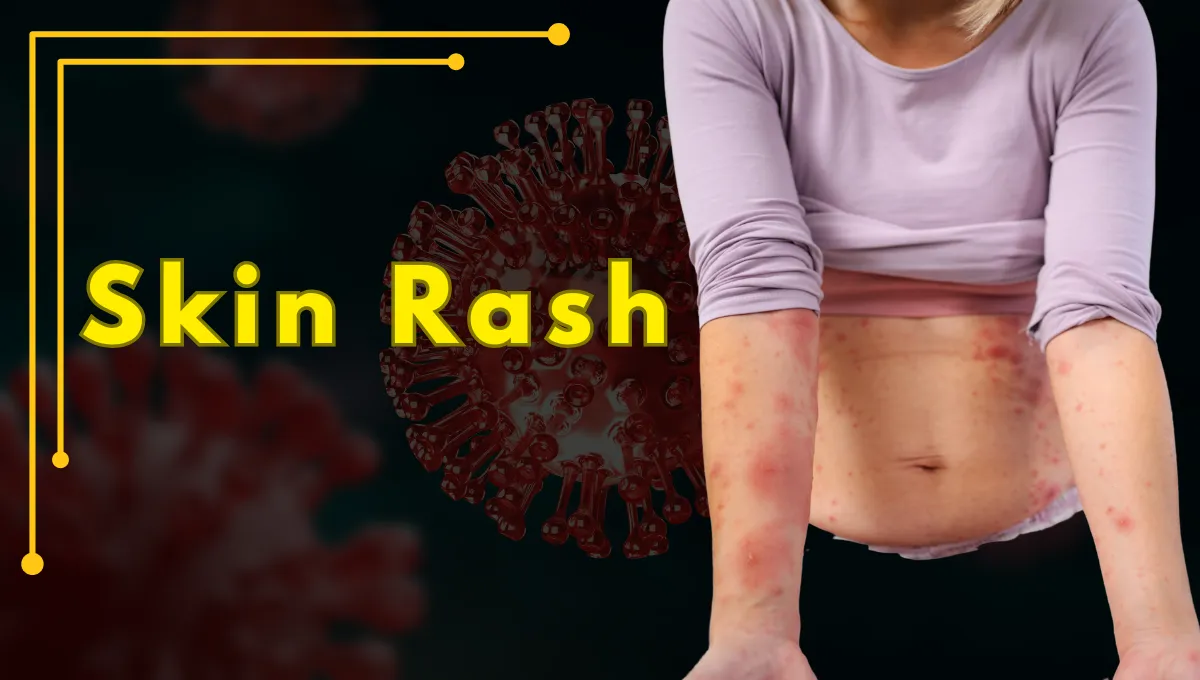

Have you ever noticed a red spot on your skin that is acute and painful? You are not alone. Almost any person will get a skin rash at some time in their life. It can manifest itself quite unexpectedly and lead to a lot of inconvenience. A rash can present as a tiny, inflamed pimple or a large part of exfoliating skin, thus making it a stressful experience to handle. This complete guide will help you to know everything about this widespread condition.
The causes of skin rash, symptoms to look for, and the best way of treatment will be discussed. After reading this article, you will understand how to protect your body and how to keep it healthy at the end of the article. Now, let us see how to put your skin right again.
Table of Contents
What is a Skin Rash?
A skin rash is an obvious change in the color and feel of the outermost layer of the epidermis. In the case of rash, the skin can be erythematous, edematous, or indurated. The area can also be xerotic, desquamating, or pruritic. Some of them can be warm or even painful to touch. These symptoms may be localised at one location or may spread throughout the body. Rash is a reaction that the body forms towards a stimulus that it does not like, and this may be a pathogen, an allergen, or too much heat. One should keep in mind that it is not a disease in itself. Instead, a skin rash acts as a signal that there is a factor in the internal or external environment. Identification of the appearance is the initial step towards the cognitive approach to the underlying problem.
Common Types of Rash
- Contact Dermatitis: This is a disease that develops when the skin is exposed to an irritant. It can be brought about by a new soap, a strong cleaning chemical, or a poisonous plant. A point of contact will appear erythematous at the point of contact and inflamed.
- Eczema: It is a condition that causes scaly, erythematous, and highly itchy skin. It is usually present in the hands, feet, and the flexural regions of the limbs.
- Hives: Hives are a skin rash that are erythematous and raised papules that suddenly appear. They tend to be provoked by an allergic reaction to some food, a medicine, or a bite from an insect. Hives are movable, vary in shape, and are strongly pruritic.
- Psoriasis: This is a long-term or recurrent illness that is typified by a rapid multiplication of epidermal cells. It generates thick and silvery scales and erythematous plaques, which occur most commonly along the knees, the elbows, and the head.
- Heat Rash: The failure to produce sweat through obstructed glands will result in a group of tiny erythematous papules or vesicles and create a prickly feeling.
- Fungal Infections: Fungi have a high chance of growth in warm and damp places like the feet or the groin. Ringworm is a widespread fungal rash that is presented as a pruritic reddish annular lesion.
- Viral Infections: There is a variety of viruses, including varicella or measles, which cause erythematous cutaneous eruptions that are easy to notice and spread.
Recognizing the Symptoms
What is the way to determine whether one has a skin rash? Depending on the etiology, the manifestations can vary, but there are some warning signs that are similar. It can be noticed that there are erythematous patches or a diffuse pink color over the integument. The condition of the affected area, be it pruritic, may be so intense that scratching is out of control. The skin can also get desquamated, flake, or become considerably rough. As well, small fluid-filled vesicles or solid papules can be found. In more severe instances, the lesion can be hot or even give a burning feeling. In case a secondary infection has occurred, yellowish pustules or local edema may be evidenced. One should be able to observe these changes so as to identify the proper therapeutic process.
What Causes the Problem?
One might question oneself as to the reason why such conditions occur in the first place. An acute skin rash may be precipitated by a number of factors.
- Allergic Reactions: The body can react negatively to any substance in the air, e.g., dust, pet dander, pollen, or to any substance that is orally consumed, e.g., some foods.
- Harsh Irritants: Harsh irritants are products that people interact with on a daily basis (such as strong detergents, scented lotions, and even coarse fabrics).
- Weather Changes: Both cold and hot weather may lead to compromise in the integrity of the skin. Too much heat encourages sweating and blockage of the pores; at low temperatures, cold air may dry up the integument, with the result of cracking and erythema.
- Infections: These are most likely to be microbes (bacterial), viral, and fungal. Examples of conditional causes of a skin rash include streptococcal pharyngitis or dermatophytic infections.
- Drugs: some medicines, such as new drugs and antibiotics, can cause skin-related reactions, e.g., erythema.
- Bug Bites: Insect bites or stings (by a mosquito, tick, or flea) present minute amounts of venom that tend to create pruritic, erythematous lesions.
Effective Treatments for Relief
The first thing that needs to be found is relief from a rash. The treatment model is based on the causative factor. Among the most effective methods, the following can be named:
- Home Remedies: In mild cases, a cool bath may be of great value. Adding plain oatmeal to the water is useful in the treatment of a skin rash, like pruritus. Furthermore, the use of cold compresses decreases oedema and heat.
- Moisturizers: It is important that the skin is kept properly hydrated. Hydrous thick fragrance-free emollients are found to promote the healing of the xerotic and fissured regions.
- Over-the-counter Creams: Anti-itch lotion is able to stop burning and redness quickly. Calamine solutions are helpful in drying vesicles and also in treating the pain of insect bites.
- Oral Medicines: In case of the allergy etiology, antihistamine pills are capable of counteracting the reaction on a systemic level.
- Prescription Drugs: In severe cases of dermatologic manifestation, a doctor can prescribe strong topical corticosteroids, antimicrobials to treat secondary bacterial infection, or systemic agents to regulate immune response.
Tips for Prevention
It is always good to prevent the occurrence of a problem before it occurs. It is possible to minimize the risk of getting a skin rash with the help of several easy steps. To begin with, do not use substances you are allergic to. In case of irritation to a certain soap, dump it. Usually use weak cleansers and lotions without scent. When you are outside, cover your arms against the sun and the insects with long sleeves and proper protection. Always wash your hands after handling animals, plants, or other objects.
Avoid sharing such personal things as towels or clothing with other people. Always keep your body cool and wear loose cotton clothes when it is hot outside so you do not experience the buildup of sweat. Lastly, you will be strong and well hydrated with a healthy diet, and your skin will maintain its integrity.
When to See a Doctor
The majority of skin rash clears either spontaneously or with little home treatment. Nevertheless, sometimes it is required to refer to a medical specialist. Emergency care should be taken in case the redness immediately diffuses around the body. This can be a sign of a severe infection, especially when it is accompanied by a high fever.
Watch out for any open sores, yellow pus, or red streaks developing out of the bumps. Severe pain, and not itching, is another cause of concern. In case you have difficulties breathing or face swelling, get emergency help immediately.
Frequently Asked Questions (FAQs)
Ans. Look for an over-the-counter hydrocortisone or antihistamine cream to effectively soothe inflammation and lock in moisture.
Ans. Basic treatment involves keeping the affected skin clean, applying cool compresses, and using barrier-repairing moisturizers.
Ans. You can apply calamine lotion, use cooling aloe vera, or take a cold oatmeal bath to quickly relieve the constant urge to scratch.
Ans. Oral antihistamines and topical corticosteroids are the most commonly recommended medications to reduce swelling and stop discomfort.
You must be logged in to post a comment.