
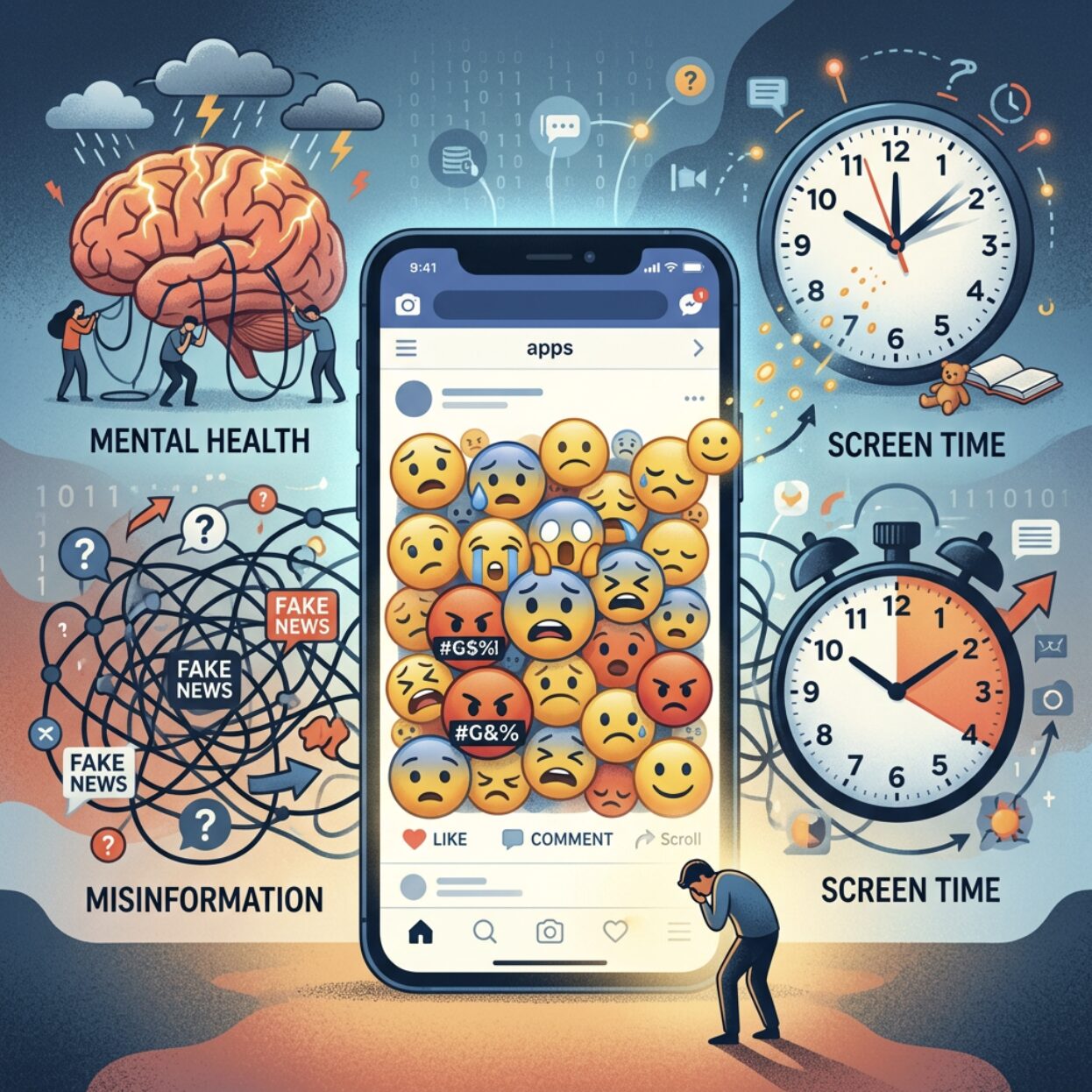

The digital doctor is ever-present in 2026. As health-oriented algorithms and AI-selected feeds gain popularity, a larger number of patients are resorting to social media to be diagnosed and get wellness tips faster. On the one hand, this democratizes access to information; on the other hand, it unleashes the floodgates of what the World Health Organization (WHO) has referred to as an infodemic. The boundary between a bona fide medical discovery and a dangerous wellness craze has never been so slim.
Your skepticism is not just about your smartphone—it is one of your strongest tools as a patient in a hyper-connected age. Understanding how online influence works is essential, especially since social platforms often reward content that is emotional, simple, or attention-grabbing over medically accurate information. This can create pressure on creators to prioritize engagement, but responsible use of platforms also matters. Even the way you push your instagram reels toward credible, evidence-based health content can help shape a healthier information space, reducing the spread of sensationalized claims and guiding audiences away from unsafe or unverified advice.
Table of Contents
Red Flag Checklist 2026: Identifying Unreliable Medical Content
Health content is not all the same. By 2026, fake news will have advanced, and it will tend to resemble the design of a professional medical journal or an expensive clinic. The following are the main red flags that must raise your cautionary bells:
- The “Miracle Cure” or Absolute Certainty: Medicine is a science of probabilities. When an inventor says that a special supplement will cure a chronic disease 100%, it is an undisputable warning sign.
- Anecdotes Over Evidence: “It worked on me!” is a great testimonial, but not medical evidence. By 2026, you will see citations of peer-reviewed studies and not just stories of personal success.
- Secret Knowledge Claims: That which purports to tell you what doctors will not tell you is the secret knowledge. Be suspicious of such content. Through openness, rightful medical advancement occurs rather than under a veil of secrets.
- Direct Sales and Unacknowledged Sponsorships: In case the individual providing the advice is also selling the solution in his bio link, then his or her objectiveness is at stake.
Bio-Hacking Trends and the Danger of Algorithmic Echo Chambers
One of the trends of 2026 will be the proliferation of bio-hacking material. Although the idea of maximizing health is noble, social media tends to reduce sophisticated biological mechanisms to a set of hacks that can prove to be harmful when used incorrectly. Influencers can promote hardcore fasting, unregulated smart drugs, or homemade hormone therapy.
The threat is the Algorithmic Echo Chamber. As more people buy into one health trend, the site feeds you more information, making it seem like everyone agrees. When ten videos in succession tell you that the fatigue will be cured by the time you drink the liver juice, you will probably believe it, though the entire medical world will go against you. This loop is also not aimed at accuracy but interaction, which is why it is important to leave your feed to confirm the claims with the help of reputable healthcare professionals.
How to Verify a Digital Doctor: Trust Indicators vs. Warning Signs
| Indicator | Green Flag (Trustworthy) | Red Flag (Unreliable) |
| Credentials | Certified MD, DO, RD/RN with searchable license. | “Health Coach,” “Wellness Guru,” or none listed. |
| Tone | Didactic, relaxed, and subtle. | Didactic, fearful, or overly aggressive. |
| Disclaimers | Pronounced: Not medical advice; consult your doctor. | No medical disclaimer or guarantee of results. |
| Sourcing | Links to .gov, .edu, or PubMed sources. | Links to an individual shop or proprietary studies. |
The Role of AI and Hallucinated Health Tips in 2026

AI-generated health content is ubiquitous as we pass through 2026. Although AI has the ability to generalize complex information, it is also likely to be affected by the phenomenon of hallucination—creating facts that sound remarkably believable. Numerous automated accounts are now relying on AI to crawl and generate content that is meant to trend.
The risk is that these bots are designed to promote maximum coverage, rather than precision. They can propose unhealthy interactions of supplements or propose natural alternatives to life-saving drugs. Never rely solely on AI-generated information; always compare the information with an already existing health portal (Mayo Clinic, the NHS, or the CDC).
The Psychological Toll of Wellness FOMO and Health Anxiety
In addition to the physical risks, an unending stream of perfection in wellness can cause an obsession with either eating only pure or perfect food or with anxiety about health. In 2026, a lot of patients complain that they are lagging behind in their health objectives due to failure to stick to the twenty morning routines recommended by influencers.
It is important to keep in mind that social media is a highlight reel. The individual who tells you about their 4:00 AM ice bath and supplement stack of $500 is performing. Actual health is usually mundane: it is good sleep, proper eating, and physical exercise, none of which will be the same as viral content.
Frequently Asked Questions (FAQ)
Q1: How can I verify if a social media doctor is licensed?
A1: By 2026, the majority of legitimate medical providers will have their hospital affiliation listed in their bio. You may also look up their name in state or national medical board registries.
Q2: Is it safe to take mental health advice from social media?
A2: Social media is excellent in lessening the stigma, though you have to visit a licensed professional to be diagnosed or treated. “TikTok therapy” tends to simplify complicated conditions such as ADHD or Bipolar Disorder.
Q3: What should I do if I see someone spreading harmful health misinformation?
A3: In 2026, the majority of platforms will have a designated reporting category for Health Misinformation. Posting the report assists the algorithm in identifying and de-prioritizing bad content.
Q4: Should I trust “Before and After” transformation photos?
A4: Generally, no. By 2026, AI editing and filters will be highly developed, so before-and-after photos can be totally manufactured to sell products without any clinical support.
Developing Health Literacy in a Digital Age
Health is the most valuable asset you have—far too important to leave entirely in the hands of an algorithm. While social media can offer strong community support and meaningful wellness inspiration, it should never replace trusted medical guidance.
At the same time, the growing effort to push your Instagram Reels toward informative, evidence-based health content can play a positive role in shaping what people see. When creators prioritize credibility over virality, they help counter the tendency of complex medical realities being reduced to 15-second soundbites. Staying informed, verifying sources, and discussing what you see online with a qualified healthcare professional are essential steps to navigating the digital health landscape without falling for misleading or potentially harmful trends.
You must be logged in to post a comment.