

Your kidneys work silently every day, filtering waste, balancing fluids, and maintaining essential body functions without drawing attention. But what happens when this vital system is affected by a condition that develops quietly and progresses over time?
Polycystic kidney disease (PKD) is a genetic disorder that can gradually reduce kidney function, often without noticeable symptoms in its early stages. Many individuals remain unaware of the condition until it begins to impact their overall health.
Developing a clear understanding of polycystic kidney disease is essential for recognising early warning signs and seeking timely medical care. This blog explains what polycystic kidney disease is, its causes, symptoms, and how it can be managed effectively.
Table of Contents
Overview of polycystic kidney disease
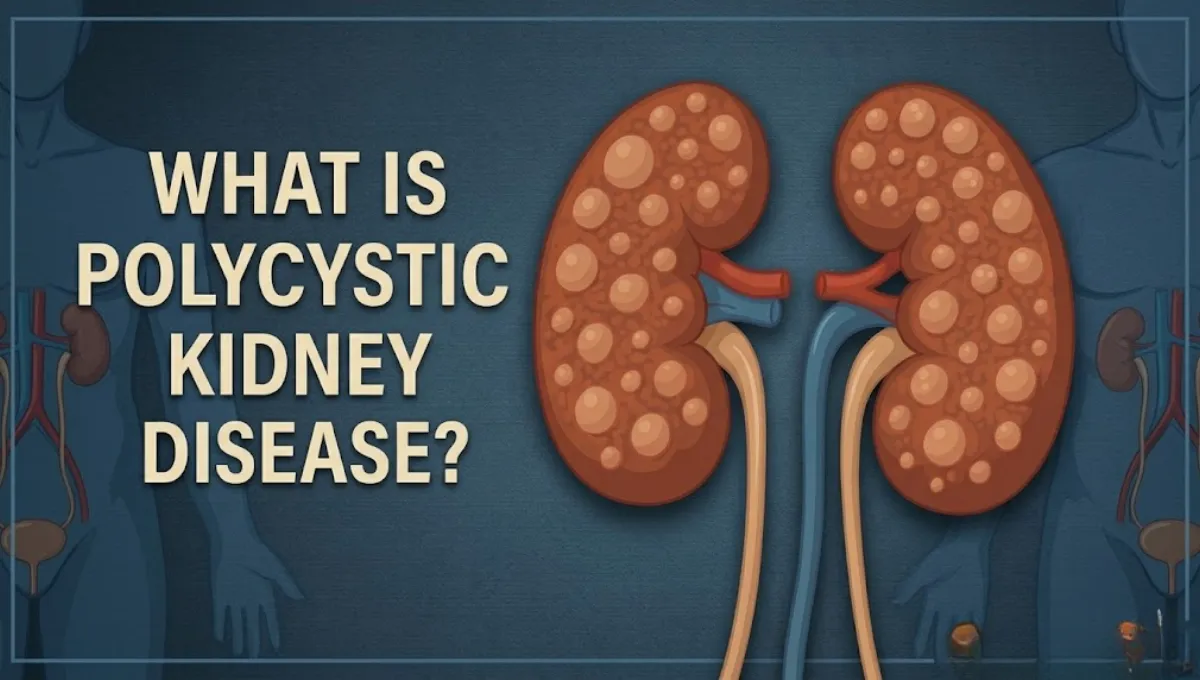
What is polycystic kidney disease? It is a hereditary condition characterised by multiple fluid-filled cysts in the kidneys. These cysts enlarge over time, causing the kidneys to enlarge and gradually lose their ability to function.
If you are wondering what PKD kidney disease is, it refers to the same condition. Unlike simple cysts, PKD cysts disrupt the normal structure and function of the kidneys and may also affect other organs, such as the liver.
There are two main types:
- Autosomal dominant PKD (ADPKD): The most common form, usually diagnosed in adulthood
- Autosomal recessive PKD (ARPKD): A rarer form that appears in infancy or early childhood
Therefore, early identification and monitoring are important for managing disease progression.
Symptoms of polycystic kidney disease
Symptoms of PKD often develop gradually. In the early stages, many individuals may not notice any signs.
Common symptoms:
- High blood pressure
- Pain in the back or sides
- Blood in urine (haematuria)
- Frequent urinary tract infections
- Kidney stones
- Abdominal swelling or fullness
Advanced symptoms:
- Fatigue and weakness
- Swelling in legs and ankles
- Reduced kidney function
- Signs of kidney failure
Symptoms may vary depending on disease severity. Therefore, recognising these changes early can help in timely intervention.
Causes of polycystic kidney disease
The primary causes of polycystic kidney disease are genetic mutations that affect kidney cell growth and function.
Common causes include:
- Mutations in PKD1 or PKD2 genes (ADPKD)
- Mutations in the PKHD1 gene (ARPKD)
- Abnormal cell growth leading to cyst formation
When discussing the causes of PKD, it is important to understand that most cases are inherited. However, rare spontaneous mutations may also occur.
Risk Factors Associated with PKD
Certain factors increase the likelihood of developing PKD or experiencing complications.
Key risk factors:
- Family history of PKD
- Genetic predisposition
- High blood pressure
- Increasing age
Moreover, individuals with a known genetic mutation are more likely to develop symptoms earlier in life.
Complications of Polycystic Kidney Disease
If left untreated, PKD can lead to several complications that affect overall health.
Possible complications:
- Chronic kidney disease
- Kidney failure requiring dialysis or transplant
- Liver cysts
- High blood pressure
- Cardiovascular complications
Additionally, complications may worsen over time without proper medical care. Therefore, regular monitoring is essential.
Diagnosis of Polycystic Kidney Disease
Accurate diagnosis is important for managing PKD effectively and preventing complications.
Diagnostic methods
- Ultrasound to detect kidney cysts
- CT or MRI scans for detailed imaging
- Blood tests to assess kidney function
- Genetic testing in selected cases
These tests help confirm the diagnosis and determine if treatment at a Renal Transplant Hospital in Pimpri-Chinchwad is required.
Treatment Options for Polycystic Kidney Disease
Although there is no complete cure, treatment focuses on controlling symptoms and slowing disease progression.
Treatment approaches
- Medications to manage blood pressure
- Pain relief strategies
- Antibiotics for infections
- Lifestyle and dietary modifications
- Advanced treatment options
- Dialysis in advanced kidney disease
- Kidney transplant for severe cases
Hence, early and consistent treatment can improve long-term outcomes.
Prevention and Management Strategies
While PKD cannot always be prevented, certain steps can help manage the condition effectively.
Key management tips:
- Maintain healthy blood pressure
- Follow a balanced, low-sodium diet
- Stay well hydrated
- Avoid smoking and excessive alcohol use
- Schedule regular medical check-ups
Additionally, genetic counselling can be helpful for individuals with a family history of PKD.
Conclusion
Polycystic kidney disease is a progressive condition that requires long-term care, even when symptoms are not immediately noticeable. Developing a strong understanding of polycystic kidney disease enables patients to recognise early warning signs and take timely action.
While many individuals ask what polycystic kidney disease is, it is equally important to focus on early diagnosis and ongoing management. Since most polycystic kidney disease causes are genetic, awareness of family history plays a critical role in reducing complications.
Although there is no complete cure, understanding what PKD is and addressing the causes of PKD can help slow disease progression and improve quality of life. If you notice symptoms or have a family history, consulting a Kidney Specialist in Pimpri Chinchwad can ensure accurate diagnosis and personalised care.
FAQs:
1. What is polycystic kidney disease?
Polycystic kidney disease is a genetic condition characterised by the formation of multiple cysts in the kidneys, which gradually impair their function over time.
2. What are the early symptoms of PKD?
Early symptoms include high blood pressure, mild back pain, and occasional blood in the urine. Some individuals may not notice symptoms initially.
3. Can polycystic kidney disease be cured?
There is no complete cure for PKD. However, treatment effectively helps manage symptoms and slow disease progression.
You must be logged in to post a comment.