
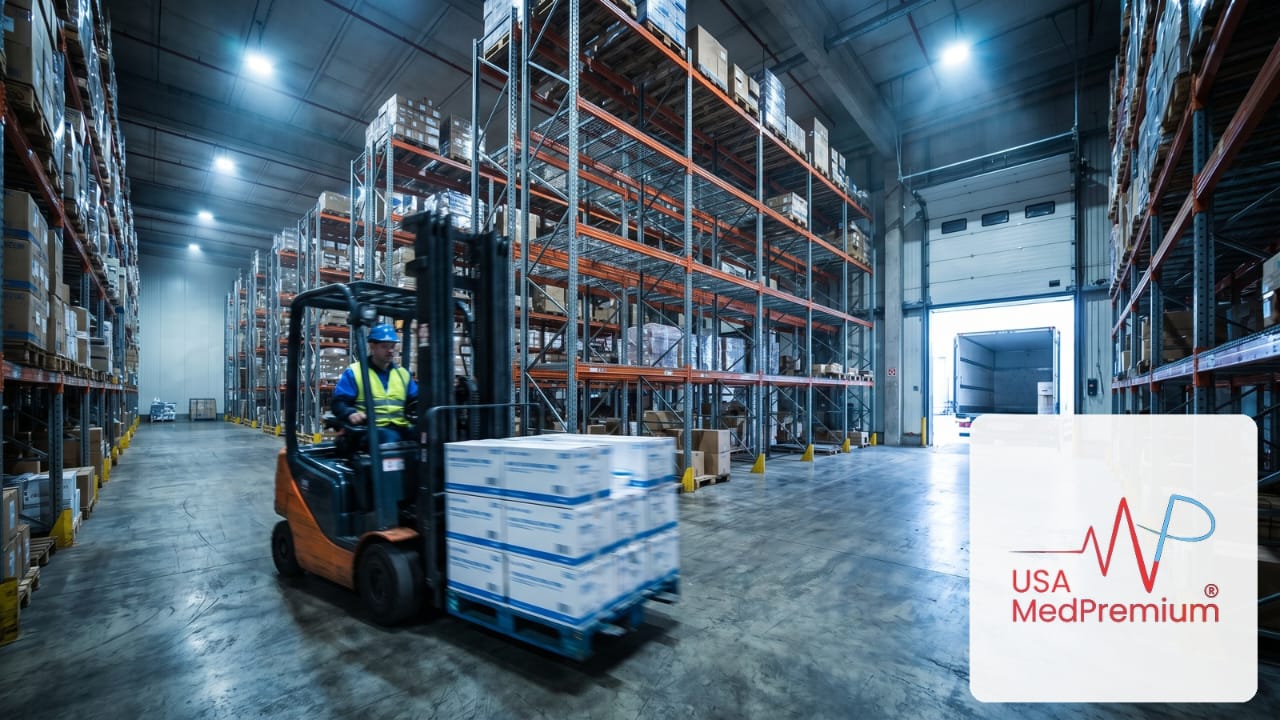

Medical equipment and supplies play a critical role in the delivery of healthcare services across the world. From basic diagnostic tools to advanced life-support machines, these resources are essential for preventing, diagnosing, monitoring, and treating medical conditions. As healthcare systems continue to evolve, the demand for reliable, innovative, and accessible medical equipment and supplies has become more important than ever.
Understanding Medical Equipment
Medical equipment refers to devices designed to aid in the diagnosis, monitoring, or treatment of patients. These range from simple instruments like thermometers and blood pressure monitors to complex machines such as MRI scanners, ventilators, and surgical robots. Each piece of equipment serves a specific function, helping healthcare professionals provide accurate and timely care.
Diagnostic equipment, such as X-ray machines and ultrasound devices, allows doctors to identify internal issues without invasive procedures. Therapeutic equipment, including infusion pumps and dialysis machines, helps manage and treat chronic illnesses. Meanwhile, life-support equipment like ventilators is crucial in critical care settings, especially during emergencies and pandemics.
The Role of Medical Supplies
Unlike equipment, medical supplies are typically disposable or single-use items that support everyday healthcare operations. These include gloves, syringes, bandages, masks, and disinfectants. Although often overlooked, medical supplies are just as vital as equipment because they ensure hygiene, safety, and efficiency in medical procedures.
For example, sterile gloves and masks protect both healthcare workers and patients from infections. Syringes and IV kits are essential for administering medications and fluids, while wound care supplies help prevent complications and promote healing.
Technological Advancements
The field of medical equipment has seen significant advancements due to rapid technological innovation. Digital health technologies, artificial intelligence, and automation are transforming how equipment functions. Smart devices can now monitor patients in real time, transmit data to healthcare providers, and even alert medical staff to potential emergencies.
Portable and wearable devices have also gained popularity, enabling patients to track their health outside clinical settings. These innovations not only improve patient outcomes but also reduce the burden on healthcare facilities.
Importance in Healthcare Systems
Medical equipment and supplies are fundamental to the efficiency and effectiveness of healthcare systems. Without them, accurate diagnosis and proper treatment would be nearly impossible. Hospitals, clinics, and laboratories rely heavily on these tools to maintain high standards of care.
In developing regions, limited access to quality equipment and supplies remains a major challenge. Addressing this gap is crucial for improving global health outcomes and ensuring equitable healthcare access.
Challenges and Considerations
Despite their importance, managing medical equipment and supplies comes with challenges. High costs, maintenance requirements, and the need for trained personnel can limit their availability. Additionally, supply chain disruptions—such as those experienced during global crises—can lead to shortages and impact patient care.
Proper regulation and quality control are also essential to ensure safety and effectiveness. Substandard or counterfeit medical supplies can pose serious risks to patients and healthcare providers alike.
Conclusion
Medical equipment and supplies are the foundation of modern medicine. They enable healthcare professionals to deliver accurate diagnoses, effective treatments, and safe patient care. As technology continues to advance, these tools will become even more sophisticated and accessible, shaping the future of healthcare worldwide. Investing in high-quality equipment and ensuring the steady availability of essential supplies is not just a necessity—it is a commitment to saving lives and improving health outcomes for all.
You must be logged in to post a comment.