
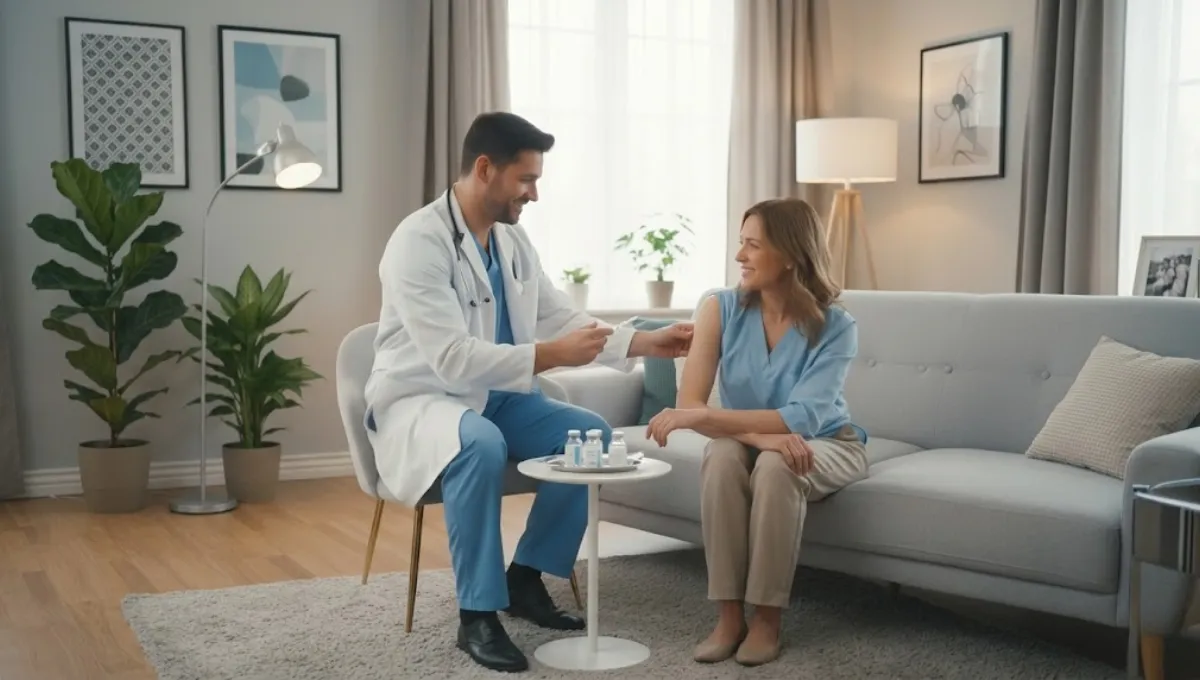

Every year, seasonal influenza affects millions of people worldwide. While many recover within days, others particularly children, elderly individuals, pregnant women, and those with chronic conditions, face serious complications. Prevention remains the most effective defense. Today, services like flu vaccine at home, doctor at home, and doctor on call are making preventive healthcare more accessible than ever.
Instead of waiting in crowded clinics during peak flu season, families now have the option to receive vaccinations and medical support in the comfort of their own homes. This shift reflects a broader transformation in healthcare delivery, one that prioritizes convenience, safety, and proactive protection. Aims Healthcare is among the providers supporting this evolution by offering structured home-based vaccination and consultation services designed to meet professional medical standards without unnecessary hospital visits.
Table of Contents
Why Flu Prevention Matters More Than Ever
According to global health authorities, seasonal influenza results in millions of severe cases annually and hundreds of thousands of respiratory-related deaths worldwide. Even in otherwise healthy adults, influenza can cause:
- High fever
- Severe body aches
- Persistent cough
- Fatigue lasting several weeks
- Complications such as pneumonia
Children under five and adults over 65 are particularly vulnerable. For individuals with asthma, diabetes, or heart conditions, flu-related complications can become life-threatening.
Medical experts consistently emphasize vaccination as the primary preventive measure. As one infectious disease specialist noted in a public health briefing, “Vaccination reduces both the severity of illness and the burden on healthcare systems.”
Making vaccination easier to access increases participation and that is where home-based services play a significant role.
The Rise of Flu Vaccine at Home Services
Traditionally, flu shots required a clinic visit. However, during peak flu season, healthcare facilities often become crowded. Long waiting times and exposure to other sick patients discourage some individuals from getting vaccinated.
A flu vaccine at home service eliminates these barriers. A licensed healthcare professional visits the residence, administers the vaccine following proper medical protocols, and provides aftercare guidance.
This approach offers several practical advantages:
1. Reduced Exposure
Avoid crowded waiting rooms during flu outbreaks.
2. Time Efficiency
No commuting or waiting in queues.
3. Family Convenience
Multiple family members can be vaccinated in a single visit.
4. Comfortable Environment
Children and elderly patients often feel more relaxed at home.
By simplifying access, vaccination becomes part of routine preventive care rather than a postponed task.
Integrating Doctor at Home Services with Preventive Care
Vaccination is only one aspect of preventive healthcare. A doctor at home consultation allows patients to discuss medical history, allergies, and chronic conditions before receiving the flu shot.
This integrated model ensures:
- Proper eligibility assessment
- Review of existing medications
- Monitoring for contraindications
- Immediate management of rare adverse reactions
For families managing complex medical histories, this level of oversight provides reassurance.
Home consultations can also include broader health assessments, making preventive care more comprehensive.
When Doctor on Call Services Complement Vaccination
Despite vaccination efforts, flu-like symptoms can still occur. In such cases, a doctor on call service ensures prompt medical evaluation without requiring travel while feeling unwell.
Common post-vaccination or flu-related concerns include:
- Persistent high fever
- Severe sore throat
- Breathing difficulty
- Dehydration
- Unusual fatigue
A timely consultation helps determine whether symptoms are typical immune responses or signs of a secondary infection.
By combining vaccination access with responsive care, patients benefit from a complete support system.
Understanding How Home Vaccination Works
A structured flu vaccine at home process typically includes:
- Appointment booking via phone or website
- Pre-visit health screening questionnaire
- On-site verification of medical history
- Vaccine administration using sterile equipment
- Observation period for immediate reactions
- Post-vaccination advice and documentation
Reputable providers ensure cold-chain compliance for vaccine storage and transport. Maintaining appropriate temperature conditions is critical to preserving vaccine efficacy.
Patients interested in learning more about structured home medical services can review detailed information on the official website: AIMS HEALTHCARE
Addressing Common Concerns About Home Vaccination
Some individuals question whether receiving a flu vaccine at home maintains the same standards as clinic administration.
In regulated healthcare environments, the answer is yes. Licensed professionals follow identical clinical guidelines, including:
- Sterile injection protocols
- Proper dosage administration
- Emergency preparedness measures
- Documentation and record-keeping
The setting changes—but medical standards do not.
Who Benefits Most from Home Flu Vaccination?
While nearly everyone can benefit from flu vaccination, certain groups gain additional advantages from home-based services:
Elderly Individuals
Mobility challenges make clinic visits difficult.
Families with Young Children
Managing multiple children in a waiting room can be stressful.
Busy Professionals
Work schedules may limit clinic availability.
Individuals with Chronic Conditions
Reducing exposure to infections is especially important.
For these populations, combining doctor at home and vaccination services enhances both safety and convenience.
The Broader Impact on Public Health
Increasing vaccination coverage has measurable public health benefits. Higher immunization rates reduce community transmission, protect vulnerable populations, and lower hospital admissions.
When preventive services become more accessible, participation improves. This reduces strain on emergency departments during peak flu season.
Healthcare systems worldwide are exploring decentralized care models to improve resilience. Mobile vaccination and consultation services represent one such strategy.
Choosing a Reliable Provider for Home-Based Medical Services
When selecting a provider for flu vaccine at home or doctor on call services, patients should evaluate:
- Professional licensing
- Vaccine sourcing and storage protocols
- Emergency preparedness procedures
- Transparent pricing
- Patient feedback and reviews
Making informed decisions ensures safe and effective care.
Real-Life Scenario: Preventive Care in Action
Consider a family of five preparing for flu season. Both parents work full-time, and their elderly grandparents live with them. Coordinating clinic appointments for everyone would require multiple trips and extended waiting periods.
By scheduling a flu vaccine at home, the entire household receives immunization during a single visit. During the consultation, a doctor at home reviews the grandparent’s blood pressure and medications. Weeks later, when one child develops mild flu symptoms, a doctor on call evaluates the case promptly.
This integrated approach demonstrates how home-based services create continuity of care.
Balancing Convenience with Responsibility
While home services increase access, patients must still follow medical advice carefully. Vaccination schedules, aftercare instructions, and symptom monitoring remain essential.
Healthcare providers play a critical role in educating patients about:
- Possible mild side effects
- When to seek further evaluation
- Preventive hygiene practices
- Annual vaccination recommendations
Education strengthens the overall effectiveness of preventive healthcare.
Conclusion
Seasonal influenza remains a recurring global health challenge. Preventive vaccination is one of the most effective strategies to reduce complications and protect communities. Services such as flu vaccine at home, supported by doctor at home consultations and responsive doctor on call assistance, reflect a practical evolution in healthcare delivery. By removing logistical barriers and maintaining professional standards, home-based medical support makes prevention easier to prioritize.
Aims Healthcare contributes to this preventive model by combining structured processes with patient-centered access. As healthcare continues to adapt to modern lifestyles, accessible vaccination and expert medical support at home are likely to remain an essential component of public health strategy.
Frequently Asked Questions (FAQs)
Yes. When administered by licensed professionals following clinical guidelines, safety standards remain the same as in healthcare facilities.
Individuals with chronic conditions, allergies, or complex medical histories may benefit from a pre-vaccination assessment.
Response times vary, but reputable providers prioritize timely medical support, particularly during peak illness periods.
Mild symptoms such as soreness at the injection site or low-grade fever are common and usually resolve within a few days.
Medical authorities recommend annual vaccination, as flu strains evolve each year.
You must be logged in to post a comment.