

At 6:15 am, a business traveler wakes up in a hotel room with chills and a sharp headache. An important presentation is scheduled in a few hours.
By midday, a toddler at home refuses lunch. A mild fever starts rising.
Later that evening, an elderly man feels dizzy after dinner. His family is unsure whether it is serious enough to justify a hospital visit.
None of these situations is a dramatic emergency. They are common health concerns. What often makes them stressful is not the symptom itself, but the effort required to get medical care.
In the past, the next step was predictable. Visit a clinic. Sit in traffic. Wait for your turn. Rearrange the entire day.
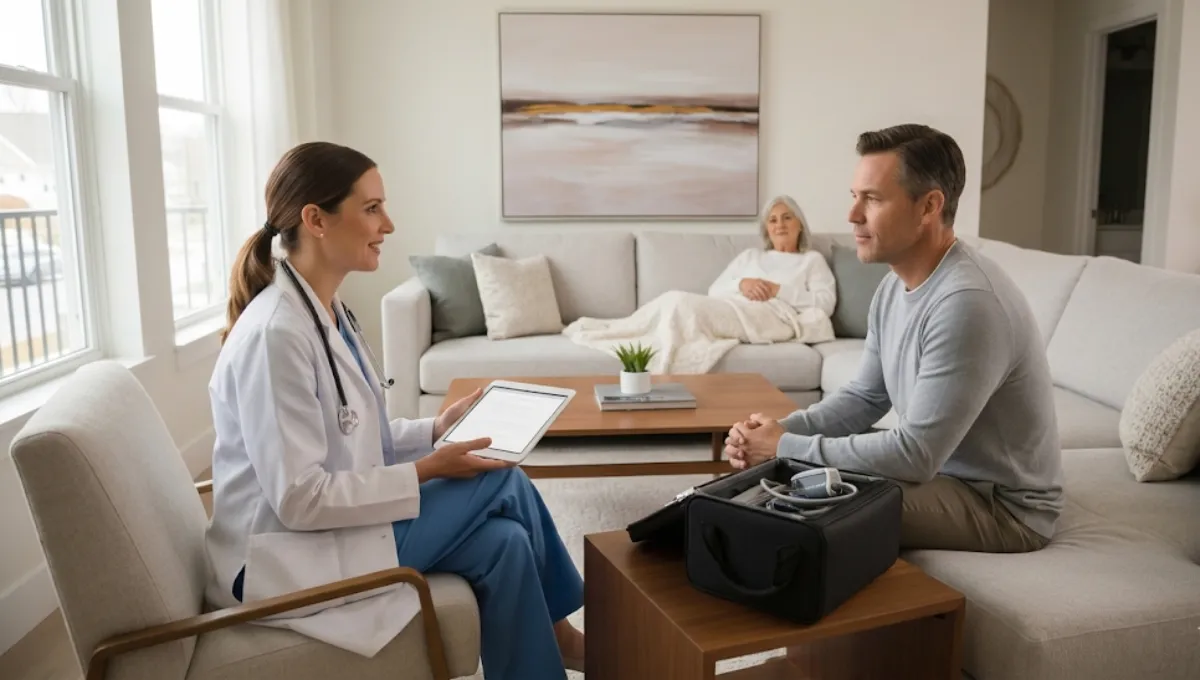
Today, healthcare delivery is becoming more flexible. Patients can receive care where they are. That may mean arranging a doctor at hotel during travel, scheduling a doctor at home for a family member, or contacting a doctor on call for urgent but manageable symptoms.
This shift is practical. It reduces delays. It also makes it easier for people to act quickly instead of waiting and hoping symptoms improve on their own.
Table of Contents
When Health Problems Disrupt Normal Routines
Illness rarely appears at a convenient time. It shows up in the middle of work hours, during vacations, or late at night when most clinics are closed.
For many people, the hesitation comes from the following:
- Driving through traffic while feeling unwell
- Sitting in crowded waiting areas
- Taking unpaid leave from work
- Managing children or elderly relatives outside the home
Because of these barriers, minor symptoms are often ignored at first. A simple infection may worsen. Dehydration may become severe. Headaches can turn persistent.
When people can access a doctor on call, and the need to travel is removed, the decision becomes easier. Patients are more likely to seek evaluation early rather than delay care.
Access changes behavior.
Medical Care Within the Home Setting
Receiving treatment at home feels different from visiting a clinic. Since the environment is familiar, the patient feels more relaxed. Conversations between the doctor and the patient are often clearer and more focused.
A doctor at home can assess and treat many common conditions. Some of them are as follows:
- Fever and seasonal flu
- Stomach discomfort
- Respiratory infections
- Minor injuries
- Routine health checks
- Monitoring of chronic illnesses
For parents, this avoids the stress of transporting a sick child. For elderly individuals, it reduces the risk of falls or exhaustion during travel. It is also helpful for working professionals, as it saves valuable time.
There is also a practical advantage. During a doctor at home visit, doctors can observe details within the home environment that may influence health. For example, the following can be evaluated more easily at home:
- Air quality,
- Medication storage, or
- Mobility concerns
Early treatment often leads to faster recovery. Addressing dehydration promptly prevents complications. Treating infections at an early stage reduces the need for stronger medication later.
The location may differ from a clinic, but the medical standards remain the same.
Managing Illness While Traveling
Travel places stress on the body. Changes in food, sleep patterns, climate, and routine can trigger symptoms. Digestive issues and respiratory infections are common during trips.
When someone falls ill away from home, uncertainty increases.
Where should they go?
How reliable is the nearest clinic?
How long will it take?
The service of arranging a doctor at hotel helps in removing much of that uncertainty. The patient remains in their hotel room while receiving professional evaluation and treatment.
Who Benefits from Doctor at Hotel Service
This is especially helpful for the following:
- People who are traveling for work,
- Families trying to enjoy a short break, or
- Visitors who are not familiar with the local medical system
Prompt medical care allows recovery to begin without unnecessary delay. It also helps in reducing the physical strain of traveling for people who are already unwell.
In many cases, reassurance alone makes a difference. Patients feel less anxious and are better able to concentrate on their rest when they know that expert assistance is accessible.
Immediate Access Without Overcrowded Facilities
Not every health concern is life-threatening. However, some symptoms require same-day attention. The following concerns can feel urgent:
- High fever,
- Sudden migraine,
- Allergic reactions, or
- Persistent vomiting
Waiting several days for an appointment is not ideal.
A doctor on call provides a timely evaluation in these situations. Instead of visiting an emergency department for non-critical issues, patients receive appropriate care quickly.
Emergency facilities around the world report high volumes of cases that are not severe emergencies. Accessible on-call services help reduce this pressure. They also allow patients to receive treatment in a calmer setting.
If hospital care is necessary, the recommendation is made based on proper assessment. This avoids guesswork and reduces unnecessary panic.
How Convenience Supports Better Health Decisions
Convenience is not only about saving time. It influences how people manage their health.
When access feels complicated, many patients delay seeking help. When it feels simple, such as contacting a doctor on call or booking a home visit, they respond sooner.
This pattern affects the following:
- Chronic disease management
- Medication follow-up
- Pediatric evaluations
- Early infection treatment
For example, individuals with hypertension are more likely to maintain regular monitoring when appointments are easy to arrange. Parents are more likely to seek advice early when it does not disrupt the entire household.
Research shows that early intervention reduces complications in common illnesses. Treating infections early can shorten recovery time. Managing symptoms promptly often prevents hospital admission.
Small actions taken at the right time can make a measurable difference.
Digital Systems That Support Location-Based Care
Behind each doctor at home visit is a structured coordination. Most location-based healthcare services rely on secure digital platforms.
Patients can usually:
- Book appointments online
- Share relevant medical history
- Receive digital prescriptions
- Access medical records electronically
This reduces paperwork and improves response time. Doctors can review important details before arrival, which makes the consultation more efficient.
Providers such as MyDoctor Healthcare combine digital scheduling with in-person consultations to maintain both organizational and personal attention.
Technology supports the process, but the interaction remains human.
Supporting Traditional Healthcare Systems
Convenient healthcare services or location-based medical care are not a replacement for hospitals. Severe chest pain, major injuries, and life-threatening emergencies require immediate hospital care.
However, many everyday health concerns can be managed safely outside large medical facilities.
- Flu symptoms
- Mild infections
- Routine evaluations
- Medication adjustments
By addressing these needs efficiently, healthcare systems operate more smoothly. Hospitals can focus on complex cases, while patients receive faster attention for manageable conditions.
This balanced approach benefits both individuals and institutions.
A Practical Evolution in Healthcare Access
Expectations around healthcare are changing. People value solutions that fit into their daily routines rather than disrupt them completely.
- A doctor at home allows families to manage illness without major inconvenience
- A doctor at hotel helps travelers receive care without navigating unfamiliar systems
- A doctor on call provides reassurance when symptoms appear unexpectedly
These services do not change medical science; instead, they improve accessibility.
When access improves, response time improves. And in healthcare, timing often influences outcomes.
Convenient healthcare services reflect a practical evolution. By reducing barriers and encouraging early action, they make responsible health decisions easier to take at the right moment
You must be logged in to post a comment.