
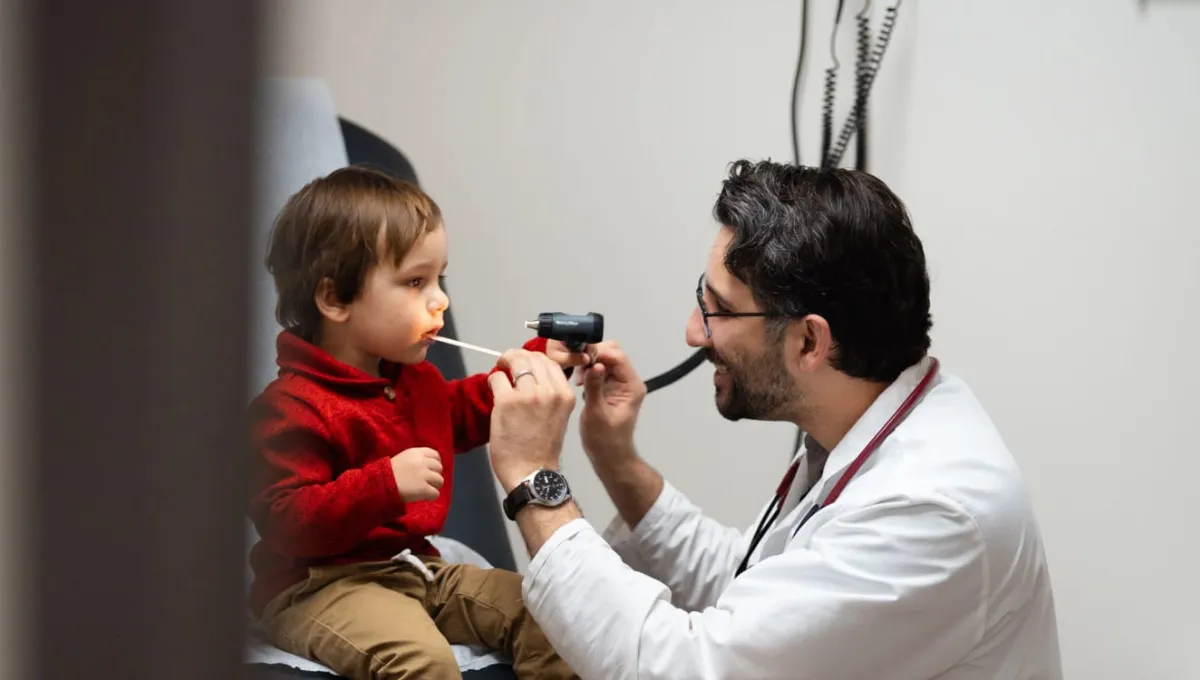

Choosing the right PCP doctor in Sterling Heights is one of the most important decisions parents make. In the earliest stages of life, a child’s body and brain develop at a remarkable pace. Regular Well Child Check-Ups ensure that this growth is monitored carefully and that potential concerns are addressed before they become serious.
Well-child checkups, also known as pediatric preventive visits, focus on routine screening, growth tracking, and developmental monitoring during infancy and toddlerhood. These visits are not scheduled only when a child is sick with a fever or flu. Instead, they are designed to build a strong foundation for lifelong health, supporting children as they grow into healthy preteens, teenagers, and adults.
Across many healthcare systems worldwide, well-child visits are scheduled at specific intervals, typically within days of birth and then at 2, 4, 6, 9, 12, 15, 18, 24, and 30+ months. These regular appointments allow physicians to monitor rapid growth, track developmental milestones, and administer essential immunizations. Over time, this consistency helps create healthier families and stronger communities.
Table of Contents
What Is a Well Child Check-Up and What Comes Under It?
A well-child checkup is a comprehensive preventive visit designed to monitor a child’s physical, developmental, and emotional health. These appointments focus on ensuring that children are thriving, not just treating illness.
1. Physical Examination
A complete head-to-toe examination is conducted at every visit. This includes:
- Measuring height, weight, and head circumference
- Plotting growth on standardized growth charts
- Monitoring blood pressure (when age-appropriate)
- Checking heart, lungs, abdomen, skin, and reflexes
Growth monitoring is especially important in the first few years. Tracking weight and height within healthy ranges reassures parents and helps identify nutritional or metabolic concerns early.
2. Developmental & Behavioral Monitoring
Early childhood is a period of rapid neurological development. During well-child visits, physicians assess:
- Motor skills (crawling, walking, coordination)
- Language development (babbling, first words, sentence formation)
- Social and emotional behaviors
- Cognitive milestones
If developmental delays are suspected, early intervention services can be recommended. Early detection significantly improves long-term outcomes.
3. Immunizations
Vaccinations are a critical component of preventive pediatric care. These protect children against serious and potentially life-threatening illnesses. During each visit, the physician reviews the immunization schedule and administers necessary vaccines based on age.
Immunizations not only protect individual children but also strengthen community immunity, reducing the spread of preventable diseases.
4. Screenings
Depending on the child’s age, well-child visits may include screenings for:
- Vision and hearing
- Anemia
- Lead exposure
- Autism spectrum disorder
- Developmental delays
These screenings are designed to detect concerns before symptoms become severe, allowing timely and effective treatment.
5. Nutrition & Diet Guidance
Healthy growth depends heavily on proper nutrition. During well-child visits, physicians:
- Discuss breastfeeding or formula intake (for infants)
- Guide parents on introducing solid foods
- Provide calorie and nutrient recommendations
- Emphasize balanced diets including all food groups
Parents receive personalized advice that supports healthy weight gain and prevents nutritional deficiencies. This helps children who are picky eaters or have poorer eating habits, develop right eating patterns at the right time.
6. Proactive Guidance
Anticipatory guidance refers to advice on upcoming developmental stages. This may include guidance on:
- Safe sleep practices
- Childproofing the home
- Car seat safety
- Toilet training
- Managing tantrums
- Establishing healthy sleep routines
This type of counselling prepares parents for what’s ahead and reduces anxiety about common childhood behaviors. Parents are also aware of what to expect as their child grows.
7. Dedicated Time for Parental Concerns
Well-child visits create a safe space for parents to ask questions about behavior, feeding, sleep, or any unusual symptoms. This ongoing dialogue builds trust between families and their primary care provider.
Why Well Child Check-Ups Matter from Early Years to Later Life
The benefits of routine pediatric visits extend far beyond infancy. The early years set the tone for a child’s physical, emotional, and cognitive health throughout life.
Tracking Growth and Development
Regular measurement of height, weight, and head circumference ensures that a child is growing appropriately. Growth charts allow physicians to compare development with standardized age-based benchmarks. Sudden changes in growth patterns can signal underlying health concerns that require attention.
Developmental Screenings and Early Intervention
Milestones such as walking, talking, and social interaction are critical indicators of neurological development. Identifying delays early allows access to speech therapy, occupational therapy, or behavioral support when needed. Early intervention often prevents long-term learning difficulties.
Preventive Care and Immunizations
Preventive care is far more effective, and less costly, than treating advanced disease. Vaccinations protect against serious illnesses that once caused widespread complications in children. Staying on schedule ensures consistent immunity and reduces the risk of outbreaks.
Early Detection of Health Issues
Routine checkups help detect:
- Hearing problems that may affect speech
- Vision issues that impact learning
- Nutritional deficiencies
- Behavioral disorders
When identified early, these issues are typically easier to treat and manage.
Building Healthy Habits Early
Well-child visits also focus on teaching families about healthy routines. Guidance around nutrition, screen time limits, physical activity, and sleep hygiene lays the groundwork for lifelong wellness.
Children who grow up with structured preventive care are more likely to maintain regular healthcare habits into adulthood.
The Role of a PCP Doctor in Pediatric Preventive Care
A trusted PCP doctor plays a central role in maintaining continuity of care. Unlike urgent care visits that focus only on immediate illness, a primary care physician builds a long-term relationship with the child and family.
This continuity allows the doctor to:
- Track health trends over time
- Understand family medical history
- Identify subtle changes in behavior or growth
- Offer personalized guidance
For working parents, single parents, elderly caregivers, and busy families, having a dependable PCP ensures accessible, coordinated care without unnecessary emergency visits or long waiting times.
Long-Term Impact on Community Health
When families prioritize preventive pediatric visits, entire communities benefit. Early screening reduces the burden on emergency departments and specialty services. Healthy children perform better in school, develop stronger social skills, and grow into healthier adults.
Routine well-child checkups also reduce healthcare costs over time by preventing complications and minimizing hospital admissions. A healthcare system that emphasizes primary care and preventive visits supports both individual families and the broader medical infrastructure.
From Birth to Toddlerhood: A Critical Window
The period from birth to age three is one of the most important developmental phases in a child’s life. During this time:
- The brain forms millions of neural connections
- Motor skills rapidly improve
- Emotional attachment patterns develop
- Immune systems strengthen
Consistent well-child visits ensure that this development is closely monitored and supported.
Rather than waiting for illness to appear, proactive pediatric care ensures children grow confidently, healthily, and safely.
Conclusion
Well-child checkups are not optional appointments; they are foundational to lifelong health. From monitoring growth and administering immunizations to offering parental guidance and early intervention, these visits safeguard a child’s future.Choosing a reliable PCP doctor in Sterling Heights helps with continuity, early detection of concerns, and compassionate guidance throughout childhood. Preventive pediatric care builds strong communities for generations to come.
You must be logged in to post a comment.