
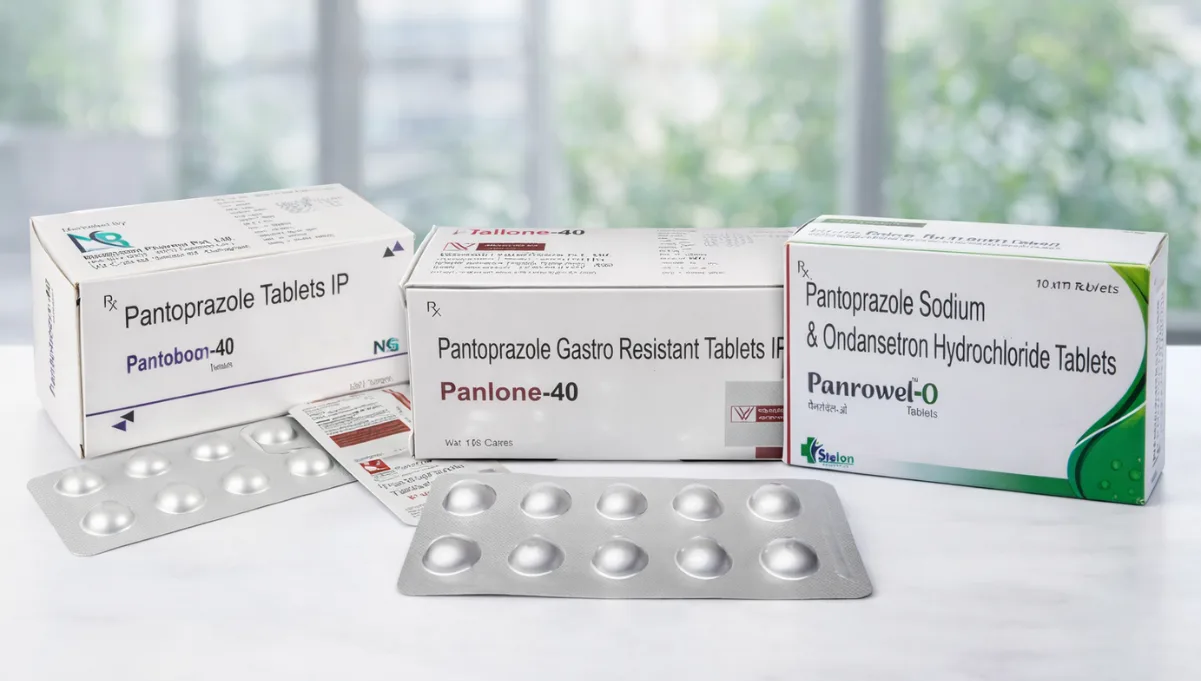

Have you ever gotten the sensation of a burning flame climbing up your chest after you have eaten a hot meal or when you sleep? You may be one of the millions of people who have to deal with excess stomach acid. This is what makes awareness search for the true, permanent relief have a typical remedy: Pantoprazole Tablet uses span between calming heartburn and repairing serious damage. However, what we are asking is what it is and whether it suits you. Now we should get off the island of confusion and discuss how this drug can assist you in getting back to comfort and being able to enjoy food without fear.
Table of Contents
What is the Pantoprazole Tablet
Pantoprazole is a prescription drug that is commonly referred to as Protonix. It is a member of a group of very strong drugs known as proton pump inhibitors (PPIs). The imagination uses the idea that your stomach is being pumped by the acid makers. The mechanism of action of pantoprazole is the direct blockage of these pumps at their origin. This is contrary to the activity of the antacids that simply neutralize the acid in your stomach. When you decrease the quantity of acid generated, this will delay the relief and will give the damaged tissues in your esophagus or stomach the time to heal.
Pantoprazole Tablet Composition
Pantoprazole sodium is the active pharmaceutical ingredient, which is the key player in every tablet. It is particularly prepared as a so-called delayed-release tablet or enteric-coated tablet. This intelligent design is essential; it even dispels that it has a special coating which does not allow it to dissolve in the acidic background of your stomach.
Rather, the tablet will be released to your small intestine to be dissolved and give out the drug. This is to guarantee the drug is taken in the right way into your blood fight to reach the acid pumps of your stomach lining in an effective manner without being killed along the journey.
Pantoprazole Tablet Uses
Pantoprazole is prescribed by doctors as a part of special conditions when it is important to control the acid and promote treatment and healing:
Curing Erosive Esophagitis: This is a factual wound or swelling on your esophagus brought on by the ever-washing back of stomach acid (severe GERD). Pantoprazole has a great ability to repair this damage.
Treatment of GERD Symptoms: In the long-term treatment of GERD in cases of persistently experienced heartburn and acid regurgitation, it offers long-term relief of symptoms.
Management of Zollinger-Ellison Syndrome: This is a rare disorder; the tumors provide excessive secretion of stomach acid. This is a dangerous overload of acids, which is controlled by the use of pantoprazole.
Treatment and Prevention of Ulcers: It aids in healing the ulcers affecting the stomach and the intestines. It is also applied to avoid ulcers in individuals whose treatment requires long-duration NSAID analgesic drugs (such as ibuprofen or naproxen) that irritate the stomach.
Pantoprazole Tablet Dosage and Storage
The dosage is individualized, although there are general guidelines:
In Adults ( Erosive Esophagitis/GERD): The usual starting dose is 40 mg/kg/day, which is normally administered once daily and lasts up to 8 weeks. It must be swallowed pure as it is, to pieces, never divided, broken, or masticated. You may use it with some meal or/otherwise.
In Other Conditions: For Zollinger-Ellison syndrome, the starting dosage at use is usually 40mg twice a day. In children aged above five years, the dosage depends on their weight.
To store, it is easy to store the tablets in their original container at room temperature, without exposing them to heat, moisture, or direct sunlight. Medicines are never to be left within the reach of kids and animals.
Pantoprazole Tablet Benefits
The essence of the benefit is a strong, long-term reduction in acid, which results in:
- It produces favorable effects on the symptoms: important improvement of heartburn, vomiting, and stomach pain, which usually improve within a few days.
- Enhances Natural Cure: Neutralizes the acid that is necessary in the stomach and esophagus to restore itself.
- Prevents Complications: Helps to avoid the severe complications such as walled-off ulcers, bloody or tight ulcers of the stomach (esophageal strictures).
Pantoprazole Tablet Side Effects
Mild forms: headache, diarrhea, nausea, gas do not last very long. Inflammable few, which are very rare, forbid delayed speech:
- Liquid/ bloody diarrhea.
- Obtuse magnesium/B12 ratios: spasms, tiredness, numbness.
- Problems with the kidneys: urinary malaise, edema.
- Fractures of the bones (diluted, prolonged).
- Skin responses: blisters, flare of lupus, rash.
Monitor with Check-ups; complain of new symptoms.
Pantoprazole Tablet Precautions
Before starting, speak with your doctor:
- Complete Medical History: Please Share: Particularly, liver disease, lupus, osteoporosis, or a low magnesium or vitamin B12 history.
- List All Other Medications and Supplements: Pantoprazole may interact with such drugs as atazanavir (HIV), some antifungals (ketoconazole), blood thinners (warfarin), and some other drugs, thereby making them not as effective or causing more side effects.
- Discussion Duration: Long-term use (more than a year) can be linked to the possibility of bone fractures, poor levels of vitamin B12, or growths in the stomach (in most cases, benign). These can be monitored with the help of your doctor.
- Pregnancy/breast practice: Explore the points of danger and gain with your medical expert.
Always Stop Short: When beginning or breaking taking certain medications, always obey the doctor and do not stop suddenly because this results in rebound acid hypersecretion.
Frequently Asked Questions
Ans. The 40 mg dose is the standard for healing erosive esophagitis and managing severe GERD symptoms in adults. It’s typically taken once daily for a prescribed course, often up to 8 weeks.
Ans. The injectable (IV) form is used in hospital settings for patients who cannot take oral medication. It provides short-term acid control in critical care, before/after surgery, or for severe conditions.
Ans. Common side effects include headache, diarrhea, and nausea. More serious but less common side effects can include severe diarrhea, low magnesium levels, kidney issues, or bone fracture risk with long-term use.
Ans. Not primarily. It reduces stomach acid, not gas. While improved acid control might ease some bloating linked to reflux, it won’t help with gas caused by diet, swallowing air, or other digestive processes.
Ans. The cost varies significantly. Generic pantoprazole is generally very affordable, often between Rs. 60 – Rs. 100, depending on your pharmacy and insurance.
You must be logged in to post a comment.