
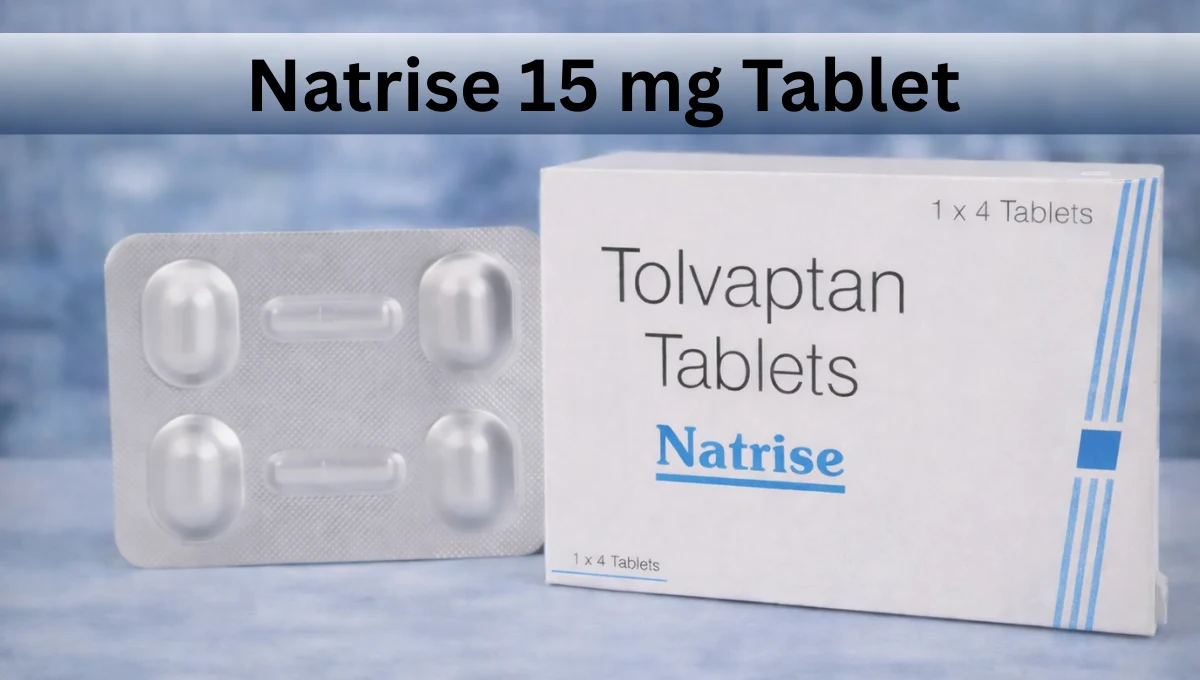

Natrise 15 mg is a quick-fix drug that is used to normalize the low sodium levels in the blood. It makes people feel better who have heart problems, liver issues or hormonal imbalance. You are in the right place, in case you are trying to find reliable information about this tablet. We would like to simplify it to get a clear understanding.
Table of Contents
What is Natrise 15 mg?
Natrise 15 mg is a prescription medication that has been created to solve specific problems in your body’s fluid and salt balance. This drug mainly aims at correcting low sodium levels in your blood. This disease is called hyponatremia and it is not simply due to the increased intake of salt. It is a complication of other serious health diseases like heart failure, liver disease (cirrhosis) or a condition referred to as SIADH which is a hormone problem. Another indication of the use of the drug is in the case of adults with Autosomal Dominant Polycystic Kidney Disease (ADPKD), which is a disease that prevents the rapid proliferation of fluid-filled cysts in the kidneys.
Natrise Tablet 15 mg Composition
Tolvaptan (15 mg) is the active ingredient of the Natrise 15 mg. Tolvaptan is a type of drug that is also called a vasopressin receptor antagonist.
How it works: Vasopressin is a natural hormone within your body and is a signal that is sent to your kidneys to retain water. Tolvaptan blocks this signal. In this way, it helps your kidneys to get rid of any excess water but not vital salts like sodium and potassium. This is used to raise your sodium levels within your blood slightly.
The tablet also contains inactive substances which constitute the tablet’s body. However, tolvaptan is the primary substance that makes it act.
Natrise 15 mg Uses
Natriise 15 mg is prescribed by doctors in two ways:
- In the Treatment of Hyponatremia (Low Blood Sodium): This is the commonest cause. It is also applicable to adult patients with low blood sodium as a consequence of:
- Congestive heart failure, peritoneal effusion.
- Fluid retention in liver cirrhosis.
- Syndrome of Inappropriate Antidiuretic Hormone (SIADH).
- To Slow Kidney Disease Progression: In adults with fast spreading Autosomal Dominant Polycystic KIDD (ADPKD), Natrise is taken to decelerate the progression of kidney cysts and kidney impairment which might defer the necessity of more intense treatment.
Read More About – Ciplar tablet uses, Dosage, Benefits, Precautions & Side Effects
Natrise 15 Dosage
The right dose of Natrise 15 is highly crucial and must be determined by your physician.
- Normal Starting Dose: The normal starting dose is 15mg and is administered daily.
- Increases in Dose: You will have your blood levels of sodium checked regularly. Based on your reaction, your physician can make a decision to give you more doses. Its highest dose is 60mg daily.
- Key Points to Remember:
- The tablet is to be swallowed with a glass of water. The pill must not be pressed or chewed.
- The tablet comes with or without food, but you need to avoid grapefruit or grapefruit juice which may interact with your medication.
- You need to continue taking the medication as long as your medical practitioner prescribes and this may be a long time in case of ADPKD.
Natrise 15 mg Tablet Storage
In order to ensure that your medicine is effective and safe enough to use:
- Store it in a cool and dry space devoid of direct sunlight, heat or humidity (in a cabinet of the kitchen without the cooker).
- It must be maintained at 10 °C to 25 °C (50 °F to 77 °F).
- Never leave the strip/bottle within the reach and visibility of children or pets.
- Do not take the drug beyond the expiration date that appears on the package.
Natrise 15 mg Tablet Benefits
The benefits of Natrise 15 mg can be directly associated with the effective control of the conditions on which it has been used:
- Address Sodium Imbalance: It is known to raise and normalize the normal amount of sodium in the blood, which may be used to eliminate the most adverse effects of brain fog, severe fatigue, nausea, and muscle weakness.
- Reduces Fluid Overload: It may assist in reducing swelling (edema) and addressing breathing problems such as those brought about by heart or liver failure in patients by aiding the body to remove excess fluid.
- Protects Kidney Function: It is a long-term benefit in the ADPKD patient as it prevents the progression of cysts and maintains the functionality of the kidneys.
- Enhances the Quality of Life: The effective management of hyponatremia or the deceleration of the ADPKD progression may lead to a decrease in hospitalization and even an increase in the functionality that is required to perform daily activities.
Natrise 15 mg Side Effects
Like any other drug, Natrise 15 mg side effects are true. Knowing them will make you manage them.
- Very Common (Expected): Due to the process of losing additional water in the body, you might experience:
- Increased thirst
- Dry mouth
- Frequent urination
These are anticipated responses to the increased discharge of water by the body.
- Common: The additional side effects are:
- Serious (Contact Your Doctor Immediately): There are conditions under extreme circumstances in which one should be cautious of the following:
- Liver damage: Yellow skin/eyes (jaundice), dark urine and serious pains in the abdomen.
- Too high an increase in sodium levels: difficulty in speaking and swallowing, severe headache, confusion and muscle weakness.
- Severe allergic reaction: Rash, itch, swelling of the face or tongue, difficulty breathing.
The side effects are not severe and can mostly be overcome with time as your body becomes accustomed to the drug. But you should not be shy about consulting your doctor regarding any side effects that you still experience or are annoyed with.
Natrise 15 mg Tablet Precautions
With the help of these measures, you will be able to use Natrise 15 mg safely:
- Share Your Full Medical History: say whether you have some liver, kidney (except ADPKD) issues, have difficulty with urinating, diabetes, have high uric acid levels or have no ability to feel thirsty.
- Pregnancy and Breastfeeding: Natrise cannot be used by a pregnant women as it may be dangerous to the baby. Every woman capable of bearing children should be well-provided with contraception. Also, Natrise should be contraindicated in breastfeeding mothers.
- Significant Interactions: Grapefruit products and alcohol should not be taken. Disclose all other prescription, over-the-counter and herbal medications that you are taking to your healthcare provider.
- Necessary Tests: Blood tests to monitor your sodium levels, liver, and kidney functions will be requested regularly by your healthcare provider as a part of treatment.
- Stay Hydrated: Fluids should be consumed whenever you feel thirsty. Nevertheless, adhere to the fluid intake instructions by your health care provider, particularly in the case of heart failure.
Frequently Asked Questions
Ans. The Natrise 15 mg tablet price can vary between pharmacies, cities, and based on pack size (e.g., a strip of 4 tablets). As a prescription drug, you need a valid doctor’s prescription to buy it.
Ans. Tolvaptan, the active ingredient, is sold under other brand names. Always consult your doctor before making any change to your prescribed medication.
Ans. The two key natrise 15 mg uses are: 1) Treating hyponatremia linked to heart failure, cirrhosis, or SIADH, and 2) Slowing the progression of rapidly worsening ADPKD in adults.
Ans. The natrise 15 dosage is personalized. A doctor determines it based on your specific medical condition, current blood sodium levels, and how your body responds after starting the medicine.
Ans. The most common Natrise 15 mg side effects are increased thirst, dry mouth, frequent urination, and fatigue. Others include dizziness, headache, nausea, and constipation.
Ans. The typical starting Natries dose per day is 15 mg, taken once daily. Depending on your body’s response and blood test results, a doctor may adjust this dose.
You must be logged in to post a comment.