
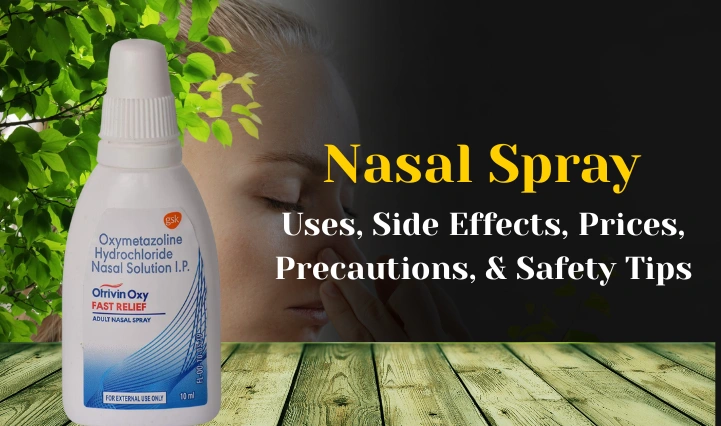

But that occurrence of a stuffy and blocked nose can make one of the simplest things in their life seem like an uphill struggle. Nasal congestion is that universal evil that is prompted by seasonal allergies, colds, or dry air found indoors. But relief is, in many cases, a spritz. To cross the nasal spray confusion, sailing from the world of nasal sprays, there is an array of options that make sure to unblock your nose with the help of the Nasal spray. This guide will provide you with a clear, simple understanding of how nasal sprays work, how to properly use them, and also learn how to discover the right one for you.
Table of Contents
What is a Nasal Spray?
The nasal spray is a liquid medicine that is used to be sprayed directly into your nostrils. Think of it as a delivery service of IV (injection or intravenous, actually in this case) drugs to your nose. Unlike a pill, which dissolves and goes into your entire blood straight into the spot where the problem is – your inflamed, swollen, or irritated Nasal Passage. This quick trial method often means quick relief from congestion, not to mention fewer side effects throughout the entire body. They are small bottles that one can carry about, making it very convenient and discreet in the case of everything from sudden allergies to chronic sinus problems.
Nasal Spray Composition
The problem that it solves depends on what’s in the bottle. Basically, “nasal spray composition” will require the following main types:
- Saline Sprays: These are simply easy, harmless solutions of sterile saltwater – sodium chloride. They do not contain any medication, and they are ideal for all ages, for moisturizing dry nostrils and loosening thick mucus.
- Anti-inflammatory medicines: Medicines such as fluticasone or mometasone are generally used in corticosteroid sprays. These are long-term medications that take days or even weeks to take down the swelling. They are used for the treatment of allergies and chronic inflammation of the sinuses.
- Decongestant Sprays: These are your quick-relief (and quick-acting) rescuers and contain such ingredients as oxymetazoline. The way they do this is by immediately reducing the size of the blood vessels that are swollen inside your nose. Important note: these are for short-term use only (usually no more than 3 days) to ensure that there is no “rebound congestion.”
- Antihistamine Sprays: To directly target the allergies, there are some sprays available, such as azelastine in which contains a metabolite agent, histamine, that triggers sneezing, itching of the nose, and a runny nose.
Nasal Spray Uses
A nasal spray is a sure all-purpose tool in maintaining health. The “nasal spray uses” are diverse, but include any number of common problems:
- Clearing Blocked Noses: In order to get fast relief from congestion caused by cold, flu, Blocked Nose, or sinus infections.
- Allergy Management: Reduces/prevents the symptoms of allergies, e.g., sneezing, itchy nose, and runny nose.
- Easing Sinus Pressure: Helps to open up the sinus pressure by reducing the inflammation and thus relieves the uncomfortable pressure from sinusitis.
- Moisturizing Dry Passages: Moisturizes noses, dried out by low levels of humidity, air travel, or heating systems.
- Aiding Recovery: It is used after nasal surgery, as well as in cases of nasal polyps, for the purpose of healing and swelling.
Nasal Spray Usage
The important idea here to make a nasal spray effective is to use it the right way, because if not, it would be like hitting the target. Here’s How You Do It Right:
- Blow your nose gently to get your nostrils clear first. If your instructions state that you have to do so, shake the bottle and prime it by throwing it in the air a couple of times until you get a fine mist coming out.
- Tilt your head forward slightly. With one nostril closed using your finger, put the tip into the other one, pointing the nozzle away from your center wall (septum) of your nose to the outside corner of your eye.
- As you squeeze the pump, squeeze it in gently – do not take a big, sharp breath towards you. Repeat on the other side, always wiping the tip clean before putting the cap on.
Read More – Teriparatide Injection Uses, Side Effects, and Precautions
Nasal Spray Storage
In order to ensure that your nasal spray is potent and safe, be careful with this spray.
- Store at room temperature, leaves a high tendency to direct the sunlight and high heat (eg, hot car). Do not freeze.
- The most important habit is to recap after use in order to keep the nozzle clean and free from germs that may cause an infection.
- Just like any other medicine, always check the expiration date, and never take medicine after the expiration date.
Nasal Spray Benefits
Why use a nasal spray? The advantages are obvious:
- Targeted Relief: Brings medicine into the targeted place and time where it’s needed, which may require the use of a lower dose than when using a pill.
- Fast acting: In the case of the decongestant varieties, the fast-acting effect can especially be felt soon, even minutes after ingesting the drug.
- Fewer Whole-Body Side Effects: Since it takes effect locally, there are fewer chances for side effects such as drowsiness or upset stomach.
- Non-Drowsy Formula: Most of the steroid and saline sprays are generally non-drowsy, i.e., you can use them at any time.
- Easy for All Ages: With the right type, such as saline, these are safe and work for the baby or adult alike.
Nasal Spray Side Effects
Nasal sprays are usually very safe, although they are prone to having side effects, which are most often mild.
Common and Temporary: A slight burning or stinging sensation, dryness inside the nose, a little sneezing, and an unpleasant taste.
Serious:
- Rebound Congestion: Result of overuse of decongestant sprays for more than 3 to 5 days, in which congestion increases with its removal.
- Nosebleeds: Might happen owing to the irritation of the nasal lining, mainly because of ill-aiming during or overuse.
- Septal Perforation: A condition which is generally associated with the prolonged abuse of such sprays; it’s a hole in the nasal septum.
Read More – Monocef SB Injection Uses, Benefits, Side Effects & Precautions
Nasal Spray Precautions
Staying safe is, in fact, really very simple if you adhere to the following rules:
- Never Share: Your nasal spray is yours to use alone so as not to spread the germs around you.
- Directions: Take as directed for a minimum of treatment duration and different scheduled dosages. More is not always better.
- Consult a Doctor First: If you have conditions such as high blood pressure, glaucoma, thyroid problems, or an enlarged prostate, then you need to consult your doctor before using a decongestant spray.
- Be Cautious During Pregnancy: Before using any medication, choose the right drugs. Always consult the doctor if you are pregnant and breastfeeding.
- For Children: The use of medicated sprays on a child is only under the guidance of a doctor. Saline sprays are relatively safe.
Frequently Asked Questions (FAQs)
Ans. Yes, Saline nasal sprays or drops are generally safe for babies to help loosen mucus, but medicated sprays should only be used under professional guidance.
Ans. Prices vary with type and brand. Basic saline sprays are affordable, while corticosteroid or combination sprays tend to be pricier. Generic options offer cost-effective choices.
Ans. Yes, corticosteroid and saline nasal sprays are effective in managing sinus pressure and inflammation. Consult a doctor for persistent sinus issues.
Ans. Most nasal sprays are safe for adults when used as directed, though those with medical conditions should consult their healthcare provider first.
Ans. Decongestant sprays are for short-term use (up to 3 days). Corticosteroid sprays may be used longer under medical supervision.
You must be logged in to post a comment.