
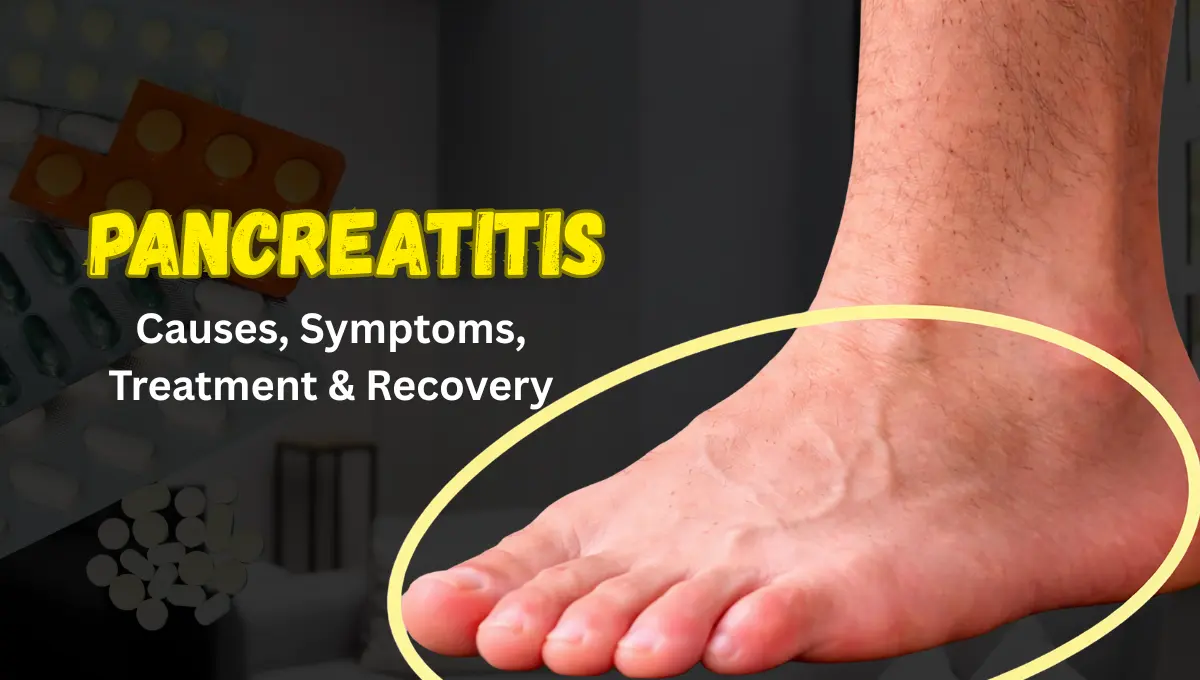

Have you ever gotten that irritation on your toes when you are tired after a long day or after vigorous exercise? It appears that you are not the only one. This irritable scratch is the symptom of one of the most widespread skin diseases, the athlete’s foot. One does not need to be an athlete in order to contract this vexing disease, and thus do not be misled by the name. This fungus easily grows in warm and damp places and your shoes, locker rooms and your warm socks are the places it can call home. The positive aspect is that it is easily treated. With the correct information and treatment of this problem, this irritating itch can finally be eliminated. To learn more, head over to doctorfolk and explore the full guide with complete details.
Table of Contents
What is the Athlete’s Foot?
Tinea pedis is an infectious fungus of the feet in athletes or medically referred to as athlete’s foot. These are the fungi, also referred to as dermatophytes, which feed on a protein that can be found in your skin called keratin. They are flourishing in a hot and damp atmosphere and as such, your sweaty feet in your shoes which are their favorite meal. It is as though an obnoxious guest lodges in the superficial part of your skin and starts giving you irritating symptoms in every respect. It is very common, affecting up to 70% of all people during their lives. Generally, it is just a nuisance, yet it is your feet’s way of telling you that they want a bit more care and attention to keep dry and healthy.
Types of Athlete’s Foot
Not all athlete’s foot appears the same. Knowing the variety assists in identifying it and selecting the right athlete’s foot cream for the cure. The doctors usually classify it into four significant types:
- Interdigital: This is the most common form. It is between your toes (more so between the 4 th and 5 th toes), itchy, peeling, and the skin may appear white, soggy, and cracked.
- Moccasin: This one produces a dry, scaly, thickened rash of the sole as well as of the heel and sides of the foot, frequently quite covering it so that it may be said to be covered with a no longer wet yet very itchy moccasin slipper. It is not a particularly contagious form and it is frequently confused with eczema or extremely dry skin.
- Vesicular: This appears as abrupt flares of water-filled blisters of itch and are typically located at the soles or top of the foot. This is a far more inflammatory form.
- Ulcerative: The more serious, more common one. It makes painful cracks in between toes and also fluid oozes. Most commonly, this state is a complication of the unattended interdigital infection and is predisposed to secondary infection with bacteria.
Athlete’s Foot Symptoms
How can you tell it’s athlete’s foot and not just dry skin or a rash? The following are some of the symptoms that may vary based on the type of asthma that you suffer:
- Itch, stinging, and burning, particularly when the shoes and socks are removed.
- The skin of the area between the toes and the soles tends to peel, crack or scale.
- Redness and inflammation.
- Covered with dry and thick skin on the heels or soles.
- Blisters that can bleed and/or scorch.
- Bare, sensitive skin from scratching.
- A distasteful smell in the infected part.
- Brown, brittle, or thick toenails in case of further spreading of the infection (reinfection of the nail).
Athlete’s Foot Causes
So, how does one pick up this itchy problem? The fungi love to live and spread in the following ways:
- Indirect Contact: This is the big culprit. Walking barefoot in damp communal areas, like pools, public showers, locker rooms, or saunas, where the fungus lives on the floors.
- Sharing Contaminated Items: Sharing towels, socks, shoes, or linens with an individual having an active infection.
- Direct contact: Rarely, by coming into skin-to-skin contact with an infected host.
- The Right Setting: When the spores come across your feet, they quickly build up their population in case your feet are often swampy inside tight, poorly breathing shoes. Minor cuts or scrapes on your skin make it easier for the fungus to take hold.
Athlete’s Foot Treatment
The aim of athlete’s foot treatment is two-fold: to kill the active fungus and alter the conditions on your feet so that it cannot return. Here is your Action Plan:
- Begin with Over-the-counter (OTC) Antifungals: Most of the cases will need no more. Top-quality foot creams, sprays, powders, or ointments for athletes that have antifungal agents, such as clotrimazole, miconazole, terbinafine, or tolnaftate, are very effective. The most important thing here is that one should not forget to take the antifungals for 1 to 2 weeks once all the symptoms are gone. This is the secret of preventing the recurrence of the infection.
- Take into account Prescription Strength: In case OTC drugs fail to produce results in 2-4 weeks, and/or the condition is severe, a physician can prescribe prescription-strength creams or antifungal agents (such as terbinafine or itraconazole pills).
- Home Care is Non-Negotiable: Medication or no medication, the war cannot be won, unless your feet are kept clean, and above all of all, bone-dry. This is by drying between your toes whenever you are washing your feet. Daily changing moisture-wicking socks that are worn with breathable shoes are required. Switching shoes will allow them each a time to dry fully.
When to Seek a Doctor for Athlete’s Foot
While home treatments tend to work for many people, there are also signs you should avoid visiting the pharmacy and instead schedule a doctor’s visit:
- No Improvement: You have correctly applied an Over-the-Counter athlete’s foot cream and it has not been effective in 2 to 4 weeks.
- Worsening or Severe Symptoms: The pain may be severe and may be accompanied by a lot of swelling, lots of redness, and lots of blisters.
- Symptoms of a Bacterial Infection: You can also notice such symptoms as pus, oozing, elevated warmth, red streaking of the area where the infection is located, or fever.
- You Have Underlying Health Conditions: If you already have diabetes, poor circulation or a weakened immune system through illnesses such as HIV or chemotherapy, you are expected to find a health professional immediately. For you, any infection in the feet is a serious condition.
The Infection Spreads: It moves to your toenails, hands, groin (jock itch), or other areas of the body.
You must be logged in to post a comment.