
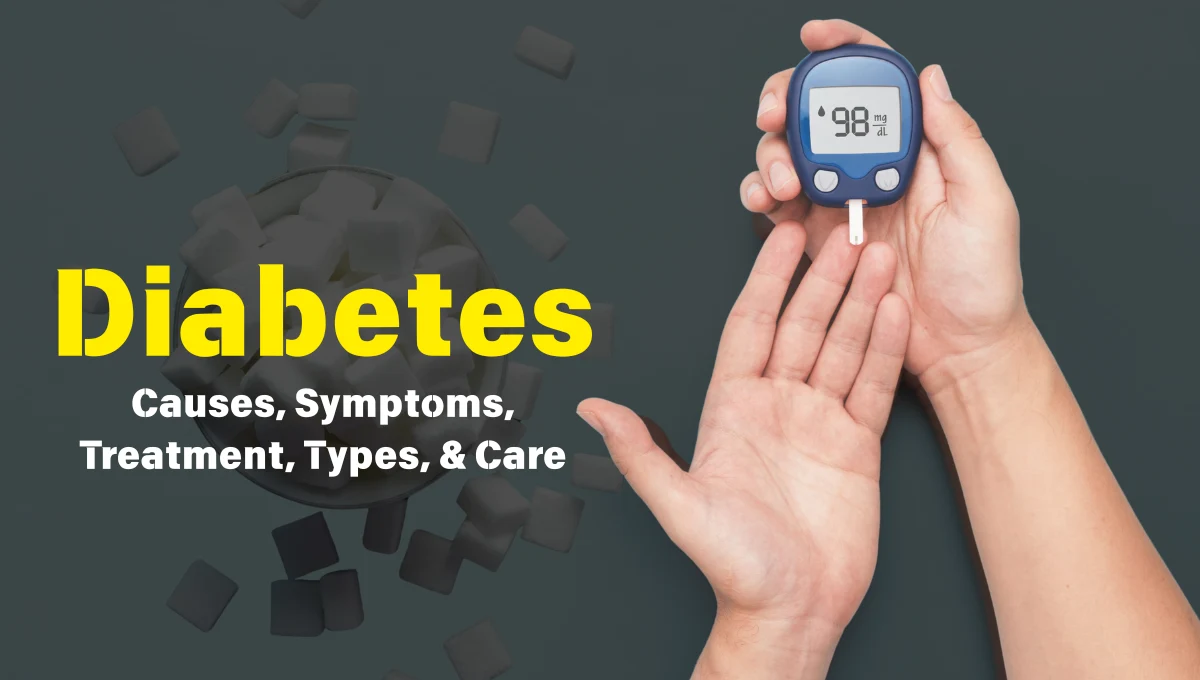

Have you ever had the sense that your own body’s power system is out of order on you? To millions of people all over the world, that is how diabetes is now a daily thing where the energy that you consume is having trouble boosting your cells. It is not only about excessive sugar intake, but it is a complicated matter with life-altering consequences. However, your protection comes first in the form of knowledge. With no more of this confusion, we have given you trusted facts so as to enable you to see what is really going on with this problem and how to be in control. To learn more, head over to doctorfolk and explore the full guide with complete details.
Table of Contents
What is Diabetes?
Diabetes occurs when your body is unable to handle blood sugar or glucose effectively which supplies energy to your cells. In the absence of sufficient insulin, a pancreatic hormone, glucose gathers in your bloodstream causing its levels to rise and damage body organs in the long run. It is a chronic disease that occurs in individuals of all ages, but the most prevalent at 90-95% is type 2 which is also on the increase. Currently, it affects more than 800 million adults around the world. To a diabetes patient, it is the close monitoring of the diabetes level to prevent heart complications, nerve discomforts or loss of vision.
Types of Diabetes
Diabetes is not actually a single condition. Knowing what kind you are dealing with is the key to get right diabetes treatment.
- Type 1 Diabetes: Type 1 Diabetes is an autoimmune disease. The immune system of the body attacks and kills the insulin-producing pancreatic cells unnecessarily due to reasons that are currently under investigation. To remain alive, a Type 1 diabetes patient needs to inject insulin daily. It is usually diagnosed in children and young adults but it may present itself at any age.
- Type 2 Diabetes: This is the most widespread and accounts for approximately 90-95 percent of the total cases. In this case, the body would be insensitive to insulin and eventually the pancreas is unable to sustain the excessive demand. However, although it is closely related to genetic predisposition it is significant that lifestyle factors such as weight, diet, and the level of activity also influence its development and control. For patients managing weight as part of their diabetes prevention, online medical weight loss programs offer medically supervised care.
- Prediabetes: It is a dangerous warning situation. Blood sugar level is elevated, but not at a high level that could be classified as Type 2. Particularly, it is an effective chance to avoid or postpone the development of full Type 2 diabetes using lifestyle changes.
- Gestational Diabetes: It is a condition that occurs in pregnant women who did not have diabetes before. It typically disappears following the birth of the baby but increases the future danger of Type 2 diabetes to both the child and the mother.
Diabetes Symptoms
The symptoms may be tricky, particularly in the beginning. Here’s what to watch for:
- The Big Thirst and Frequent Trips: Experiencing a higher than normal thirstiness and urges to urinate very frequently and particularly at night.
- Unexpected Changes: Without trying to lose weight, and feeling exhausted and energy-depleted all the time.
- Sensory Signals: The loss of vision, numbness, or tingling in hands or feet.
- Slow Recovery: The patient may point out that the cuts or sores take an extremely long time to heal or they have frequent infections (such as skin or yeast infections).
These symptoms in Type 1 may occur acutely and severely. In Type 2, they can progress very slowly to the extent that you are hardly aware of them. Hence, regular check-ups are important.
Diabetes Causes
Diabetes causes are dependent on its type. It is always a problem with insulin, but the reason is different.
- Type 1 Causes: It is not quite clear what the trigger is. Scientists think it consists of genetic weakness as well as an unknown environmental trigger (such as a virus) that triggers the autoimmune response against the pancreas.
- Type 2 & Insulin Resistance: This is the result of a combination of genetics and lifestyle. Among the major risk factors, there is a presence of overweight or obesity and belly fat, lack of exercise, and family history. There is also a risk of age and some ethnicities.
- Causes of Gestational Diabetes: Hormonal changes in the course of pregnancy may cause the cells to become insulin-resistant. When your pancreas is not able to manufacture the additional amounts of insulin that can counter this, your level of diabetes increases.
Treatment of Diabetes
Diabetes treatment is an individual plan and not a one-size-fits-all solution. This aims at maintaining the normal range of your blood sugar in order to avoid complications.
- Lifestyle is Core Medicine: It is the building block of many, in particular, Type 2 and prediabetes. It involves having a balanced diet, having at least 150 minutes of moderate exercise a week and controlling weight.
- Critical Diabetes Medicine: Drugs are crucial tactics. This may be oral medications, such as metformin (aids in making your body more efficient in using insulin) in Type 2, insulin medication in Type 1, and Type 2 with advanced disease progression. Insulin may be administered by shots, pens or pumps.
- Constant Checking: To monitor your blood sugar level, you should use a meter or continuous glucose monitor (CGM), which provides you with real-time information. One of the long-term measures would be the A1C test which provides an average level of sugar in your blood during the last 2-3 months.
- Holistic Health Checks: The management of diabetes also implies a regular check-up of the issues associated with it, such as high blood pressure, high cholesterol, and early signs of eye, foot, or kidney complications.
When to Seek a Doctor for Diabetes
Act fast on red flags to save health.
- Emerging symptoms: Feeling thirsty, passing of urine frequently, fatigue, blurred vision. Have blood tests immediately.
- Patient with diagnosed diabetes: A1C checks (after 3-6 months), adjustments of medicine in case of diabetes level spikes.
- Emergencies: In case of Ketoacidosis (vomiting, confusion, fruity breath), hyperosmolar (so thirsty, so dehydrated), hypoglycemia (shakes, sweat), then call 911.
- Pregnancy: The normal gestation screen is 24-28 weeks or earlier in case of risks.
Complications coming: In case of numbness of feet, vision change, chest pain or chronic infection seek urgent diabetes treatment adjustment.
You must be logged in to post a comment.