
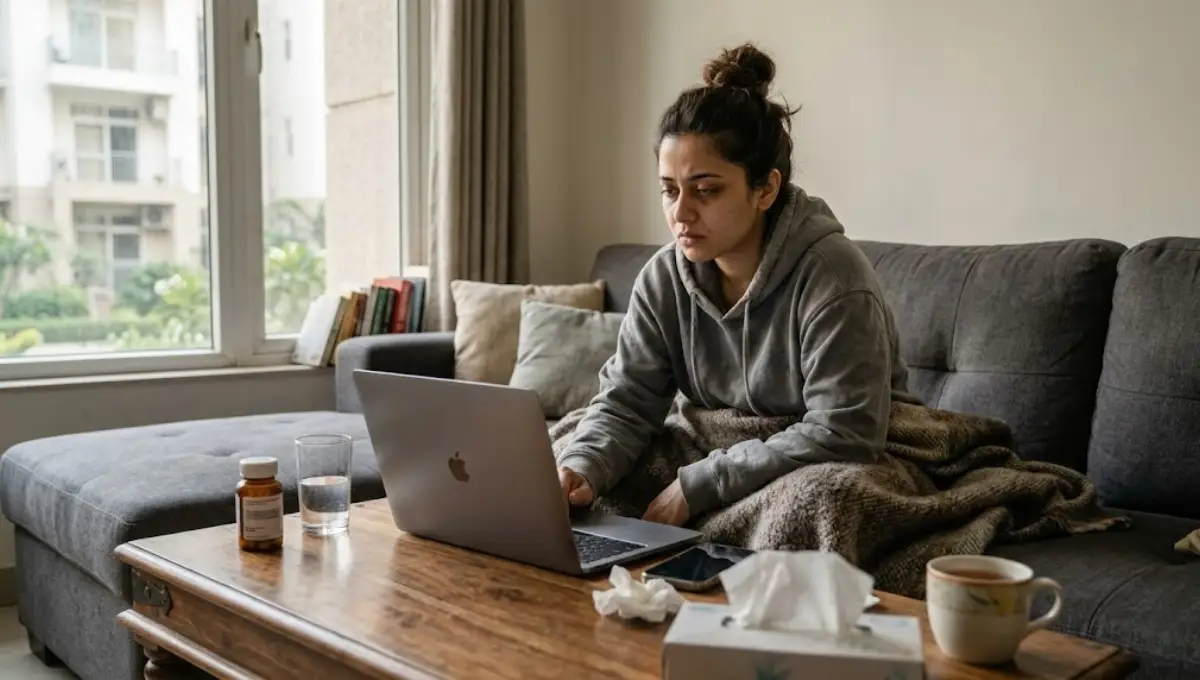

One of the implications of leading a life with a constant and ongoing health condition is that a condition is not necessarily at a predictable time. One may be fine one day and the next day may come as a shock as a person can be tired, experience pain or inflammatory bursts and therefore struggle to do normal things. To most of the individuals, this randomness may pose a problem to work, school or other matters.
It is also harder to handle sick days when available when matters are long term. Cases which are chronic might demand constant care and their periodic temporarily in cases as opposed to a cold short illness which may be withheld with constant observation. Learning how to go through these kinds of situations may assist people to keep their health and their professional roles safe.
Table of Contents
The Reality of Living With Ongoing Health Issues
The long-term health conditions may make a difference in the daily routine and other health conditions that may not be immediately comprehended by others. Autoimmune disorders, chronic migraines, arthritis, diabetes, and chronic fatigue syndrome are some of the conditions that have fluctuating symptoms.
An individual might be healthy one day, and have major problems with the next day. Such inconsistency may lead to adoption of a challenge in justifying the reasons behind the need to take time off occasionally. Due to the invisibility of many of these conditions, a person can be under pressure to work despite the need to take some time off as it is clear that their body requires rest.
Training to learn when it is time to take a break is a significant aspect of the management of long term health conditions.
Why Sick Days Are Sometimes Necessary
Taking a sick day is not just about sitting back at home in case one cannot perform. The period of rest can be very important in avoiding the deterioration of symptoms in individuals with existing conditions.
Exerting yourself in severe fatigue, pain or illness might appear to be the cause in the short-run only to cause the emergence of longer recovery strength in the future. This can be achieved by giving the body time to heal so as to minimize the chances of more severe complications.
Sick days may also enable one to have time to visit a doctor or have time to modify medicine or just to gain some strength to go back to normal life.
Communicating Health Needs at Work or School
Communication is one of the hardest parts of using sick days when living with an ongoing condition. The issue of frequent absence is of concern to many employees who fear that they may be seen as misunderstood by their managers or colleagues.
These fears can be mitigated by effective and polite communication. By stating how a situation is sometimes necessitating rest or medical care, other persons can make judgments on the reasons behind that.
The medical verification is also demanded in most occasions where organizations are faced by sick days. Documents facilitate the justification of an absence as being health related and the employer or school is free to uphold a fair policy to all people.
The Role of Medical Documentation
The medical chart is significant to the security of people with a chronic ailment. Assessment of a healthcare provider who establishes that there is need to rest or to be treated gives a clear understanding to the individual and the organization in question.
Such documentation assists in ensuring that absences of a health related nature are perceived as legitimate as opposed to not being understood as not being committed.
It also aids in alleviating the stress on people who might already be anxious because of their situation that they will miss on their duties.
How Digital Healthcare Options Are Changing Sick Day Management
Without the need to visit a clinic physically, medical documentation used to take time to get in the past. To a person with a sore back, jointless legs or tiredness, commuting to a doctor appointment can be physically taxing.
In the present time, telehealth and online healthcare provisions are enabling patients to reach licensed healthcare professionals without stepping out of their houses. Online appointments will enable people to talk about the symptoms and get health care guidance in a more accessible manner.
These choices can be a great help to individuals who are dealing with a chronic ailment when the symptoms out of the blue malfunction.
Simplifying Documentation During Illness
When someone is dealing with a flare up or sudden illness, the process of obtaining documentation should not add extra stress. Digital healthcare tools have made it possible for patients to quickly connect with providers and receive the verification they need.
Many individuals now choose to request a doctors note online after consulting with a licensed healthcare professional through digital health platforms. This approach allows patients to obtain legitimate medical documentation without the strain of traveling to a clinic during periods when rest is most needed.
The convenience of online consultations can help people focus on recovery while still meeting workplace or school requirements.
Balancing Health and Responsibility
Individuals that lead a life with persistent health complications are likely to experience the responsibility towards their work or education. People with disabilities will still give their best at work despite the physical issues they face because they appreciate their engagements.
But there has to be balance when it comes to long term health management. Inaction will result in increased health problems and prolonged recovery time. Taking a break and looking after the body is a critical component of operating stablely across the length of time.
The situation is changing as employers and institutions acknowledge the need to accommodate people who have to deal with chronic conditions. Effective communication and clear policies can facilitate environments where individuals do not hesitate to deal with health requirements whenever they occur.
Building a Supportive Routine
It is simpler to manage sick days when people form habitual ways that assist them in their health. This can involve periodical visits to the doctor, keeping of proper health records, and self-knowledge about symptom causes.
Planning ahead: people can also get the advantages of planning by negotiating flexible work arrangements with their employers or managing expectations with colleagues.
Even minor changes of time, workload, or rest, can be correlated with a significant change in long term health maintenance.
Looking Toward the Future of Healthcare Access
The aspect of healthcare keeps on changing with the advancement of technology that enhances the communication between patients and the providers. Telehealth, online appointments, and online medical care are aiding in the minimization of obstacles that previously complicated access to healthcare.
These developments are especially helpful to those who are still experiencing health issues. They simplify the way to receive care, exchange information with medical workers, and maintain required documents without the needless burden.
Going on with the ongoing transformation in healthcare systems, digital tools are most likely to become even more useful in assisting patients in their daily health management issues.
Final Thoughts
It can be tricky to vacation with the current health condition, as the signs and symptoms will always pose challenges when they suddenly occur. Having patience, understanding and support is needed to balance the personal health and professional or educational tasks.
These situations can be taken care of by medical documentation, open communication, as well as the availability of healthcare services, which will prepare people to handle such situations with greater confidence.
It is possible to maintain their care of their health without reducing their roles by ensuring that people who have regular health problems pay attention to the issue of rest, consult proper medical devices on demand, and take care of their health.
You must be logged in to post a comment.