
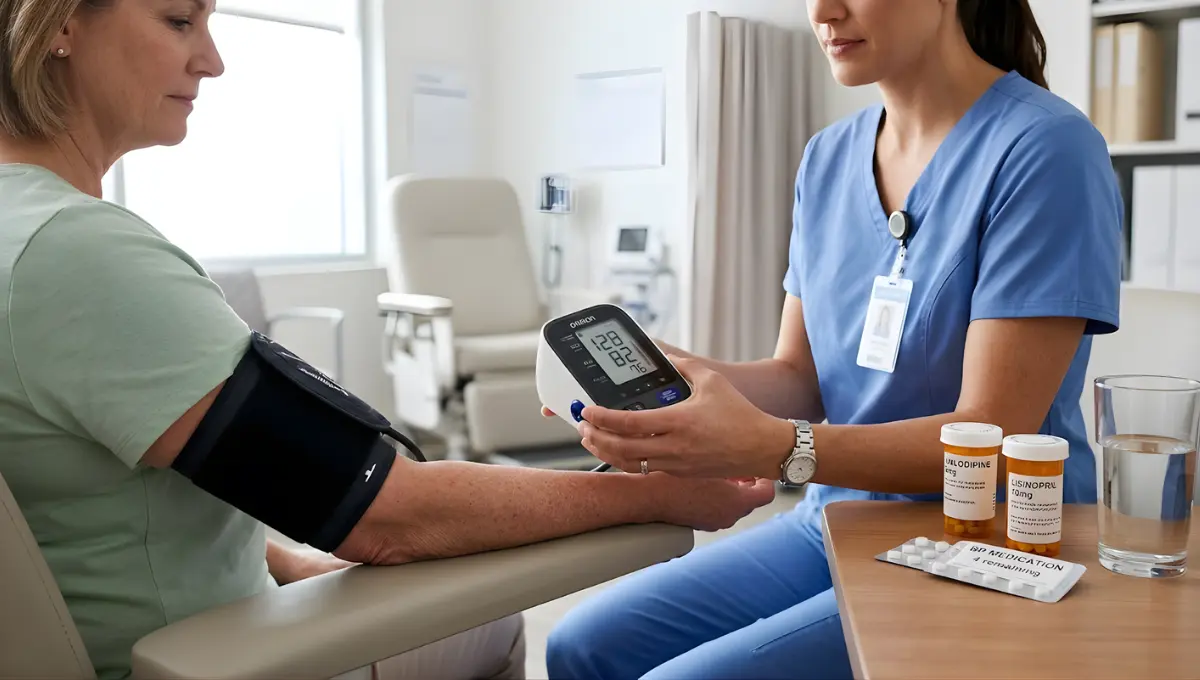

Blood pressure medicines help control high or low BP by relaxing blood vessels, reducing fluid, or increasing vascular tone. Common drugs include ACE inhibitors, ARBs, beta blockers, and diuretics, while low BP may require Midodrine or Fludrocortisone. Always take medication under medical supervision.
Finding the right blood pressure medicine can feel overwhelming. Whether you are dealing with a sudden spike or struggling with dizzy spells from low pressure, you need clear answers. This guide covers everything you need to know about managing your numbers safely.
Table of Contents
What is Blood Pressure?
Blood pressure is the force of your blood pushing against your artery walls as your heart pumps.
A normal blood pressure reading is typically around 120/80 mmHg. The top number measures systolic and diastolic pressure is the bottom number measures diastolic pressure. When this force is too high, it damages your heart. When it is too low, your organs do not get enough oxygen. Understanding your numbers is the first step in hypertension management.
What is Blood Pressure Medicine?
Blood pressure medications help regulate the force of blood flow in your body to prevent serious health issues.
Doctors prescribe these medicines when diet and exercise alone cannot stabilize your numbers. A high blood pressure medicine relaxes blood vessels or removes excess fluid. Conversely, a hypotension treatment medicine increases vascular tone to raise blood pressure. You need this medication to prevent strokes, heart attacks, or fainting spells.
Types of High Blood Pressure Medications
High blood pressure medicine works in different ways to lower your numbers safely and protect your heart.
The kind of right medicine for hypertension depends on your own health requirements. There are a number of categories of drugs doctors choose from. The standard antihypertensive drugs list is as follows:
ACE Inhibitors
These medications help to relax your blood vessels to prevent the development of a natural chemical that constricts them. They protect kidney function, especially in patients with diabetes.
ARBs
Angiotensin II Receptor Blockers (ARBs) work similarly to ACE inhibitors. They block the action of the vessel-narrowing chemical instead of its formation.
Beta Blockers
This blood pressure medicine eases the load on your heart. They slow your heart rate and work less hard, in effect reducing your blood pressure.
Calcium Channel Blockers
These medications block calcium entry into the blood vessels and muscle cells of your heart. This enables the blood vessels to expand and become relaxed.
Diuretics
Diuretics are often referred to as water pills, and they aid your kidneys in eliminating unwanted sodium and water in your body. This decreases the volume of blood, thereby decreasing pressure.
Medicine Types and Functions Table
| Medicine Type | Example | Function | Side Effects |
|---|---|---|---|
| ACE Inhibitors | Lisinopril | Relaxes blood vessels | Dry cough, dizziness |
| ARBs | Losartan | Blocks vessel-narrowing chemicals | Headache, fatigue |
| Beta Blockers | Atenolol | Slows heart rate | Cold hands, fatigue |
| Calcium channel blockers | Amlodipine | Relaxes vessel walls | Swollen ankles, flushing |
| Diuretics | Hydrochlorothiazide | Removes excess fluid | Frequent urination, thirst |
Combination Therapy for High Blood Pressure
In many cases, a single medicine is not enough to control blood pressure. Doctors may prescribe a combination of two or more medicines for better results.
Common combinations include:
- ACE inhibitor + diuretic
- ARB + calcium channel blocker
- Beta blocker + diuretic
Combination therapy improves BP control and reduces the risk of complications.
Medicines for Low Blood Pressure (Hypotension)
Low blood pressure is treated to raise the volume of blood and widen blood vessels to ensure satisfactory blood flow.
Numerous health sites overlook low BP, whereas hypotension causes and cures are critical to everyday operations. You may have to take a special blood pressure medicine if you always feel dizzy, weak, or faint.
When Low BP Needs Treatment
It can be treated only when low blood pressure has severe symptoms such as fainting, blurred vision, or extreme fatigue. To take medicine for low BP weakness, a doctor will have to assess you.
Common Medicines
There are two drugs that doctors tend to use to increase blood pressure.
- Midodrine constricts the blood vessels to elevate pressure.
- Fludrocortisone enables your kidneys to helps retain sodium to increase blood volume.
Natural Ways to Increase BP
Low pressure does not always mean that it should be controlled by a pill. Add more water to elevate the blood volume. Add a little more salt to your diet. Wear compression stockings to prevent sore legs.
High BP vs Low BP Treatment
To have knowledge about the high BP and low BP difference treatment is vital in maintaining your heart health in the proper manner.
| Feature | High BP (Hypertension) | Low BP (Hypotension) |
|---|---|---|
| Primary Goal | Relax vessels, remove fluid | Tighten vessels, retain fluid |
| Common Medicines | Amlodipine, Telmisartan | Midodrine, Fludrocortisone |
| Dietary Focus | Low sodium, high potassium | Increased sodium and fluids |
| Physical Activity | Daily cardio exercises | Slow position changes |
| Risk if Untreated | Heart attack, stroke | Fainting, organ damage |
Blood Pressure Medicine Names in India
The knowledge about the precise blood pressure tablets names in India will assist you in locating the affordable and effective medications in the local pharmacy.
The Indian physicians often prescribe certain molecules that are very effective in the local community. The most popular BP tablet names are as follows:
- Amlodipine: It is a calcium blocker that is extremely popular for relaxing the blood vessels.
- Telmisartan: ARB is a popular drug with great BP control in 24 hours.
- Losartan: The second affordable ARB that is commonly utilized for patients with kidney problems.
- Atenolol: This is a typical beta-blocker that is used to regulate heart rate.
How to Choose the Right BP Medicine
The most appropriate blood pressure medicine will absolutely be based on your age, current health conditions, and general lifestyle.
There is no universal pill. You have to enquire with your physician about which blood pressure medicine is best in your case.
- According to the age: The elderly patients are usually responsive to calcium channel blockers or diuretics.
- Diabetes patients with heart issues: ACE inhibitors and ARBs are the choices since they safeguard the kidney and the heart.
- Pregnancy factors: Some of these heart health medicine is not safe during pregnancy, and it requires specialized care.
Best Blood Pressure Medicine Based on Condition
| Condition | Recommended Medicine Type |
|---|---|
| Diabetes | ARBs, ACE inhibitors |
| Elderly | Calcium channel blockers |
| Heart disease | Beta blockers |
| Kidney disease | ACE inhibitors, ARBs |
| Mild hypertension | Diuretics |
Blood Pressure Medicine Side Effects
All blood pressure drugs are associated with side effects, some mild, like a feeling of dizziness, some serious, like an allergic reaction.
Your doctor may adjust medications to find the best option for BP medicine with the fewest side effects.
- Common side effects: Dizziness, dry cough, frequent urination, fatigue, and cold hands.
- Serious side effects: Swelling on the lips or face, extreme shortness of breath, and dangerously slow heart rate require immediate emergency care.
How to Take BP Medicines Safely
It is important to take the medication at the appropriate time, in the right dose, to have a stable blood pressure.
These step-by-step BP control tips should be followed to optimize the performance of your medication and to reduce risks.
Best Time to Take
You should always take your blood pressure medicine at the same time on a daily basis to ensure that you have consistent blood pressure. Other physicians prescribe some pills at night so that the BP spikes in the morning can be avoided.
Missed Dose
In case you forget the dose, take it immediately. Skip the missed dose when you are nearly due to take your next medication. Do not even take twice your dose to make up.
Overdose
An overdose may be so dangerous that it causes your blood pressure to be too low (hypotension). Get medical care immediately in case of overdosing on the pills and feeling dizzy, lightheaded, or faint.
How Long Does Blood Pressure Medicine Take to Work?
Blood pressure medicines do not always work instantly. Some medicines start lowering BP within a few hours, while others may take 1 to 2 weeks to show full effect.
- Diuretics may act within hours
- ACE inhibitors and ARBs usually take a few days to stabilize BP
- Full benefits are often seen after consistent use
Regular monitoring is important to check if your medicine is working properly.
Lifestyle Tips to Support BP Control
How to control BP with medicine is done by combining the drugs that are prescribed with a good lifestyle that is active and healthy.
Blood circulation drugs work well with proper daily practices.
- Consume a well-balanced diet with high levels of fruits, vegetables, and whole grains.
- Exercise for at least 30 minutes most days of the week.
- Train stress management by meditation, deep breathing, or yoga.
When to See a Doctor
You are advised to consult the doctor instantly if the reading on your blood pressure is suddenly high or low, even after you have taken your blood pressure medicine.
Physicians’ Recommendation: Do not self-prescribe any medication or alter dosage. Can BP medicine be stopped suddenly? Absolutely not. The abrupt termination can lead to a process of rebound that is life-threatening, leading to a heart attack or stroke. Always call a medical expert whenever there is an emergency alert, such as pain in the chest, intense headaches, or numbness.
Hypertensive Crisis Warning
A blood pressure reading above 180/120 mmHg is considered a medical emergency.
Symptoms may include:
- Severe headache
- Chest pain
- Difficulty breathing
- Vision problems
Seek immediate emergency care if these symptoms occur.
Conclusion
It takes good medicine and good daily routines to achieve control of your blood pressure.
Regularity is the key, whether you require a high blood pressure medicine to reduce your blood pressure or a low blood pressure treatment to avoid fainting. You have to always closely cooperate with your doctor in discovering the best BP medicine with least side effects on your body. Check your blood sugar levels every day, take medication regularly, and do not decrease or increase your blood pressure medication without the recommendation of a health professional.
Medical Disclaimer
The data presented in this article should be used as a source of education and nothing more. Before starting, stopping any BP medicine, or before alternating any blood pressure medicine, it is always advisable to consult a qualified healthcare provider.
Sources:
- World Health Organization (WHO)
- American Heart Association (AHA)
- Mayo Clinic
- Cleveland Clinic
- National Health Service (NHS)
Frequently Asked Questions (FAQs)
Common Indian brands and generic names include Amlodipine, Telmisartan, Losartan, Atenolol, and Ramipril.
No, stopping your medication suddenly can cause a dangerous spike in blood pressure called rebound hypertension. Always taper off under a doctor’s supervision.
Doctors typically prescribe Fludrocortisone to boost blood volume or Midodrine to restrict blood vessels for low blood pressure treatment.
The best blood pressure medicine depends on your condition. Doctors commonly prescribe ARBs, ACE inhibitors, or calcium channel blockers
In an emergency, doctors use intravenous (IV) medications in a hospital setting. At home, sit quietly, practice deep breathing, and take any prescribed rescue medication.
ARBs (like Telmisartan and Losartan) generally have the lowest rate of side effects compared to other blood pressure medications.
Yes, generally, a high blood pressure medicine is highly safe for lifelong use when monitored regularly by a healthcare professional.
The only way to know is by checking your numbers regularly with a home monitor. If your readings stay consistently around 120/80 mmHg, the medicine is working.
Your blood pressure may temporarily rise. Simply take the next dose at your regular time without doubling up on the pills.
Yes, hypertension is usually a chronic condition. Many people safely take their blood pressure medicine daily for their entire lives to prevent heart disease.
Most people need to take blood pressure medicine long-term or for life to prevent complications.
Yes, doctors often prescribe a combination of medicines for better blood pressure control.
You must be logged in to post a comment.