
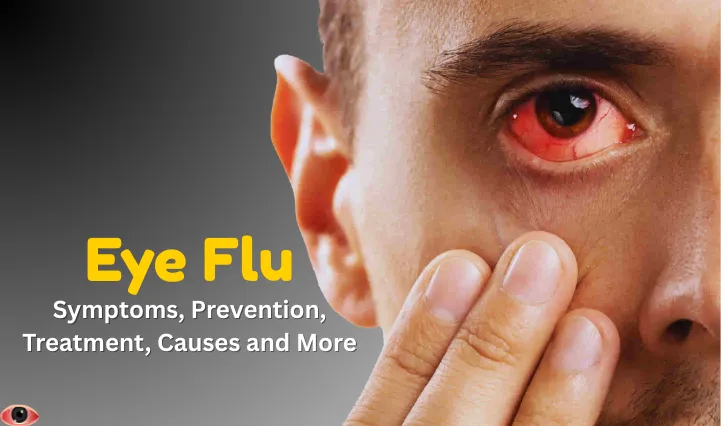

Eye infections are extremely common, particularly in months of seasonal changes, i.e. monsoon and summer. Eye Flu also referred to as viral conjunctivitis is one of the infections that spread very fast. The cases of eye flu have been rising greatly in recent years, and thus it is necessary to know what it is, its mode of spread, and how we can prevent it.
In case of red eyes, itching, and irritation, or watery eyes, you might have eye flu. This is a complete guide to the eye flu, its causes, symptoms and treatment choices, precautions, duration and home remedies among others.
Table of Contents
What Is Eye Flu?
Viral conjunctivitis, or eye Flu, is an infection of the conjunctiva, or transparent, thin surface, which covers the white part of the eye, and lines the inside of the eyelid. This makes eyes appear red, wet, and swollen when this membrane gets inflamed.
Eye flu is extremely contagious thus it can easily be transmitted via body contact, dirty surfaces, coughing, sneezing or transfer of personal things. Though in most cases, it may be very uncomfortable when not treated.
Is Eye Flu Serious?
Eye flu is not harmful in the majority of the cases and heals in 5-7 days with proper care. Nevertheless, more serious forms can be treated by a doctor, particularly, in case the infection has penetrated the cornea or has taken more than 10-14 days.
Read More About – Systane Ultra Eye Drops: Uses, Side Effects, and Safety Tips
Eye Flu (Conjunctivitis)Types
Conjunctivitis is of three major types:
1. Viral Conjunctivitis
- Most common form
- Caused by adenoviruses
- Highly contagious
- Transmits quickly in schools, offices and other places.
2. Bacterial Conjunctivitis
- Bacterial infections such as Staphylococcus or Streptococcus cause it.
- Causes yellow or green discharge.
- Needs antibiotic treatment
3. Allergic Conjunctivitis
- Bringing about by allergens such as dust, pollen, pollution or smoke.
- Not contagious
- Brings about severe itching and watery eyes.
Viral conjunctivitis is usually considered as Eye Flu.
What Causes Eye Flu?
Eye flu can be provoked by a number of factors, the main cause of which is a viral infection that is transmitted either directly or indirectly. Common causes include:
1. Touching with Dirty Hands
The most common cause is hand germs, which infect the eye.
2. Sharing Personal Items
Such as towels, eye makeup, sunglasses, and handkerchiefs.
3. Contact with Infected persons
A handshake with an infected person can contract the virus.
4. Poor Hygiene
Failing to wash your hands frequently exposes you to the risk of infections.
5. Using Contaminated Water
Bacteria or viruses can be introduced in swimming pools, contaminated water or dirty tap water.
6. Allergies or Pollution
These undermine the immunity of the eyes and predisposes them to infection.
Symptoms of Eye Flu: The Recognition
The early identification of eye flu is a means of preventing its transmission and also minimizing pain.
Common Symptoms Include:
- Red or pink eyes
- Watery discharge
- Pain or itching of burning.
- Sensitivity to light
- Swollen eyelids
- A coarse touch (as though something has become lodged)
- Tears flowing continuously
- Mild pain
- The eye-sticky, particularly in the morning.
These symptoms require you to avoid contact with your eyes and practice good hygiene in case you see them.
Read More About – Moxifloxacin Eye Drops: Uses, Side Effects & Precautions
How Eye Flu Spreads
Eye flu is highly transmittable and may be transmitted in several ways:
1. Direct Contact
Contact with the eyes of a patient.
2. Indirect Contact
Sharing objects such as towels, pillows, mobile phones, and makeup.
3. Airborne Transmission
Sneezing and coughing lead to production of viral droplets.
4. Contaminated Water
Washing the face or swimming in contaminated water.
5. Handling Contaminated Surfaces.
Door handles, desks, elevator buttons, poles on the public transport.
Due to such methods of transmission, eye flu has been spreading very fast in the schools, working environments, hostels, and busy places.
How Long Does Eye Flu Last?
Depending on the type and severity, the period is:
| Type of Infection | Duration |
|---|---|
| Viral Eye Flu | 5-7 days (can go up to 2 weeks) |
| Bacterial Eye Infection | 7-10 days with antibiotics |
| Allergic Conjunctivitis | As long as allergens persist |
The majority of the cases are self-limiting, with treatment minimizing the symptoms and discomfort.
How to Treat Eye Flu: What You Must Do?
Viral eye flu usually heals itself but correct medication can accelerate the healing process and eliminate complications.
1. Cold Compress
Placing a cold cloth on your closed eyes make you feel better from swelling, burning sensation, and redness.
2. Lubricating Eye Drops
Irritation can be calmed down with artificial tears or lubricating drops prescribed by the doctor.
3. Avoid Contact Lenses
Lenses may also make infection worse and lead to more irritation.
4. Maintain Cleanliness
Wipe your hands with different towels, wash your hands too often, and do not rub your eyes.
5. Antibiotic Drops (only in case of bacteria)
These are doctor prescribed and aid in treating bacterial conjunctivitis.
6. Antihistamine Eyedrops (For Allergies)
These assist in relieving itching and watering.
7. Adequate Rest
Avoid exposure and screen time.
Read More About – Foods That Help Improve Your Eyesight Naturally
Home Remedies for Eye Flu
Home remedies cannot cure the flu in the eyes; however, with the help of home remedies one can alleviate the pains. Do not forget to keep clean in order to prevent infection.
1. Cold Water Splash
Wash your eyes using cool fresh water to cool them.
2. Rose Water Drops
A drop of pure rose water can help in alleviating irritation (visit doctor in case of severe infection).
3. Aloe Vera Gel (External only)
Inflammation can be prevented by applying a thin layer of aloe vera gel around the eyes.
4. Green Tea Bags
Tea bags which feel cold when refrigerated decrease puffiness and redness on closed eyelids.
5. Cucumber Slices
Assist in itching and cooling the eyes.
Caution: Do not use dirty water, honey, oil or any chemical solution in your eyes because they can only aggravate the situation.
What to Avoid During Eye Flu
To accelerate healing, do not do the following:
- A rub or a touch of your eyes.
- Using the same towels, pillows or make-up.
- Using makeup
- Using contact lenses
- Going to crowded places
- Self-prescribing eye drops.
- Contact with dust and pollutants.
The rubbing of your eyes transmits the infection and even leads to corneal scratches.
Prevention: The Ways to Protect Yourself Against Eye Flu
It is always best to prevent rather than cure. The following are the ways in which you can minimize the chances of contracting eye flu:
- Wash your hands frequently
- Do not touch your face or eyes.
- Personal towels and pillow covers.
- Wear protective glasses on the street.
- Do not swim in the pools in times of outbreaks.
- Keep order in the social areas.
- Change eye makeup after every few months.
- Do not share make-up or accessories.
Following proper hygiene is the best way to protect yourself from eye flu.
Eye Flu in Children
Kids are more prone to eye flu because they:
- Touch surfaces frequently
- Forget hygiene
- Share items with friends
- Rub their eyes often
Parents should ensure:
- Kids do not touch their eyes
- Towels and bedding are changed daily
- Schools are informed if the infection is contagious
- The child stays at home until recovery
When to See a Doctor
While mild cases heal naturally, consult a doctor if you notice:
- Vision changes
- Intense pain
- Yellow/green discharge
- Severe swelling
- Light sensitivity
- Symptoms lasting more than 7–10 days
- High fever along with eye symptoms
These may indicate a bacterial or more serious infection.
Complications If Eye Flu Is Ignored
Most cases are mild, but neglecting treatment can lead to:
- Corneal infections
- Blurred vision
- Severe swelling
- Secondary bacterial infection
- Persistent redness
- Scarring of the eye surface
Immediate treatment prevents long-term issues.
Eye Flu vs Common Cold Eye Irritation
Eye flu is often confused with normal eye irritation from dust or allergies. Here’s the difference:
| Feature | Eye Flu | Common Cold Eye Irritation |
|---|---|---|
| Contagious | Yes | No |
| Symptoms | Redness, watery eyes, discharge | Itching, watery eyes |
| Cause | Virus | Dust, pollen |
| Duration | 5-7 days | Fluctuates |
| Treatment | Hygiene, drops | Anti-allergy meds |
Conclusion
Eye flu is common but highly contagious. Complications may be prevented by early diagnosis, good hygiene, and immediate treatment, which will prevent the further infection of other people. In case of the symptoms persistence or aggravation, consult a doctor.
Eye flu can be easily prevented by following certain precautions such as washing hands, not rubbing your eyes and maintaining your personal hygiene.
Frequently Asked Questions (FAQs)
Ans. Yes, it spreads easily through contact, sharing items, and touching infected surfaces.
Ans. Typically 5–7 days; sometimes up to two weeks.
Ans. Yes. It often starts in one eye and spreads to the other.
Ans. Yes. Avoid lenses until the infection is fully cured.
Ans. Avoid going as it is contagious and may spread to others.
Ans. Only if prescribed for bacterial infection. Viral eye flu doesn’t need antibiotics.
Ans. No, but ignoring symptoms can lead to complications affecting vision.
You must be logged in to post a comment.