
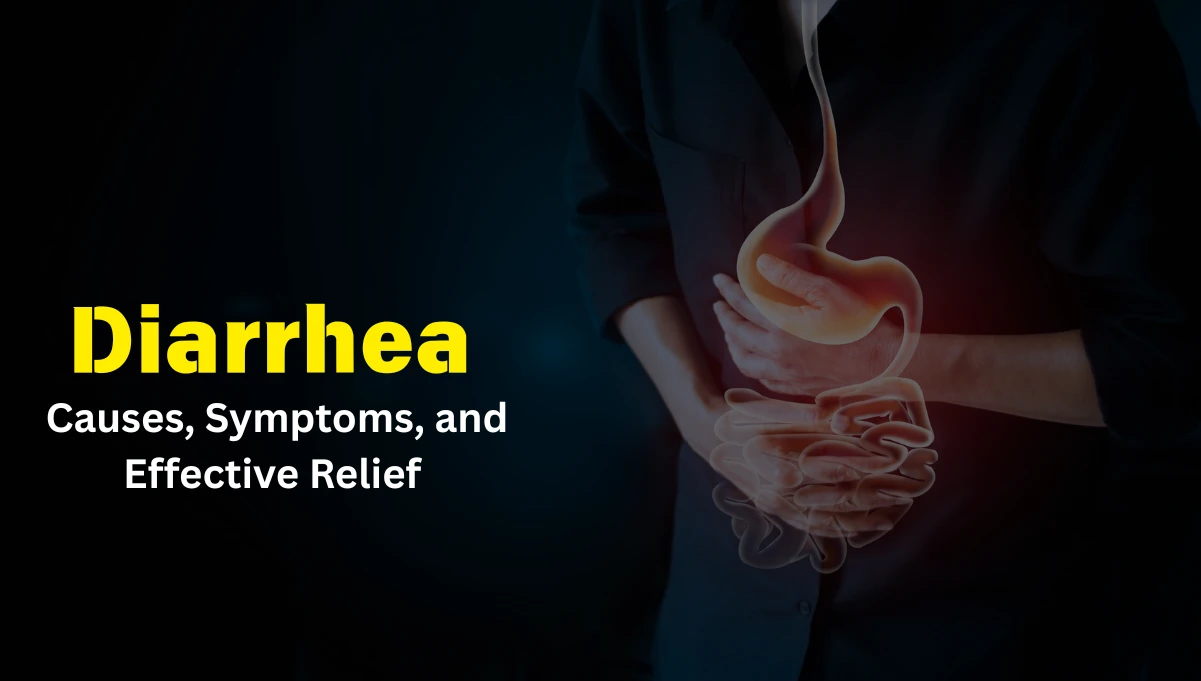

And we have all experienced that urge that someone is suddenly and desperately pushing their way into the environment. Diarrhea is a universal, no-fun situation, but it does not have to be the case. Whether it be a case of diarrhea in and of itself, or a situation in which you find yourself in a more trying condition, to know what you are dealing with and how you might remedy the situation, you would be well on your way to feeling better. This, in understanding when you should seek assistance.
Table of Contents
What is Diarrhea?
Put plainly, diarrhea is having loose stools that are watery in nature three or more times a day. It occurs when something occurs, which disrupts your digestive system. Normally, the water and nutrient content of what you eat is absorbed by your intestines and turns into solid waste matter. When this process is sped up or interrupted, the result is the bad, unformed stools that we are all familiar with. It’s incredibly common, where most people do have some form of this most of their adult life, probably like once or twice a year, and very often it will go away on its own, even without taking medication, in a couple of days.
Read More About – Rifagut 550: Uses, Side Effects, Dosage, and Precautions
Diarrhea Symptoms
The primary symptom is quite obvious – frequent loose stools. But diarrhea symptoms come lumped together with an entire cast of supporting pains. You might also experience:
- Abdominal cramps and constipation are characterized by bloating.
- Have a strong, urgent urge to have the bathroom, and
- Nausea with, at times, vomiting.
Nevertheless, when the disease is more serious, you will need to watch out for symptoms such as fever, the use of blood and mucus in diarrhea, and weight loss. The ultimate problem of diarrhea is dehydration. Examples are of extreme feeling thirsty, of feeling dry in the mouth, of the urine becoming darker than usual, of feeling lightheaded, and of feeling fatigued. Among children, there is a decrease in diapers, an inability to weep after crying, and subjective sleepiness.
Diarrhea Causes
So, what flips the switch? The causes of diarrhea are varied, but when dealing with infections, they are the most prevalent causes of diarrhea:
- Viruses: Norovirus and rotavirus (usually called “stomach flu”) are common offenders.
- Bacteria & Parasites: Contaminated food or water can lead to the introduction of germs such as E. Coli or parasites and cause a problem such as “traveler’s diarrhea.”
- Medications: Medicines have been a classic cause, especially those that target the microorganism known as antibiotics – they kill the good on their respective glycosensors, in addition to the bad. Other medications, such as antacids containing magnesium or cancer treatment, may be the cause as well.
- Food Issues: This involves some form of intolerance (i.e., to lactose/ fructose or to artificial sweeteners sorbitol and mannitol or a disease like celiac disease.
- Chronic Conditions: Chronic diarrhea could be the effect of such conditions as Irritable Bowel Syndrome (IBS) and Crohn’s, or ulcerative colitis.
Read More About – Inflammation: Types, Signs, Causes, Treatment & Prevention
Types of Diarrhea
Diarrhea can be classified by the time span of the manifestations, and it helps determine the way of treatment approach:
- Acute Diarrhea: This one is the most likely. It is an acute liquid diarrhea during 1-2 days, and self-limiting; it can be either a result of the viral bug or food poisoning.
- Ongoing Diarrhea: It takes a period of 2 to 4 weeks. A physician should pay closer attention to this.
- Chronic Diarrhea: The problem corrects and does not extend beyond 4 weeks. This is mostly related to a disease that is underlying and needs to be medically diagnosed and treated.
Treatment of Diarrhea
The general treatment for diarrhea will be to manage that situation by avoiding dehydration, and it will not necessarily focus on stopping the diarrhea immediately (since that could mean your body is ridding itself of an invader). Here’s a plan:
- Rehydration: It is also a very important process. Drink lots of fluids. Water is, however, a good concept, though some broths, rehydrating drinks, and even diluted fruit juice are also good since electrolytes are being replaced. Besides that, avoid taking caffeine and alcohol, which will result in further dehydration of the body.
- Eat Mindfully: In case you are ready, you should start by eating bland and easy-to-digest foods. There is the notorious BRAT diet (Bananas, Rice, Applesauce, Toast), which is a great dieting regimen, or the crackers, boiled potatoes, and lean proteins.
- Consider OTC Relief: Over-the-counter medicine for diarrhea, such as bismuth subsalicylate (Pepto-Bismol), will lessen the symptoms as well as your stomach. Important: These do not always good – for some infections caused by bacteria or for children – Rentor nobility in the docent or chemist is indispensable.
- Treat the Root Cause: If a doctor is sure there is a bacterial infection, he or she may prescribe some antibiotics. For chronic diarrhea, treatment of the underlying condition (like IBS) is what it takes to treat diarrhea.
When to Seek a Doctor for Diarrhea
Most fights are passed without incident, but there are warning signs that it is time to call in the professional. Empowered by storage in the DNA, the cell has multiple options when it is, namely to do the following:
- Diarrhea that does not get better in two days (in adults) or 24 hours (in children).
- Any signs of moderate to severe dehydration (little/no urination, can’t stand up straight, dry mouth, and so on).
- Abdominal or rectal pain of high degree.
- A fever above 101°F (38°C).
- Stools that appear black, tarry in nature, or are strewn with blood or pus.
- Frequent vomiting makes you unable to keep liquids down.
- For infants or an elderly person with a weaker immune system, each should seek help sooner, since dehydration may set in quickly.
You must be logged in to post a comment.