
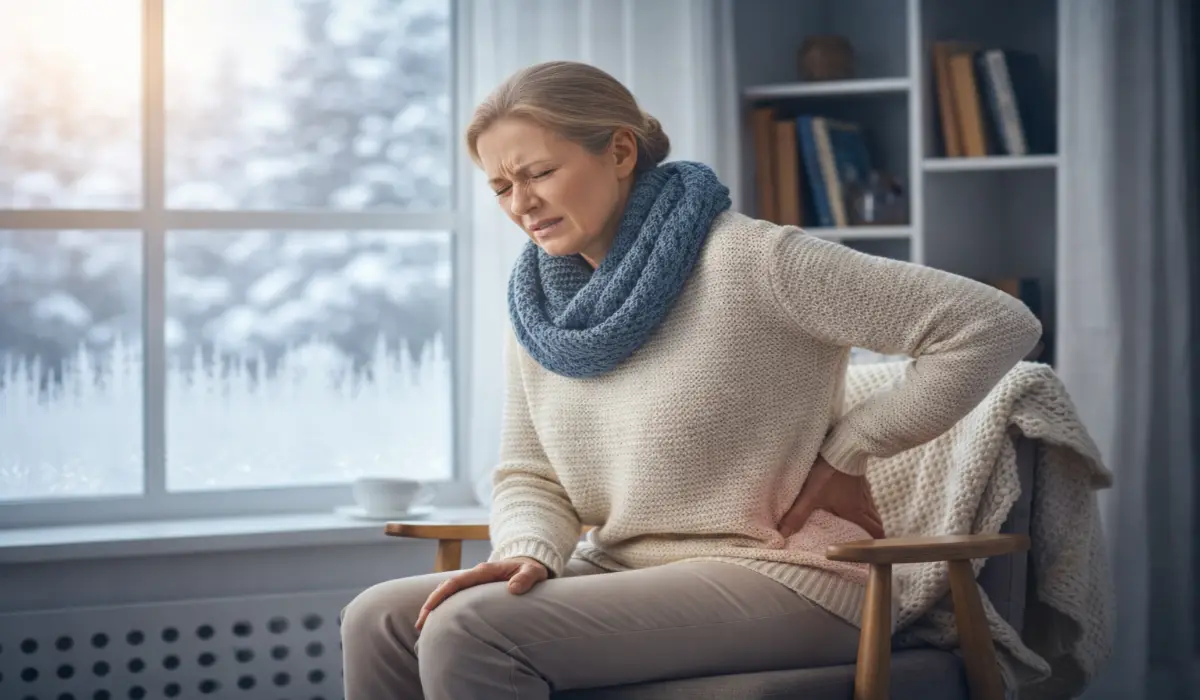

Cold weather, sciatica, and lower back pain might increase because of stiffness of muscles, decreased movement and enhanced nerve sensitivity. It is crucial to know when to consult an orthopedic specialist in my area or spine specialists in my area to avoid permanent nerve damage.
Table of Contents
Introduction
In general, back pains and sciatica are typically more problematic in winter because of stiffening of muscles, lack of exercise and alteration of sleep and posture. Cold temperature may constrict spinal muscles, cause the pressure on nerves to augment and bring about prevailing lower back disorders to be more excruciating. Without attention to the symptoms, irritation of the sciatic nerve can evolve to pain shots, numbness or weakness of the leg.
How Does Winter Increase Back Pain and Sciatica Risk?
The colder seasons may affect the spine and the muscles around it in various ways, putting the patient at risk of having sciatica symptoms.
- Increased Muscle Tension: Cold weather can lead even to the tightening of paraspinal muscles, which places more stress on joints and discs of the spine.
- Deconditioning: It decreases the core and lumbar stabilising muscles, thus raising the risk of nerve compression.
- Higher Pain Sensitivity: Lower temperature, insomnia may increase central pain.
- Indoor Pollution and Sleep Disturbance: Unhealthy indoor air and disrupted sleep can make pain and slow recovery.
Recognising Sciatica – Typical Features and Prognosis
The symptoms of sciatica are typical and it can be easily differentiated by the common back pain.
Common Features of Sciatica:
- Acute, stinging or burning pain in the buttocks and the leg, which is usually below the knee.
- The affected experience numbness, pins and needles or weakness.
Typical Course and Recovery:
Through rest, physiotherapy and medication, many people do get better in four to twelve weeks. Constant pain, progressive numbness or weakness are indicators of a specialist who needs to be consulted by an orthopaedician close to my location.
Long-Term Outlook:
Core strengthening and activity modification could help to decrease the chance of chronic pain in timely physiotherapy. Review by the specialist at the early stage allows saving nerve functions.
Immediate Self-Management for Winter Sciatica
Self-management plans may be used to alleviate the symptoms prior to a specialist assessment. Below are helpful measures.
- Maintain Mobility: Walk regularly or do mild exercises with lumbar mobility rather than spending much time in bed.
- Use Heat and Correct Posture: Local heat can be used to decrease muscle spasm. Keep in an upright sitting position supported by the lumbar area.
- Core Stabilisation Exercises: Pelvic tilts, mild bridging and guided exercises could be used to maintain the stability of the spine under the guidance of a professional.
- Activity Modification: Do not lift heavy, twist, and sit in a slouched position. Sit on ergonomics and have frequent movement breaks.
- Improve Sleep Quality: Supportive mattress and pillow positioning. Ensure indoor air purity to sleep better and feel pain.
When to Seek Immediate Specialist Attention?
Other symptoms point to severe involvement of the nerves and have to be treated as an emergency.
Book urgent care or an orthopaedician near me if you experience:
- Weakness of legs (new or aggravating).
- Loss of the ability to walk or stand on the hands and knees.
- Incontinence of the bladder or bowel.
- Pain or numbness of inner thighs or groin (saddle anaesthesia)
- Night pain, ruthless, uncompromising.
Such symptoms could show cauda equina syndrome or severe compression of the nerves. You may also consult an orthopaedician in Chennai for emergency in-person assessment.
Clinical Evaluation and Investigations for Sciatica
A clinical and imaging systematic method aids in the detection of the etiology and the intensity of sciatica.
- Clinical Evaluation: This will involve the aspect of neurological examination, reflex examination, sensory examination, straight leg raise test and mobility examination.
- Imaging Strategy: MRI would be used where the neurological weakness continues after six weeks or surgery is under consideration. X-rays can be applied to traumas or structural suspicion.
- Electrodiagnostic Tests: Nerve conduction studies or EMG can be conducted in the complex or unresolved cases to identify the location of nerve involvement.
Specialist Treatment Pathways and Expected Outcomes
The treatment varies based on the severity of symptoms, the self-management and radiographic outcomes.
- Conservative Management: It involves physiotherapy, prescribed pain relief and guided exercises. The majority of the patients improve with time.
- Interventional Options: Image-guided epidural steroid injections or selective nerve root injections can be applied in the case of persistent nerve pain.
- Surgical Pathway: Operations like a microdiscectomy or decompression are thought when pain is acute or progressive neurological deficit is observed through MRI.
- Multidisciplinary Rehabilitation: The participation of physiotherapists, pain specialists and occupational therapists facilitates to prevent recurrence.
Preparing for Your Specialist Consult
It is important to prepare some essential information prior to your appointment to get the orthopaedician planning your treatment.
- Maintain a symptom list that records pain pattern, leg symptoms and activities that exacerbate or alleviate the pain.
- Record functional impairment like walking range, sitting or work problems.
- Bring past imaging reports and medication or physiotherapy history.
- Make questions concerning MRI requirement, treatment time, red flags and injections or surgery requirement.
How to Book a Spine or Orthopaedic Consult?
Find spine specialists near me, orthopaedicians near me, best orthopaedicians near me or specialist orthopaedicians near me on Apollo 247. An orthopaedician in Chennai can also be selected in case local examination is required. Choose a teleconsult or an in-clinic visit and prepare topical medical reports to go through them.
Conclusion
In most cases, cold seasons exacerbate back pain and sciatica, although self-management at the early stages alleviates the symptoms. Such warning symptoms like loss of bladder or bowel control, progressive weakness, or numbness around the groin should be treated with the immediate help of an orthopaedic specialist who lives in my area. If pain persists or affects daily life, booking an orthopaedician near me through Apollo 24|7 ensures timely assessment and a personalised recovery plan. In-person care can also be obtained by an orthopaedician in Chennai.
You must be logged in to post a comment.