
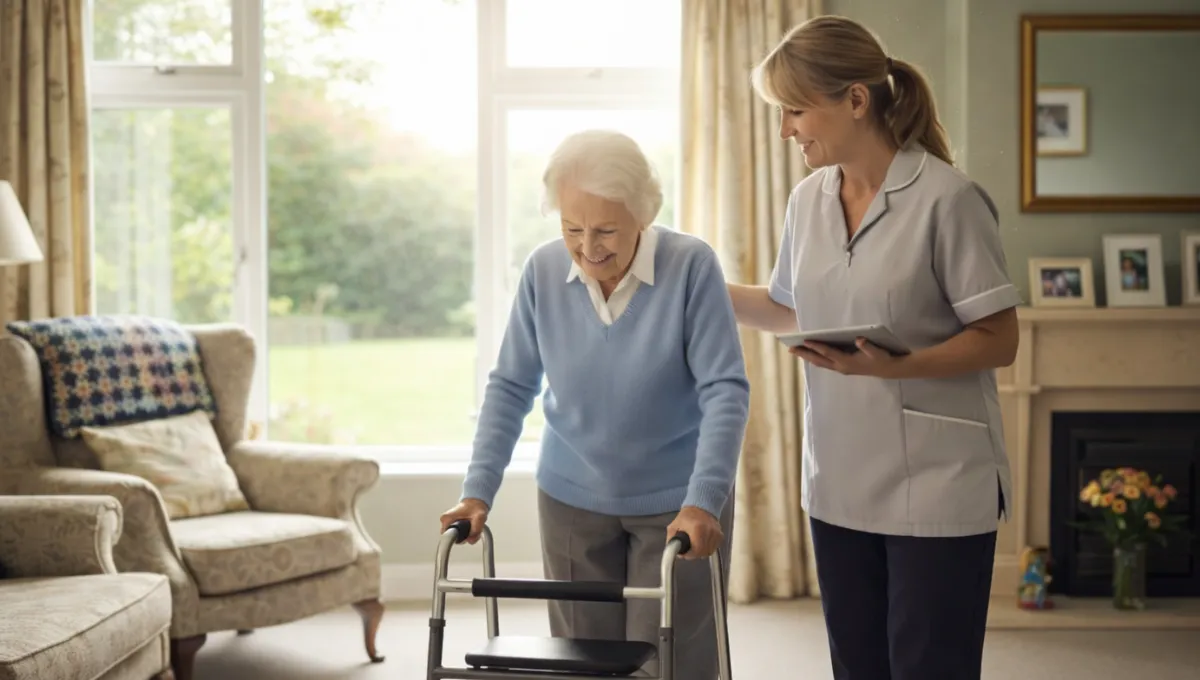

As our parents grow older, we slowly begin to notice small changes. Maybe the house is not as tidy as before. Maybe medicines are lying untouched on the table. Maybe they repeat the same story twice in one phone call.At first, we ignore it. We tell ourselves, “It’s just age.”
But sometimes, these small changes are gentle warning signs that they may need extra help.
In India, the elderly population is growing very fast. According to the Government of India’s Longitudinal Ageing Study (LASI), nearly 1 in 5 senior citizens lives with at least one difficulty in daily activities like bathing, dressing or walking. Although many families attempt to handle everything themselves, professional home care can make life safer and more comfortable for both parents and their best-behaved children.
Let’s look at some signs more closely.
Table of Contents
Changes in Personal Hygiene and Grooming

A decrease in personal care is among the first indicators that families notice. A parent who used to be very picky about what they wore might start dressing the same way for days at a time. Hair may remain uncombed. Bathing becomes irregular.
This is rarely about “carelessness.”
It may be because:
- Knees hurt while standing in the bathroom
- They fear slipping on wet tiles
- They feel weak and tired
- Or they simply forget
A caregiver can quietly help with bathing, dressing and grooming in a respectful manner. Sometimes, just having someone nearby for support makes a big difference in confidence.
Mobility Problems and Risk of Falls
Falls are a serious concern in old age. The World Health Organization reports that falls are one of the leading causes of injury among older adults worldwide. Even a simple fall at home can lead to fractures, especially hip fractures, which take months to recover from.
Watch for signs like:
- Holding onto walls or furniture while walking
- Difficulty getting up from bed or chair
- Avoiding stairs
- Moving very slowly out of fear
If your parent has already had one fall, the risk of another increases.
Professional caregivers can assist with walking, support exercises, and safe movement inside the house. Sometimes small changes — like installing grab bars or using a walker — can prevent major problems.
Memory Issues and Confusion
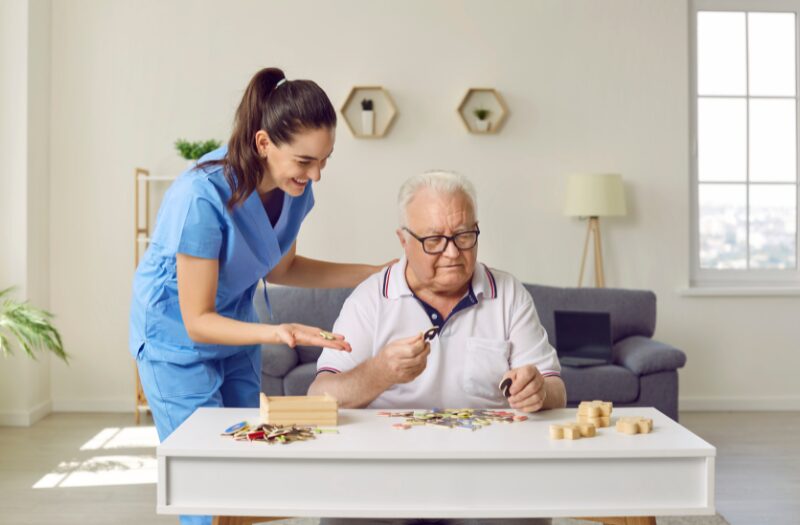
It is not unusual to forget where you put your glasses. However, forgetting to take medicines at regular intervals, getting lost in the day or a month, or even losing direction in a place that is known is not the same.
There is an increase in age-related cognitive problems occurring in India. Research indicates that millions of older Indians have some sort of dementia but a lot of them remain undiagnosed.
When panicking, it is only the nursing home that the families can do. Nevertheless, home based early support can be very effective. Caregivers can:.
- Remind patients of taking their medications.
- Setting up simple daily routines.
- Urging the seniors to engage in memory and talks.
- Make sure the house is safe.
Less anxiety and confusion is also often reduced by being in a familiar environment.
Difficulty Managing Daily Tasks
Cooking, washing and shopping groceries and paying bills might seem easy but then you need energy and concentration of the mind.
If You Notice
- Expired food in the fridge
- Piles of unwashed clothes
- Unpaid electricity bills
- Skipped meals
It could be an invitation to think that your parent is silent in suffering.
Light housekeeping, cooking and planning of daily routine can be been assisted by home care. Health is directly related to good nutrition and a clean environment.
Mood Changes and Social Withdrawal
Seniors who live alone are particularly vulnerable to loneliness. Social interaction may decline due to retirement, friend loss, or restricted mobility.
You might observe:
- Less interest in talking
- Irritation over small matters
- Sleeping too much
- Avoiding relatives or neighbours
Regular companionship from a caregiver can improve emotional wellbeing. Sometimes, what seniors need most is someone who listens patiently.
Increasing Medical Needs
The complexity of medical needs increases with age. Many elderly people take several medications every day. It can be difficult to manage several tablets at different times.
Hospital visits may result from missing doses or taking the incorrect medication. Monitoring is also necessary for post-hospital recovery. In these situations, families may require temporary equipment such as oxygen concentrators, suction machines, or adjustable beds in addition to caregiver support. Once more, renting medical equipment can ease financial strain while guaranteeing appropriate care at home.
Home healthcare support helps with:
- Medicine reminders
- Basic health monitoring
- Support after surgery or hospital discharge
This reduces stress for families and lowers the chances of emergency readmissions.
When You Feel Overwhelmed
This is a significant indication about you, not your parent.
If you experience:
- Always anxious
- Lack of sleep
- Depleted of emotions
- Unable to concentrate on work
- You might be suffering from burnout as a caregiver. And that is quite typical.
Asking for help does not make you a bad son or daughter. It shows that you understand that sometimes getting high-quality care requires professional help.
Conclusion: Choosing the right support
With their early identification, it is possible to prevent aggravation of the problems in the future. The right kind of assistance can help many seniors to lead comfortable and safe lives at their homes.
In case you want to seek some professional care, you can refer to organisations such as Icosano that provide customised home healthcare services, according to various elderly needs. And in case you are specifically seeking a Home Healthcare Service Provider in Kolkata, it may be better to select a known and caring crew that can offer tranquility to the whole family.
All the parents should be able to live with respect, security, and comfort after giving their lives to take care of us.
You must be logged in to post a comment.