
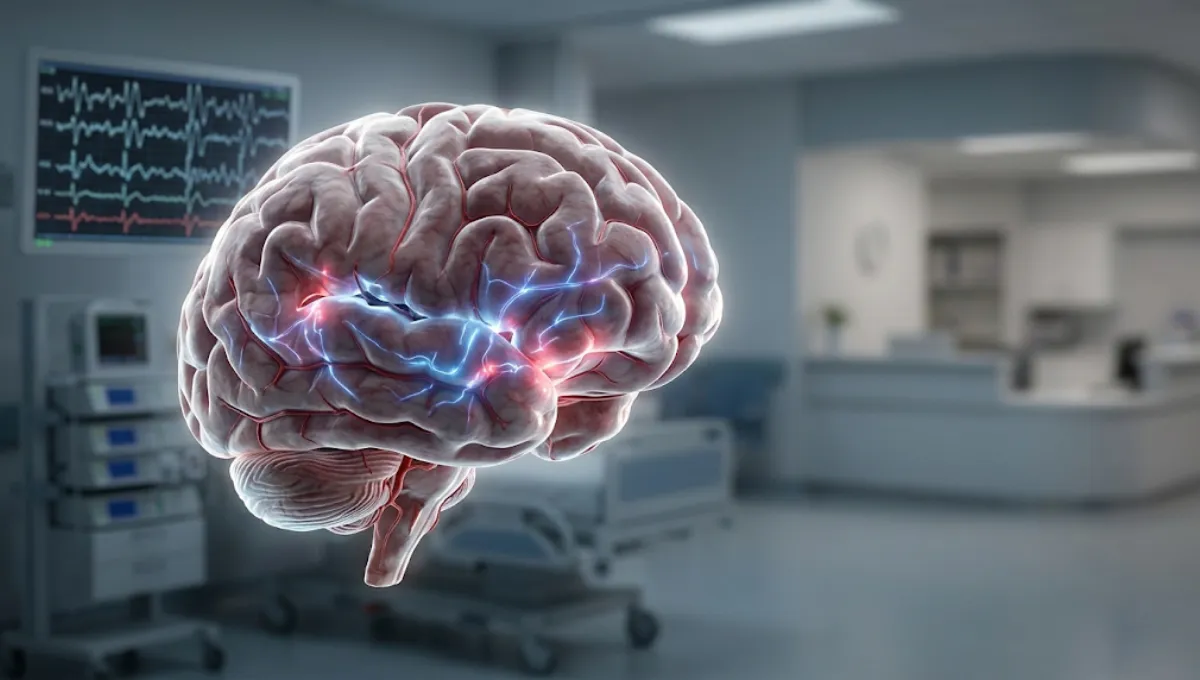

Seizures may be very scary particularly when individuals are concerned about the long term implications of such seizures to the brain. One of the most frequently and significant questions that most patients and caregivers put is: Can seizures lead to brain damage? The brief probably is that majority of the seizures do not lead to permanent damage of the brain, though there are patterns, type and length of seizures which are likely to put the risk. Learning to recognize the situations when seizures are pernicious and not assists individuals to address medical services in time and handle the disease safely. In severe cases, immediate evaluation at an emergency room in Waxahachie may be necessary to ensure proper assessment and treatment.
The seizure condition varies among individuals, as it depends on the type of seizure, frequency and duration and the overall guidelines of the brain well-being. Although other epileptics may lead normal lives with no permanent damages on the neural system, there are certain circumstances when a person should be given closer attention by the doctor.
Table of Contents
What Happens in the Brain During a Seizure?
A seizure is the adjustment of suddenly enlarged abnormal electrical activity within the brain. The normal brain communication is disrupted in the short term as neurons start firing in an uncontrolled manner. This may result in physical manifestations such as trembling or rigidity, recognition, behavior, or sensation change.
In the majority of brief seizures, the brain can restart functioning after the electric activity is restored to normal. Nevertheless, issues can appear in case of the seizures that are too long or that occur too frequently within a short interval. In this situation, it may be highly advised to proceed to the emergency such as the Altus Emergency Center, since the brain itself may be subjected to low oxygen, metabolic hypoxia, or inflammation, which can be very detrimental to the brain cells.
Can Brain Damage Be Caused by Seizures?
Seizure-induced brain damage does not occur frequently but can happen under some circumstances. These risks are increased in cases of severe, chronic and non-controlled seizures. The circumstances that are linked to increased risk are:
- Status epilepticus is a health emergency in which seizures have a duration more than five minutes or one takes place immediately after another.
- Repeated uncontrolled seizures over time
- Lack of oxygen to the brain during a seizure
- Underlying brain conditions, such as infections, tumors, stroke, or traumatic brain injury
On findings as described by epilepsy researchers during one of the biggest scientific conferences and reported by Epilepsy Foundation, has shown evidence that, in the long or often repeated seizures there can be proliferation of brain structure and function that may include loss of certain brain cells. The researchers have also observed that all seizures are not equally risky, and the consequences in the long term require much attention to the type of seizure, the time it lasts, and the health of the person.
Do All Seizures Cause Brain Damage?
No. The majority of the seizures, in particular, short-time and controlled ones are not brain-damaging. Numerous epileptic individuals have been observed to have been having seizures and by the end of the years there will be no significant loss in terms of memory, intelligence or the functionality of their brain.
Possibly single seizures which end by themselves usually do not harm brain tissue. Contemporary anti-epileptic drugs are very effective in decreasing the rates and the intensity of seizures which greatly reduce risks in the long-run period. Treatment makes the brain to work normally in between the episodes in the mind of many.
Symptoms That May Indicate Brain Damage
Signs and symptoms of a seizure may also be slow to develop and could affect all-day life, reasoning, or behavior in infrequent situations in which the seizure has affected the brain functions. Possible signs include:
- Persistent memory problems
- Inability to focus attention or to process information.
- Personality/mood changes.
- Communitatus or communis speech/language problems.
- The weak point or coordination problems.
How to Reduce the Risk of Brain Damage From Seizures
Reducing seizure-related risks focuses on prevention, consistency, and early intervention:
Medical Management
- Using anti-seizure drugs as getting deposited.
- Follow-ups with a neurologist after every two months.
- Modification of therapy in case of persistent or aggravating convulsions.
Lifestyle and Natural Prevention
- Sleeping frequently and often.
- Dealing with stress via relaxation methods including meditation or breathing.
- Seizure triggers should be avoided such as alcohol, flashing lights or missed drugs.
- Having a healthy diet and engages in physical activity.
When to Seek Medical Help
Immediate medical attention is important, and you should contact us or seek professional care promptly if any of the following occur:
- A convulsion takes more than five minutes.
- There are several seizures between which full recovery does not take place.
- This is the initial seizure to have occurred.
- The individual is hurt in a convulsive attack.
- Patterns of seizing abruptly change or aggravate.
Key Takeaways
Epileptic seizures are disturbing, and they are naturally expected to cause concern about the way they affect the brain. The majority of seizures are not long-term, and they are not hard to control, yet a deeper understanding of what pre-disposes patients and the role of a quick response will allow treating them and the caregivers effectively. Monitoring and medical advice are proactive measures that would lead to improved outcomes in the long run.
- The seizures do not result in any brain damage especially when brief and well-managed.
- The danger rises as a result of sustained, recurrent, untreated convulsions.
- There is evidence of possible changes in the brain, predominately with recurring or chronic seizures.
- Treatments, exercise, and mitigation minimize the risks in the long run.
- Timely healthcare is vital in the prevention of seizures and brain injury.
You must be logged in to post a comment.