

The landscape of restorative dentistry has undergone a massive transformation over the last several decades because the focus has shifted from temporary fixes to permanent biological integration. For a long time individuals suffering from tooth loss had to rely on bridges or removable dentures that often required replacement every few years. However the emergence of dental implants has redefined what it means to restore a smile. An implant is not merely a prosthetic tooth but it is a sophisticated engineering marvel designed to function like a natural root. As we move through 2026 the durability of these devices has reached an all time high thanks to advancements in material science and surgical precision.
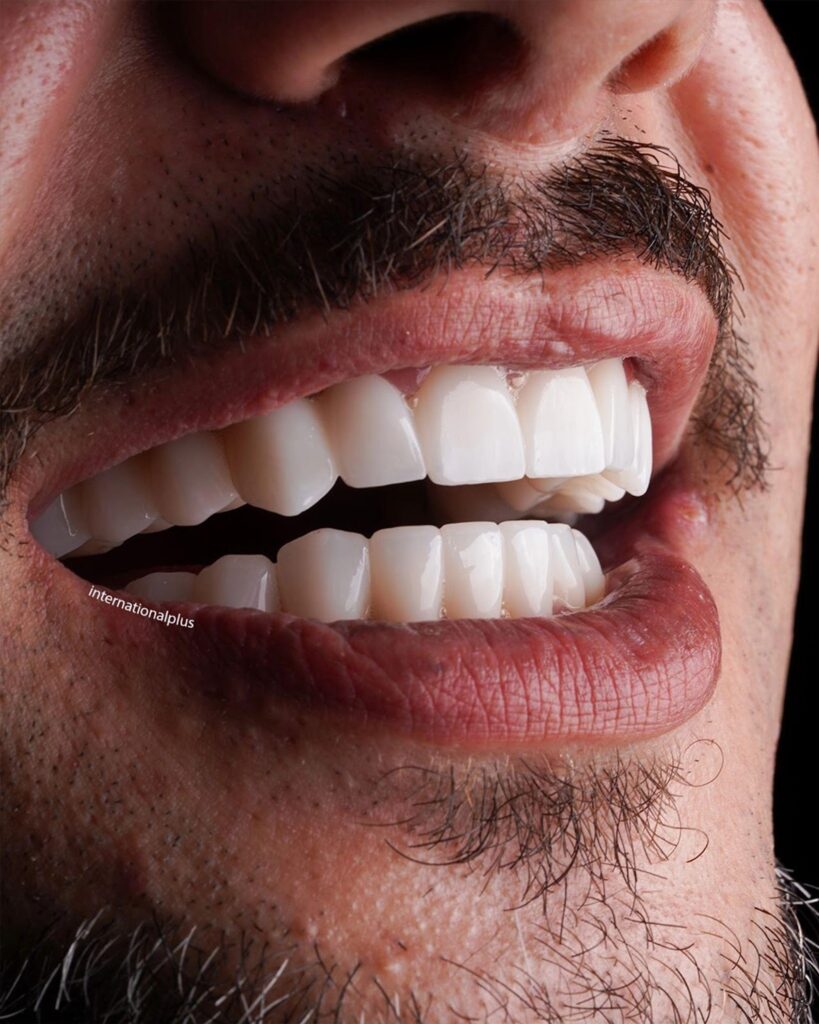
Understanding why dental implants are considered the most durable option requires a look at both the mechanical and biological components of the treatment. Unlike other methods that sit on top of the gums or rely on adjacent teeth for support an implant becomes a foundational part of the jawbone. This stability allows for a biting force that is nearly identical to natural teeth which prevents the common wear and tear seen in other restorations. In this comprehensive guide we will explore the technology and the science and the long term benefits that make dental implants the gold standard for anyone seeking a lifelong solution to tooth loss.
Table of Contents
Understanding Modern Tooth Replacement Technology
By the year 2026 the process of replacing a missing tooth has become almost entirely digital. The traditional messy impressions that once caused patient discomfort have been replaced by high precision intraoral scanners. These devices capture thousands of images per second to create a 3D digital twin of the patient’s mouth. This digital model allows dentists to plan the exact placement of an implant with sub-millimeter accuracy before the surgery even begins.
One of the most significant technological leaps in 2026 is the widespread use of guided surgery. This involve using 3D printed surgical templates that act as a roadmap for the dentist. These guides ensure that the implant is placed in the optimal position for both aesthetic beauty and structural longevity. By avoiding sensitive nerves and maximizing contact with the thickest parts of the bone surgeons can ensure that the implant has the best possible start. Additionally computer aided design and manufacturing (CAD/CAM) technology allows for the creation of custom abutments and crowns that fit perfectly within the patient’s bite which reduces the mechanical stress on the implant post.
The Biological Science of Osseointegration
The secret behind the unmatched durability of a dental implant is a biological process known as osseointegration. When a titanium post is placed into the jawbone the body does not treat it as a foreign object. Instead the bone cells begin to grow directly onto the surface of the metal. This create a structural and functional connection between the living bone and the surface of the load bearing implant. This bond is so strong that the implant effectively becomes a part of the human skeleton.
As Dr. Eren explains: “Durability in dentistry is not just about the strength of the material but the quality of the biological bond. Osseointegration is what makes an implant a true part of the human body allowing it to withstand biting forces equivalent to natural teeth for decades.” This biological fusion is unique to implants because other options like bridges or dentures do not interact with the bone in this way. Over time this bond actually strengthens as the bone continues to remodel around the implant threads. Because the titanium is biocompatible the immune system does not reject it which leads to a success rate that remains the highest in all of prosthetic medicine.
Titanium vs. Zirconia: Choosing the Longest-Lasting Material
When selecting an implant material patients in 2026 generally choose between two high performance options: titanium grade 5 and zirconia. Titanium has been the industry standard for over half a century because of its incredible strength to weight ratio and its proven track record of osseointegration. Grade 5 titanium is an alloy that includes small amounts of aluminum and vanadium to enhance its mechanical properties making it resistant to the extreme pressures of chewing and grinding.
Zirconia on the other hand is a ceramic material that has gained popularity for those seeking a metal free alternative. Zirconia implants are often preferred for patients with metal allergies or those with thin gum tissue where a dark titanium post might show through. While both materials are highly durable zirconia is known for its high resistance to corrosion and its ability to inhibit bacterial plaque buildup. However titanium remains the most widely used material for complex full mouth restorations because of its flexibility in multi part designs. Choosing the longest lasting material often depends on the patient’s specific anatomy and aesthetic goals but both materials offer a lifespan that far exceeds that of any other tooth replacement option.
How Implants Prevent Jawbone Deterioration
One of the most overlooked benefits of dental implants is their ability to preserve the facial structure. When a tooth is lost the underlying bone no longer receives the stimulation it needs from chewing forces. According to Wolffs Law bone will adapt to the loads under which it is placed. Without a tooth root the jawbone begins to melt away in a process called bone resorption. Over time this can lead to a sunken facial appearance and the premature aging of the features.
Dental implants are the only tooth replacement option that stops this process. Because the implant post mimics a natural root it transmits biting forces directly into the jawbone. This stimulation tells the body to keep the bone dense and healthy. By maintaining the volume of the jawbone implants ensure that the surrounding teeth do not shift out of place and the facial contours remain youthful and sharp. This structural preservation is a key reason why implants are considered a “health” treatment rather than just a cosmetic one.
Implants vs. Dentures: A Durability Comparison 2026
When comparing implants to removable dentures the difference in durability is staggering. A standard denture is designed to sit on the gums and is held in place by suction or adhesives. Because the jawbone changes shape after tooth loss dentures inevitably lose their fit. Most patients find that they need to have their dentures relined or completely replaced every 5 to 8 years. Furthermore dentures are prone to accidental damage such as cracking if dropped or warping if cleaned with the wrong solutions.
Dental implants on the other hand are designed to be a permanent solution. Once osseointegration is complete the implant post can last a lifetime with proper care. While the porcelain crown on top of the implant may need replacement after 15 or 20 years due to normal wear the foundation remains solid. In 2026 the materials used for implant supported restorations are significantly stronger than the acrylics used in dentures. This means that implant patients do not have to worry about their teeth slipping or breaking while eating tough foods which provides a level of durability and confidence that dentures simply cannot match.
The Structural Integrity of Dental Implant Posts
A dental implant is a three part system consisting of the post and the abutment and the crown. Each part is engineered to play a specific role in the structural integrity of the entire unit. The post is the screw like piece that enters the bone and it is designed with specific thread patterns to maximize surface area for bone attachment. The abutment is the connector piece that sits on top of the post and emerges through the gum line. Finally the crown is the visible part that looks like a tooth.
The way these pieces fit together is a marvel of micro engineering. In 2026 high precision “conical connections” are used to join the abutment to the post. This creates a bacterial seal and prevents any micro movement between the parts. Micro movement is a primary cause of implant failure in older designs because it can lead to bone loss around the top of the post. By ensuring a rock solid connection the structural integrity of the implant can withstand hundreds of pounds of pressure during the chewing of hard objects. This engineering ensures that the implant functions as a single monolithic unit once it is fully healed.
Success Rates of Dental Implants in Long-Term Studies
Clinical studies spanning over 30 years have consistently shown that dental implants have a success rate of 95% to 98%. This is one of the highest success rates in any surgical field. These long term studies prove that when implants are placed in healthy bone and maintained correctly they rarely fail. The failures that do occur are often related to systemic health issues such as uncontrolled diabetes or a lack of oral hygiene rather than a failure of the implant itself.
The success of modern implants is also due to the strict sterilization and surgical protocols used in 2026. Dentists now use advanced diagnostic tools to ensure the patient is a good candidate before the first incision is made. If a patient lacks enough bone for an implant modern “bone grafting” techniques can rebuild the area to create a stable foundation. This proactive approach to surgery means that the vast majority of patients can enjoy the benefits of their implants for the rest of their lives.
Daily Habits that Extend the Life of Your Implants
While dental implants are incredibly durable they are not “indestructible.” The long term success of an implant depends heavily on the environment in which it lives. The most significant threat to an implant is a condition called peri implantitis. This is an inflammatory disease caused by bacteria that can lead to bone loss around the implant post. To prevent this patients must maintain an impeccable oral hygiene routine.
Daily habits that extend the life of an implant include:
- Brushing twice a day with a soft bristled brush.
- Flossing daily using specialized implant floss or a water flosser.
- Avoiding smoking because nicotine constricts blood flow to the gums and slows down the healing process.
- Attending regular dental checkups for professional cleanings.
- Wearing a night guard if the patient has a history of teeth grinding (bruxism).
By treating an implant with the same care as a natural tooth patients can ensure that the biological bond remains strong and the materials stay in peak condition.
Why Dental Implants Are a One-Time Investment
Many patients are initially hesitant about the cost of dental implants but it is important to view the procedure as a long term investment. When you choose a bridge or a denture you are essentially signing up for a lifetime of maintenance costs. You will need relining and repairs and eventual replacements every few years. When these costs are added up over 20 or 30 years the “cheaper” options often end up being significantly more expensive than a single implant procedure.
One of our patients James from the UK shares: “I spent years paying for new dentures and relining. Choosing implants in Istanbul was the best financial and health decision I ever made. One surgery a few days of recovery and I have a smile that feels like my own again.” Because implants protect the jawbone and the surrounding teeth they also prevent the need for future dental work in other areas of the mouth. In the world of 2026 value is measured by longevity and dental implants provide the highest return on investment for both health and finances.
Advancements in Implant Surface Technology 2026
The year 2026 has brought about massive improvements in the surface chemistry of dental implants. In the past it took 3 to 6 months for an implant to fully fuse with the bone. Today new hydrophilic surfaces have reduced this healing time to just a few weeks. These surfaces attract blood and proteins immediately upon placement which triggers the bone building process much faster than traditional “dry” surfaces.
Furthermore the use of nano coatings has changed how the body reacts to the implant. Some modern implants are coated with microscopic layers of hydroxyapatite which is the primary mineral in natural bone. This trick the body into thinking the implant is already a piece of bone which accelerates the osseointegration process. These technological advancements mean that patients can receive their final teeth much sooner and the risk of early implant failure is significantly reduced even in patients with slightly lower bone density.
For many international patients, choosing dental implants is not only about durability but also about achieving a complete aesthetic transformation. This is where hollywood smile in Turkey solutions stand out. By combining dental implants with advanced cosmetic dentistry techniques such as porcelain veneers and digital smile design, patients can restore both function and appearance in a single comprehensive treatment plan. This integrated approach allows for long-lasting implants while simultaneously delivering the bright, symmetrical, and natural-looking smile that patients seek.
Dental Implants Turkey
Turkey has solidified its position as a global leader in dental implantology. Patients from the UK and Europe and the USA travel to Turkey because the country offers a unique combination of high tech medical facilities and highly experienced surgeons. In 2026 the dental infrastructure in Turkey is among the most advanced in the world with many clinics utilizing 3D digital workflows and robotic surgery assistance.
The reason for the popularity of dental tourism in Turkey is not just about the lower prices but it is about the high volume of cases handled by Turkish dentists. Because they perform so many implant procedures every year they have a level of clinical expertise that is difficult to find in countries where the cost of implants is prohibitive for most people. This experience allows for more successful outcomes in complex cases such as “All on 4” full mouth restorations or zygomatic implants.
Dental Clinic Istanbul
Istanbul has emerged as a premier destination for those seeking a Hollywood Smile or a full mouth reconstruction. The city is home to some of the most luxurious and technologically advanced dental centers in the world. Many of these facilities are JCI accredited which means they follow the highest international standards for patient safety and medical care.
Choosing a dental clinic in Istanbul allows patients to receive “boutique” level service. This means that every treatment plan is customized using digital smile design tools to ensure the final result matches the patient’s facial features and personality. The dentists in Istanbul are often members of international dental associations and stay at the cutting edge of 2026 dental trends. This global perspective combined with a focus on patient comfort makes Istanbul the top choice for international patients seeking a permanent solution to tooth loss.
Patients researching treatment options often turn to trusted platforms such as internationalplus.net to compare clinics, technologies, and patient experiences before making a decision. Having access to transparent information about implant materials, surgical protocols, and long-term outcomes helps international patients feel confident about undergoing dental implant treatment abroad. Reliable resources play a crucial role in guiding patients toward clinics that prioritize durability, safety, and evidence-based dentistry.
Teeth Replacement Turkey
The concept of teeth replacement in Turkey has evolved into an all inclusive experience. For an international patient the journey is designed to be as seamless as possible. Most packages in 2026 include everything from the initial 3D scans and the surgery to the final porcelain crowns. The price advantage remains significant with many patients saving up to 70% compared to prices in their home countries.
A typical teeth replacement journey in Turkey includes:
- VIP transfers from the airport to the hotel and the clinic.
- Accommodation in 5 star hotels near the historic centers of Istanbul.
- Advanced 3D imaging and computer guided surgery.
- Lifetime warranties on premium implant brands.
- Comprehensive aftercare and follow up support.
By choosing to have your procedure in Turkey you are not just buying a new set of teeth because you are investing in a world class medical experience. The combination of expert surgeons and high technology and luxury hospitality ensures that your journey to a new smile is comfortable and successful and life changing.
You must be logged in to post a comment.