
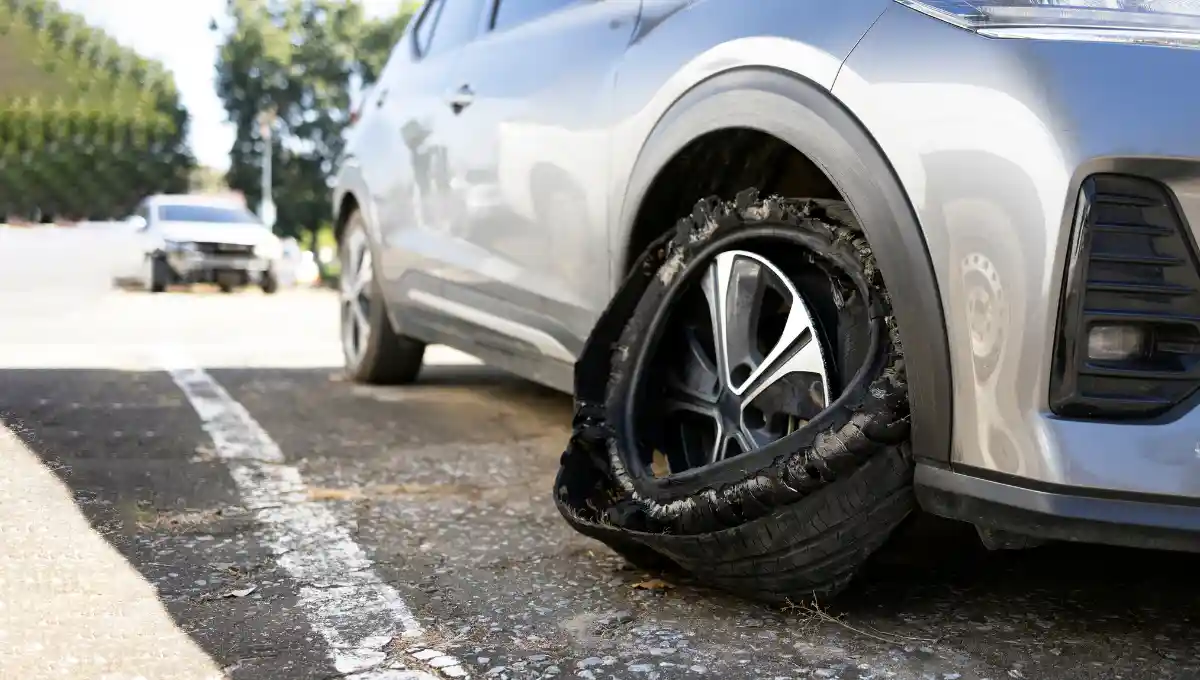

Tires are a kind of shoe to the automobile. In case they are weak or damaged the car cannot move safely. In the majority of cases, a tire does not just burst by itself. It show signs of wear first.
The complete failure of the tire is referred to as a blow out. This may cause swerving of the car, and it may be extremely unsafe to the people inside the car, particularly when the vehicle being driven is a bigger one such as an SUV. Tractor-trailers are large and thus in case one of the tires on them breaks, the collision may be severe. Serious tractor-trailer tire blowout accidents begin with what initially appears to be a minor problem. That is why frequent inspection is extremely significant to tires.
Tires are tough, no doubt, and yet they need to be properly attended to. The amount of pressure, weight, and heat that rubber can handle is limited and when it reaches those limits, it gives in and this may happen abruptly provided one does not observe the warning signs.
Table of Contents
How Does Proper Maintenance Prevent Tire Blowouts?
Different maintenance measures play an important role in ensuring that a blowout does not happen. Here’s a breakdown of some of them:
Proper Tire Pressure
The air pressure is incorrect due to which tires blow out as one of the largest reasons. When this is too small, the tire during rolling bends in an extreme way. This bending has the capability to form heat, which causes the inside to be less strong and causes the bursting of the tires eventually.
When air pressure is excessive, then the tire is stiff. Rigid tire pushes the road more and may burst in case of hitting the rock or pushing it by mistake.
The recommended PSI is a figure by which drivers can determine the level to which the tire should be filled. It is often stipulated on the inside door of the driver or a manual to its owner.
In the case of big trucks or commercial vehicles, one can have systems that monitor tire pressure continuously and alert the author in case anything gets wrong. That is what gets you ahead before you begin to have trouble.
Tread Depth Ensures Safety
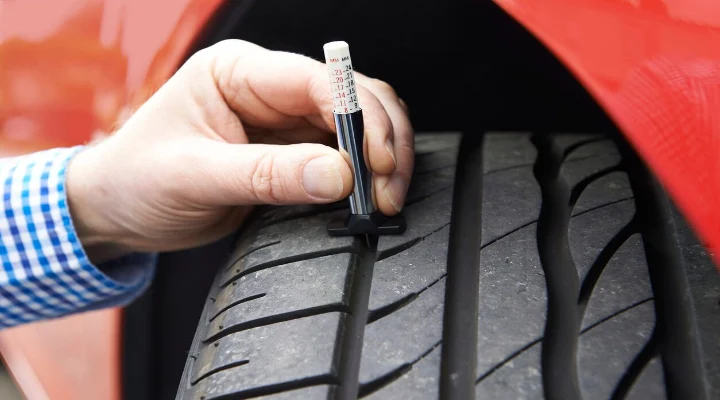
The part of the vehicle tire which touches the road is called tire tread, which gives the tire necessary grip on the road. During wet weather, the treads direct water out of the tire to ensure that the tire remains in contact with the siding. The depth of the treads will be too low, causing an increase in the stopping distances and increasing the danger of skidding or hydroplaning.
Gauge The tread of the fee is easy to gauge. You also examine every corner of the tire to check whether it is wearing. Lop sided wear may also signal other issues such as the alignment of the car or the suspension and thus it requires attention as well.
For front tires, called steer tires, replacement is necessary for around 4/32 of an inch of tread. Drive and trailer tires can go lower, to 2/32, before FMCSA rules say they must be replaced.
Proper Loading Reduces Pressure on Tires
There is what is referred to as the Gross Vehicle Weight Rating or GVWR of tires. Such figure informs you on how heavy the vehicle can safely weigh.
Then the tire load index which is on the sidewall itself. That figure puts you into the know as to the amount of weight each tire can support. And it can blow out just in case you cross over that, not by a great deal.
There should also be equal distribution of weight. One tire should not have a heavier load than the other tires, which will wear off quicker and become extremely hot.
In the case of big trucks or commercial trucks, the weight that is being transported can be checked by the drivers through special weight stations or sensors in the truck. In such a manner, they are aware that the tires are not overloaded.
Tire Rotation, Alignment, and Balancing
Tires also don’t wear the same. Some parts get thin faster, and that makes the tire weak in spots. That’s why people rotate tires. Rotating means you switch the ones in the back to the front and the front to the back. Doing this every so often, like every 30,000 to 50,000 miles for big trucks, spreads out the wear so no spot gets too weak.
Wheel alignment is making sure the wheels are pointing straight. If the wheels are off, the car pulls to one side, shakes while you drive, and the tread wears down unevenly. That makes the tires weaker and can be dangerous if it’s not fixed.
Balancing is another thing that reduces the possibility of blowouts. When you put new tires on, they need to be balanced so they spin evenly. If they aren’t, they vibrate. And it’s this vibration that actually damages the tire insides slowly.
Key Takeaways
- Before a tire blows out, it typically gives warning signs; these signs can be low air, cracks, or worn tread.
- Tractor and trailer tire blowouts are more dangerous because of the size and the impact.
- If you check your tires frequently, you eliminate the possibility of small problems turning into full-blown blowouts.
- Front tires usually get replaced at 4/32 inch tread. Back tires at 2/32.
- Tires can only hold so much weight. Overloading makes them work too hard and can make them fail.
You must be logged in to post a comment.