
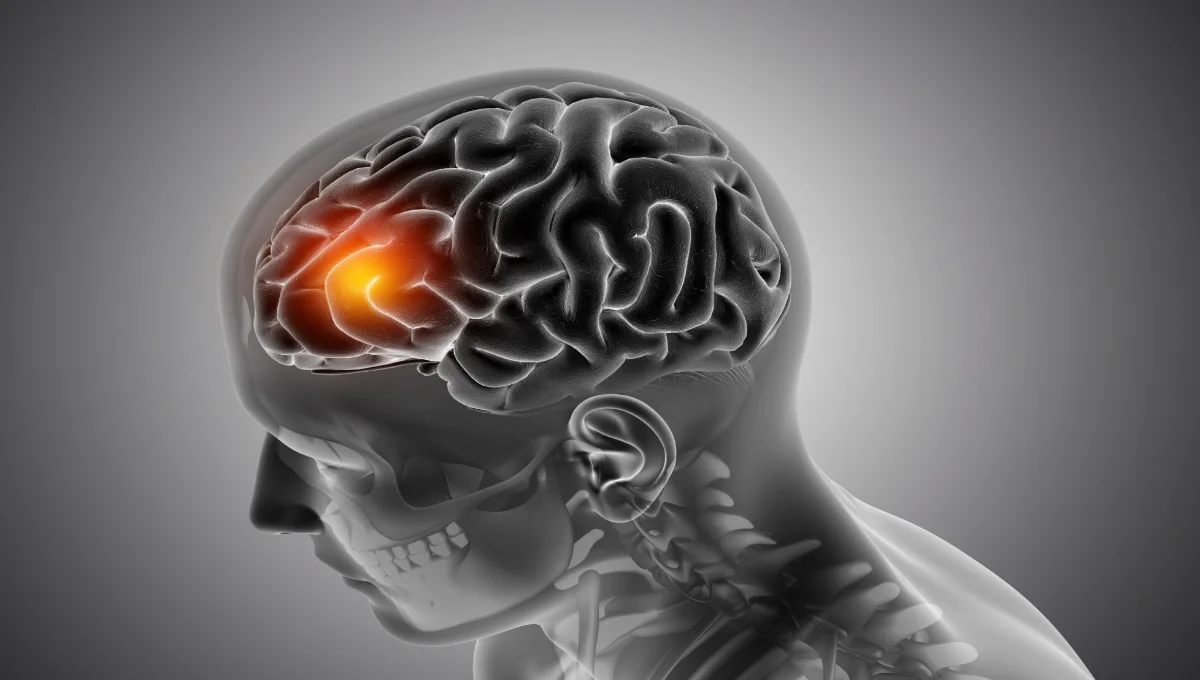

Coup and contrecoup brain injuries happen when the brain is hurt at the site of impact and the opposite side. Because two areas are damaged, the symptoms might be very different and very severe.
A contrecoup brain injury is often described as an injury on the other side of the skull from the blow. Because more brain tissue is impacted, this rebound effect can make symptoms worse. When both sides are hurt, warning symptoms may show up immediately or take a few hours.
This article discusses some of the common symptoms of coup and contrecoup brain injuries.
Table of Contents
Severe Headaches
Patients often notice headaches first. The pain may feel like it’s always there or get worse over time.
This happens because bleeding or swelling makes the pressure inside the skull intense. Then, the brain reacts with pain signals as the pressure builds up.
A severe headache after getting hit in the head should never be ignored. If it gets worse, you may need to get emergency care.
Dizziness and Balance Problems
A lot of people feel dizzy after a coup or contrecoup injury. The room might seem to spin, or it might be challenging to walk.
This happens when the parts of the brain that control balance are messed up. Even basic movements can feel awkward.
Some people may get lightheaded when standing up. That feeling can make you more likely to fall.
Nausea and Vomiting
Dizziness often comes before nausea, and some people throw up more than once. If you throw up a lot, it’s a serious warning sign.
It could mean that the pressure inside the skull is growing. It is important to see a doctor immediately if nausea lasts for hours.
Confusion and Disorientation
A lot of people get confused after these kinds of injuries. Someone can look dazed or not know where they are.
They can ask the same questions over and over again or have trouble following simple instructions. This can be scary for both the patient and their family.
Disorientation is a sign that brain tissue that helps you think has been damaged. A quick evaluation prevents more damage from happening.
Memory Loss

Memory difficulties might show up immediately, and in extreme cases, the victim may not remember the accident itself. Short-term memory is generally the first to suffer. Also, new information may not be retained.
In serious situations, long-term memory can also be impacted. That change can affect a person’s school, job, and relationships.
Loss of Consciousness
There are those who could pass out and take some few seconds.
The others can take a longer period to respond. A small blackout is an indication of brain trauma. Greater destruction is likely to cause an extended unconscious state. Emergency services should be called immediately should one not be able to be woken up.
Seizures
The seizures may occur following a coup or contrecoup injury. These are as a result of an aberrant electrical impulse in the brain.
When a person is in a seizure, he/she can shake, stare or even become confused abruptly. They are not necessarily all very obvious.
When there is a head injury and you have a seizure, then you should seek medical attention immediately. It may imply that it has bleeding or swelling.
Weakness or Slurred Speech
Weakness of muscles can be on one side of the body. Moreover, fine motor abilities may be deteriorated. Oration can either be slow or slurred and difficulty may exist in seeking the proper words.
These symptoms indicate that there is injury to movement and language controlling areas in the brain.
Evaluation is essential to ensure that one is tested as soon as possible.
Key Takeaways
- Two sections of the brain were distressed by coup and contrecoup injuries.
- Headaches and a lot of throwing up are some serious warning signs.
- Memory loss and confusion usually occur at an early stage.
- In case a person experiences a seizure or unconsciousness, he or she requires emergency treatment.
- Close attention must be paid to the symptoms since they can deteriorate in the long run.
You must be logged in to post a comment.