
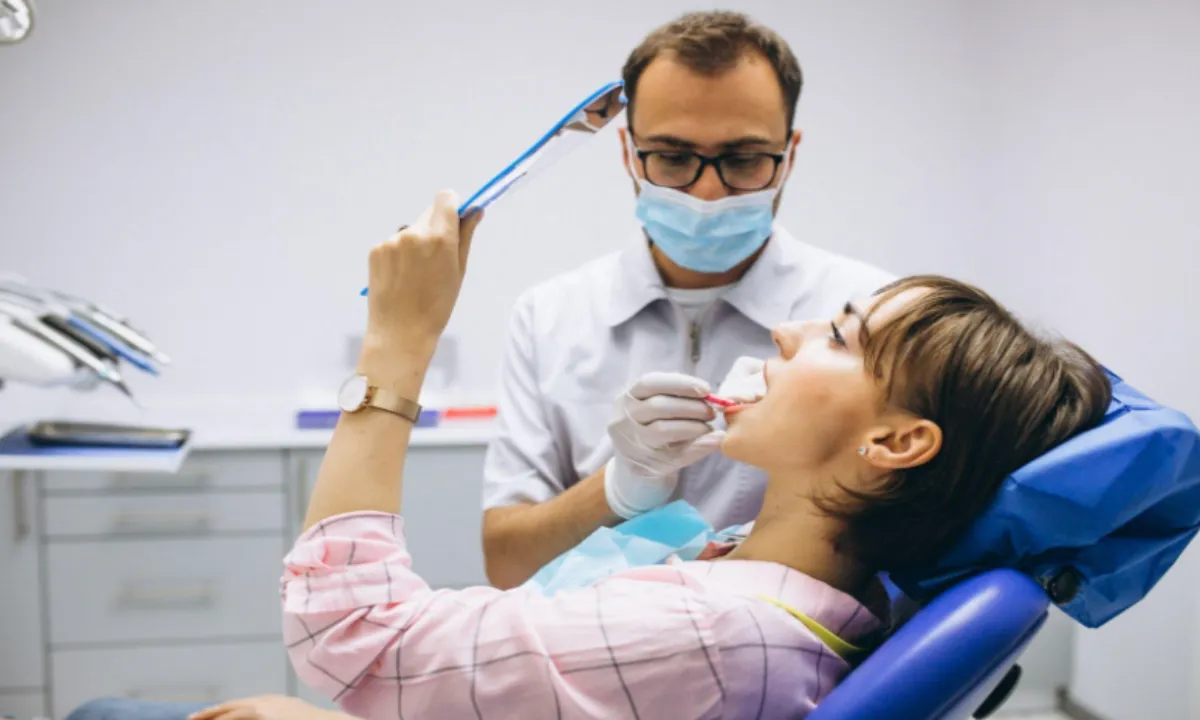

Porcelain veneers are often associated with aesthetic transformation, but their long-term success depends on precision rather than appearance alone. A veneer that appears attractive at first glance can still cause problems if it does not adapt correctly to the tooth and surrounding gum tissue.
When patients search for veneers London services, they are typically focused on shade, shape and cost. Yet the technical detail behind how a veneer sits on the tooth surface determines whether it will last ten years or need premature replacement. A poorly fitting veneer may trap plaque, irritate gums or alter the bite. These issues are rarely visible in photographs but quickly become noticeable in daily life.
According to Dr. Sahil Patel of MaryleboneSmileClinic, careful assessment before London veneers treatment is essential. He explains that veneer fit depends on “precise preparation, detailed digital scanning and a clear understanding of the patient’s bite dynamics.” Patients who want to understand how planning influences outcomes can visit this site to see how modern digital workflows support predictable results. He emphasises that good cosmetic dentistry begins with biology and function, not just surface aesthetics.
Understanding what affects veneer fit empowers patients to ask informed questions during consultations. The following seven factors are commonly considered by cosmetic dentists in London when planning veneer treatment.
Table of Contents
Tooth Preparation and Enamel Preservation
The first and arguably most influential factor affecting veneer fit is tooth preparation. Veneers are thin shells, usually made from porcelain or advanced ceramics, bonded to the front surface of teeth. For them to sit flush without looking bulky, a small amount of enamel must often be removed. The depth, angle and smoothness of this preparation directly influence how accurately the veneer can be fabricated.
In London practices that prioritise minimally invasive dentistry, clinicians aim to preserve as much enamel as possible. Enamel provides the strongest bonding surface, allowing veneers to adhere securely and reducing the risk of debonding over time. However, insufficient preparation can result in over-contoured veneers that feel thick or unnatural against the lips.
Precise preparation requires magnification, calibrated burs and an understanding of facial proportions. Even slight inconsistencies in reduction can create microscopic gaps at the veneer margins. These gaps may harbour bacteria, increasing the risk of decay beneath the restoration. Conversely, excessive preparation can weaken the tooth structure and compromise sensitivity.
Modern digital planning tools allow dentists to simulate the final result before touching the tooth. By designing the ideal shape in advance, the clinician can prepare only what is necessary to achieve the desired alignment and aesthetics. This balance between conservation and accuracy is fundamental to achieving a seamless fit that feels natural in the mouth.
Impression Accuracy and Digital Scanning
Once the tooth has been prepared, capturing an accurate record of its shape is critical. Traditionally, impressions were taken using silicone materials. Although effective, they were vulnerable to distortion if the patient moved or if moisture was present. Today, many London cosmetic clinics rely on high-resolution intraoral scanners that create detailed three-dimensional images of the teeth.
The accuracy of this digital scan significantly affects veneer fit. If margins are not clearly captured, the dental laboratory may fabricate a veneer that does not fully adapt to the edge of the preparation. This can lead to visible lines at the gum margin or slight overhangs that irritate soft tissue.
Moisture control plays a major role during scanning. Saliva or minor bleeding from the gums can obscure critical details. Dentists often use retraction cords or other isolation techniques to ensure the finish line of the preparation is clearly visible. The more precise the data sent to the laboratory, the more predictable the final result.
In complex cases involving multiple veneers, digital software can also evaluate symmetry and spacing across the entire smile. This reduces the risk of minor discrepancies that become obvious once several restorations are placed side by side. Accurate records, whether digital or conventional, form the technical foundation for a veneer that fits comfortably and looks refined.
Laboratory Craftsmanship and Material Choice
Even with flawless preparation and scanning, veneer fit depends heavily on the skill of the dental laboratory. In London, many cosmetic dentists collaborate with specialised ceramists who focus exclusively on aesthetic restorations. The laboratory interprets the dentist’s instructions, digital files and shade information to fabricate each veneer with microscopic precision.
The choice of material influences both thickness and marginal accuracy. Feldspathic porcelain allows for exceptional aesthetics and can be layered finely, but it requires careful handling. Lithium disilicate ceramics offer strength and consistency, making them popular for cases requiring durability. Each material has distinct fabrication techniques that affect how closely the veneer adapts to the tooth surface.
During manufacturing, the ceramist must respect the exact margin defined by the dentist. If the edge is even slightly overextended, it may create plaque-retentive areas. If it falls short, a gap may be visible. Communication between dentist and technician is therefore essential. Photographs, bite records and shade maps guide the laboratory in creating restorations that integrate harmoniously with natural teeth.
Trial fittings provide an additional safeguard. Before final bonding, veneers are temporarily placed to assess marginal adaptation and contour. Adjustments can then be made if necessary. This collaborative process ensures that aesthetics do not overshadow functional precision.
Bite Alignment and Occlusion
Veneer fit is not limited to how the restoration sits on a single tooth. It also relates to how that tooth interacts with opposing teeth during chewing and speaking. Occlusion, or bite alignment, is a critical factor that can determine whether veneers remain stable or experience stress fractures.
In London, where many adults seek cosmetic improvements later in life, underlying bite issues such as grinding or uneven wear are common. If these are not addressed, veneers may chip or debond prematurely. A veneer that appears well-fitted at rest may be subjected to excessive force during lateral movements of the jaw.
Dentists assess occlusion using articulating paper, digital bite analysis systems and clinical observation. They evaluate how the front teeth guide jaw movement and whether certain teeth absorb disproportionate pressure. In some cases, minor orthodontic treatment or bite equilibration may be recommended before veneers are placed.
Night guards are frequently advised for patients who grind their teeth. Protecting the veneers from nocturnal forces helps maintain both fit and structural integrity. By considering the dynamic function of the mouth, rather than focusing solely on static appearance, cosmetic dentists improve the longevity and comfort of veneer restorations.
Gum Health and Soft Tissue Stability
The relationship between veneers and the surrounding gum tissue is another decisive factor. Healthy gums provide a stable frame for cosmetic work. If inflammation or periodontal disease is present, the gum line may shift over time, exposing veneer margins and compromising fit.
Before starting veneer treatment, London dentists typically conduct a comprehensive periodontal assessment. Scaling, polishing or more advanced gum therapy may be required to ensure tissues are firm and disease-free. When gums are healthy, they contour neatly around the veneer, creating a natural transition between restoration and tooth.
Gum recession presents additional challenges. If the gum line has already receded, careful planning is needed to avoid visible margins. In some cases, soft tissue grafting may be considered before veneer placement to establish symmetry. Stability is key; if the gum level changes after bonding, the veneer may appear too long or misaligned.
Meticulous hygiene after placement is equally important. Patients must maintain regular dental visits and effective home care. Even the most precisely fitted veneer can fail if plaque accumulates at its margins. Long-term success therefore depends on partnership between patient and clinician.
Bonding Technique and Adhesive Protocol
The final stage of veneer placement involves bonding, a technically demanding process that significantly influences fit and durability. The tooth surface is cleaned, etched and treated with bonding agents before the veneer is cemented in place. Each step must be performed under controlled conditions to ensure complete adaptation.
If the adhesive layer is too thick, it can subtly alter how the veneer sits against the tooth. Modern resin cements are designed to flow evenly, but technique sensitivity remains. Isolation from moisture is critical; even minor contamination can weaken the bond and create micro-gaps.
Dentists carefully remove excess cement from around the margins before it hardens. Residual cement can irritate the gums and attract plaque. After curing, the veneer margins are polished to achieve a smooth transition. This finishing stage contributes not only to comfort but also to periodontal health.
High-quality bonding transforms a delicate porcelain shell into a functional part of the tooth structure. When executed correctly, the veneer becomes virtually indistinguishable from natural enamel in both appearance and feel.
Ongoing Maintenance and Lifestyle Factors
The final factor affecting veneer fit is what happens after the patient leaves the clinic. Although veneers are durable, they are not immune to lifestyle influences. Dietary habits, oral hygiene practices and parafunctional behaviours all play a role in maintaining their adaptation.
Frequent consumption of acidic drinks can erode the bonding interface over time. Smoking may stain the margins, making them more visible. Nail biting or using teeth as tools can create micro-fractures that compromise the seal between veneer and tooth.
Regular reviews allow dentists to monitor fit and address minor issues before they escalate. Professional cleaning helps maintain gum health and prevent plaque accumulation around the edges. In some cases, minor polishing can restore surface smoothness if wear is detected.
Patients considering veneers London treatment should view the procedure as a long-term commitment rather than a one-off cosmetic upgrade. When preparation, planning and maintenance align, veneers can provide many years of functional and aesthetic benefit. By understanding the seven factors that influence fit, individuals are better equipped to choose experienced clinicians and participate actively in preserving their results.
You must be logged in to post a comment.