
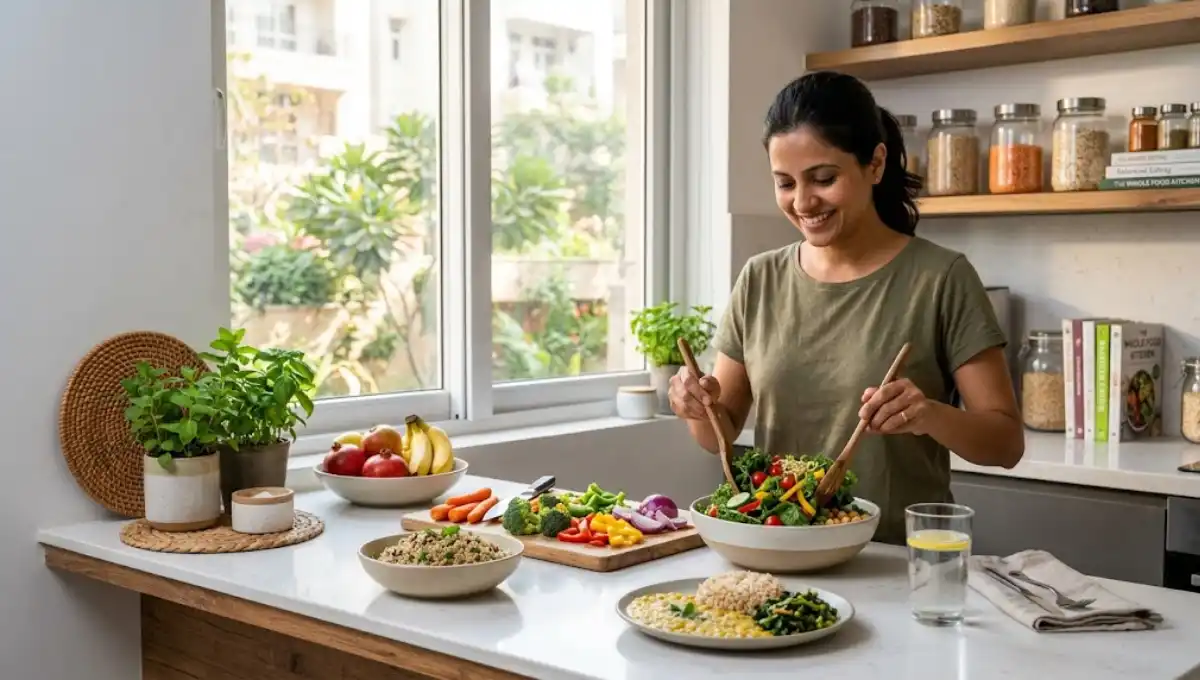

Most people don’t wake up one day and suddenly develop diabetes, high cholesterol, or heart problems. These issues usually build slowly. One meal, one habit, one skipped breakfast at a time.
It sounds dramatic, but your daily food choices shape your health more than any occasional diet plan ever will.
You don’t need extreme detoxes or complicated meal charts. What you eat on normal weekdays matters far more than what you eat on one “healthy Monday.”
Let’s talk about how simple, everyday eating habits can quietly protect you from lifestyle diseases.
Table of Contents
What Are Lifestyle Diseases and Why They’re Increasing
Lifestyle diseases include conditions like:
- Type 2 diabetes
- High blood pressure
- Obesity
- Heart disease
- Fatty liver
- PCOS
These are not rare anymore. You probably know at least one person dealing with them. Maybe more.
Why is this happening?
Because modern eating habits look like this:
- Skipping breakfast
- Eating late at night
- Relying on packaged snacks
- Drinking sugary beverages daily
- Sitting for long hours and eating mindlessly
None of these habits feels dangerous in the moment. But they add up.
Your Plate Is More Powerful Than You Think
People often believe medicine fixes lifestyle diseases. Food prevents them.
Your body responds to what you eat every single day. Blood sugar, cholesterol, hormone balance, gut health, all of it reacts to your meals.
When you regularly eat:
- Too much sugar
- Refined carbs
- Deep-fried foods
- Very little fibre
Your body stays in a stressed state. Over time, that stress shows up as disease.
But here’s the good part. Small daily changes create real protection.
Habit 1: Eating at Regular Timings Stabilises Blood Sugar
Irregular eating confuses your metabolism. One day you skip breakfast, the next day you overeat at lunch, then you snack all night. Your body never knows what to expect.
This leads to:
- Energy crashes
- Sugar cravings
- Increased insulin resistance
Try something simple:
- Eat breakfast within two hours of waking up
- Keep 3 main meals and 1–2 small snacks
- Avoid long gaps longer than 4–5 hours
You may notice better energy in just a week. It’s not magic. Your blood sugar simply becomes stable.
Habit 2: Not All Carbs Are the Same
Carbohydrates often get blamed for weight gain and diabetes. But the real issue is refined carbs.
These are foods like:
- White bread
- Bakery biscuits
- Sugary cereals
- White rice in large portions
They digest quickly and spike blood sugar.
Compare that with complex carbs:
- Millets
- Brown rice
- Oats
- Whole wheat roti
These release energy slowly and keep you full longer.
You don’t need to remove carbs. You just need to choose better ones.
Habit 3: Protein in Every Meal Helps More Than You Realise
Many Indian meals are carb-heavy. Rice or roti takes up most of the plate, while protein becomes a side dish.
This pattern increases:
- Hunger soon after meals
- Muscle loss
- Blood sugar spikes
Adding protein is easier than people think:
- Eggs at breakfast
- Dal or paneer with lunch
- Curd or chana as snacks
Even small portions help. Protein slows digestion and keeps you satisfied.
Habit 4: Fibre Is Quietly Protecting Your Heart and Gut
Fibre doesn’t get the same attention as protein or carbs. Yet it plays a major role in preventing disease.
High-fibre foods include:
- Vegetables
- Fruits
- Whole grains
- Seeds and nuts
Fibre helps:
- Lower cholesterol
- Improve digestion
- Control blood sugar
- Support gut bacteria
If your plate looks mostly beige or white, it probably lacks fibre.
A simple rule: half your plate should have vegetables in at least two meals daily.
Habit 5: Your Beverage Choices Matter More Than You Think
Many people focus on food but ignore drinks.
A single bottle of soda or a large sugary coffee can contain more sugar than an entire meal should.
Common hidden sugar sources:
- Packaged fruit juices
- Flavoured milk
- Energy drinks
- Sweetened tea or coffee multiple times a day
Replacing just one sugary drink with water or unsweetened beverages daily can reduce your weekly sugar intake drastically.
It’s one of the easiest health wins.
Habit 6: Late-Night Eating Is Harder on Your Body
Your body follows a natural rhythm. Digestion slows at night.
Eating heavy meals at 11 pm or midnight forces your body to process food when it should be resting. Over time, these links to:
- Weight gain
- Acid reflux
- Poor sleep
- Insulin resistance
Try setting a simple boundary. Finish dinner at least 2–3 hours before sleeping.
It feels difficult in the beginning, especially if you work late. But your sleep quality often improves within days.
Habit 7: Portion Size Can Make or Break Your Health
Even healthy food can cause problems in excessive amounts.
You don’t need to measure every gram. But you should stay aware of portions.
A balanced plate usually looks like:
- ½ vegetables
- ¼ protein
- ¼ carbs
If your plate is filled edge to edge with rice or roti, you’re likely overeating carbs without realising it.
How Mindless Eating Contributes to Lifestyle Diseases
You might be eating healthy food, but still gaining weight or feeling unwell. One overlooked reason is distracted eating.
Eating while:
- Watching TV
- Scrolling your phone
- Working on your laptop
Often leads to overeating. You miss your body’s fullness signals.
Try this once. Eat one meal daily without screens. Just focus on your food.
It sounds simple. Yet most people find it surprisingly hard.
The Role of Home-Cooked Meals in Long-Term Health
Restaurant food and packaged meals usually contain:
- Excess salt
- Added sugar
- Refined oils
- Preservatives
These ingredients make food taste good, but harm your health when eaten frequently.
Home-cooked food gives you control. You decide:
- How much oil goes in
- How much salt you use
- What ingredients do you include
Even basic home meals like dal, roti, sabzi, and curd are more balanced than most takeaway options.
Small Daily Habits That Add Up Over the Years
You don’t develop heart disease from one burger. You develop it from years of repeated patterns.
Think about habits like:
- Drinking sugary tea three times a day
- Skipping vegetables regularly
- Eating fried snacks every evening
- Constant late-night snacking
Each habit feels harmless. But together, they shape your long-term health.
If you change just two of these habits, you will already reduce your risk.
Why Crash Diets Don’t Prevent Lifestyle Diseases
Crash diets often focus on rapid weight loss. They restrict calories drastically and remove entire food groups.
People may lose weight quickly, but they also lose:
- Muscle mass
- Energy
- Nutritional balance
Once normal eating resumes, weight returns. The underlying habits remain unchanged.
Preventing lifestyle diseases requires sustainable eating patterns, not short-term restriction.
The Link Between Stress Eating and Metabolic Disorders
Food is not just fuel. It’s also comfort.
Many people reach for:
- Sweets
- Fried snacks
- Fast food
when stressed or anxious.
This emotional eating pattern increases calorie intake and blood sugar fluctuations.
You don’t need to eliminate comfort food completely. But noticing your triggers helps.
Ask yourself sometimes:
Am I hungry, or just stressed?
That one question can stop many unnecessary snacks.
How Professional Guidance Can Make a Difference
General nutrition advice works for some people. But everyone’s body reacts differently to food.
Age, medical history, activity level, and hormone health all influence dietary needs.
This is why many people choose to consult the best nutritionist in Bangalore or other qualified professionals who can:
- Analyse blood reports
- Understand cultural food habits
- Create realistic meal plans
A personalised approach often works better than copying diets from social media.
Real-Life Example: How Small Changes Prevent Bigger Problems
Consider a typical office worker:
- Skips breakfast
- Eats large lunch portions
- Drinks sugary tea three times
- Orders dinner late at night
Within a few years, they may develop:
- Weight gain
- Pre-diabetes
- High cholesterol
Now imagine small changes:
- Adding a simple breakfast like eggs or poha
- Reducing sugar in tea
- Eating dinner earlier
- Including vegetables daily
These are not extreme changes. Yet they can prevent serious diseases.
Simple Daily Eating Routine You Can Start Today
If you feel overwhelmed by too many tips, start with a basic structure:
Morning
- Warm water or plain water
- Balanced breakfast with protein and carbs
Afternoon
- Home-cooked lunch
- Include dal, vegetables, and whole grains
Evening
- Light snack like fruit, nuts, or roasted chana
Night
- Early, lighter dinner
- Avoid heavy fried foods
You don’t need perfection. You just need consistency.
Common Mistakes People Make While Trying to Eat Healthy
Some habits look healthy but aren’t always helpful:
- Replacing meals with only fruit
- Drinking large amounts of packaged “health drinks”
- Avoiding all fats, including healthy ones
- Overeating dry fruits because they are “natural”
Healthy eating is about balance, not extremes.
Your Eating Habits Influence Future Generations Too
Children learn by watching adults. If they see:
- Frequent junk food
- Sugary beverages daily
- No vegetables on the plate
They grow up thinking that’s normal.
But when they see regular home meals, fruits, and balanced portions, they carry those habits into adulthood.
So, your food choices affect not just your health, but your family’s future health too.
When Should You Consider Professional Help
You might manage fine with general healthy habits. But some situations need expert guidance:
- Sudden weight gain or loss
- PCOS or thyroid issues
- Pre-diabetes or high cholesterol
- Digestive problems that don’t improve
In such cases, consulting the best nutritionist in Bangalore or a certified professional can help you avoid trial-and-error diets.
They can design a plan that fits your routine, food preferences, and medical needs.
Everyday Eating Is Your Long-Term Health Insurance
Insurance policies help after problems occur. Healthy eating prevents problems from showing up in the first place.
You don’t need luxury ingredients or imported superfoods. Simple local foods like:
- Dal
- Rice or millets
- Seasonal vegetables
- Curd
- Fruits
already provides most nutrients your body needs.
The real challenge isn’t access to healthy food. It’s consistency.
So, ask yourself a simple question tonight when you sit down for dinner:
Is this meal helping my future health or hurting it?
You don’t have to change everything at once. But one better choice today becomes a habit tomorrow. And habits decide whether lifestyle diseases enter your life or stay far away.
You must be logged in to post a comment.