
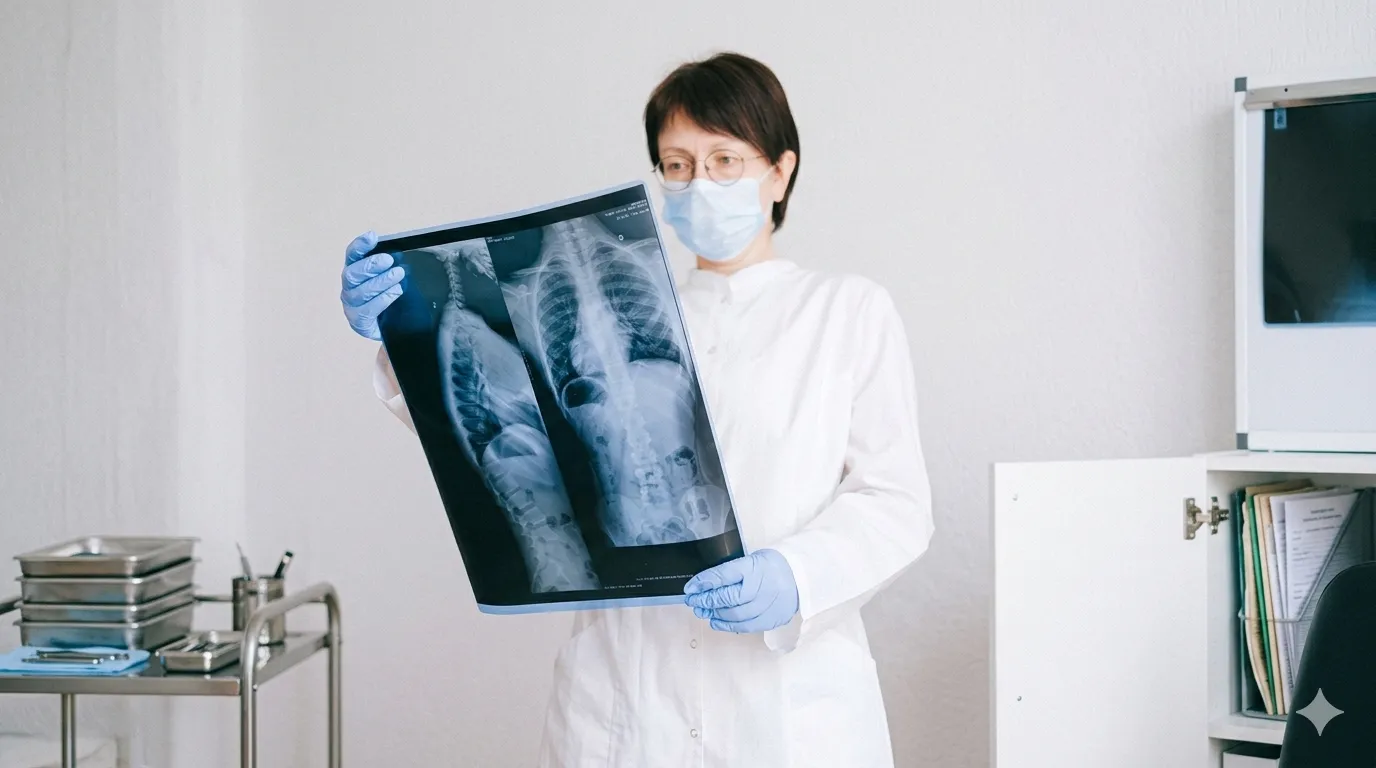

In the past, asbestos was almost prevalent in building materials. It was only later that its adverse health effects were brought into the spotlight. Not only does it pose a risk to people with preexisting conditions such as emphysema and asthma, but the substance can also result in the development of a type of cancer known as mesothelioma.
While asbestos has been heavily regulated since then, exposure is still possible among those living and working in contaminated areas. Sadly, for most, diagnosis comes too late when the disease progresses rapidly.
It usually takes more than a decade before a person finds out they have mesothelioma, but that doesn’t rule out any chance of recovering physically, emotionally, and financially from the condition. It’s only a matter of knowing exactly what to do as you deal with your condition:
Table of Contents
1. Rely on Expert Guidance and Resources
Following a mesothelioma diagnosis, you shouldn’t rely solely on what you find on Google to help you decide on your first steps. An oncologist who specializes in the condition should be your only source of reliable information and instruction.
It’s easy to fall for unverified information about “miracle” treatment and natural remedies, but considering how aggressive it can be, you must trust only what science says. If you want to know more about your condition or confirm your specialist’s findings, you can look up another healthcare professional to provide you with a second opinion.
When it comes to checking online resources that will help connect you with the right centers and professionals, trust only websites run by foundations or organizations focused on guiding mesothelioma patients. Mesothelioma Hope is one site you can check out for a list of centers near you, as well as legal resources in case you’re planning to file a claim against a third party for exposing you directly or indirectly to asbestos-contaminated areas. You can also find local aid groups of mesothelioma survivors and the loved ones of those who passed away from the disease.
2. Know What Treatment Options are Available on the Table
Battling mesothelioma hinges on the type of treatment you’re allowed to get based on how fast the condition has progressed, as well as the pre-existing conditions you may have that will affect the efficiency of your treatment plan.
The risks are greater if you’ve been living with asthma or chronic obstructive pulmonary disease, both of which may disqualify you from treatment options, especially invasive operations such as a pleurectomy/decortication. In the same way, your body may respond differently to immunotherapy drugs and chemotherapy if you happen to have preexisting kidney issues and poor immunity.
You may have doubts about your doctor’s treatment recommendations. This is often normal among cancer patients, but it pays to know that you could deprive yourself of undergoing the best possible treatment plan if you allow your doubts to take over. The key is to share your reservations with your doctor.
Ultimately, the final decision lies with you, but it matters to talk to your doctor if there are safer and less costly treatment alternatives you can try. Be open about your anxieties if you’re a candidate for chemotherapy and ask your doctor what to expect as you go through the process. This should help allay your fears and, if necessary, allow for a personalized treatment plan.
3. Accept Changes to Your Lifestyle
As you undergo treatment, your body will have a hard time keeping up, especially if you’re scheduled for chemotherapy sessions, which take a significant toll on your cells. Mitigating the side effects should involve reinforcing your body’s defenses by getting ample rest and nutrition. Your doctor may recommend getting as much protein as you can to help repair damaged cells, but they may advise against consuming most red meats.
Even in your current state, an active lifestyle can help you deal with muscle stiffness and fatigue, which often follow a chemotherapy session. Brisk walking and low-impact activities such as cycling and yoga, coupled with mindful meditation, can help boost stamina as well as your mood. Be sure to avoid workout plans that are too intense and may even raise the risk of injury, but it’s always best to ask your doctor.
4. Explore Your Legal Options
Considering how costly mesothelioma treatment can be, you can expect to exhaust your finances in the first year of treatment. On the other hand, if your condition was found to have been caused by a liable party, then you may have a good case to demand compensation. This is possible if you were working at a facility that was contaminated with asbestos fibers, which your employer had failed to disclose.
For this, you may need to gather evidence that includes your mesothelioma diagnosis and proof of your employment at the facility. Keep in mind that you’re only allowed to pursue a claim once a diagnosis is confirmed. At this point, you will need a qualified lawyer to represent you and help you secure a payout, either directly from the other party or through an asbestos trust fund.
Endnote
It’s hard enough to know that you’ve been diagnosed with mesothelioma, but all is not lost. You just need to rely on these key steps so you can survive your ordeal and move forward.
You must be logged in to post a comment.