
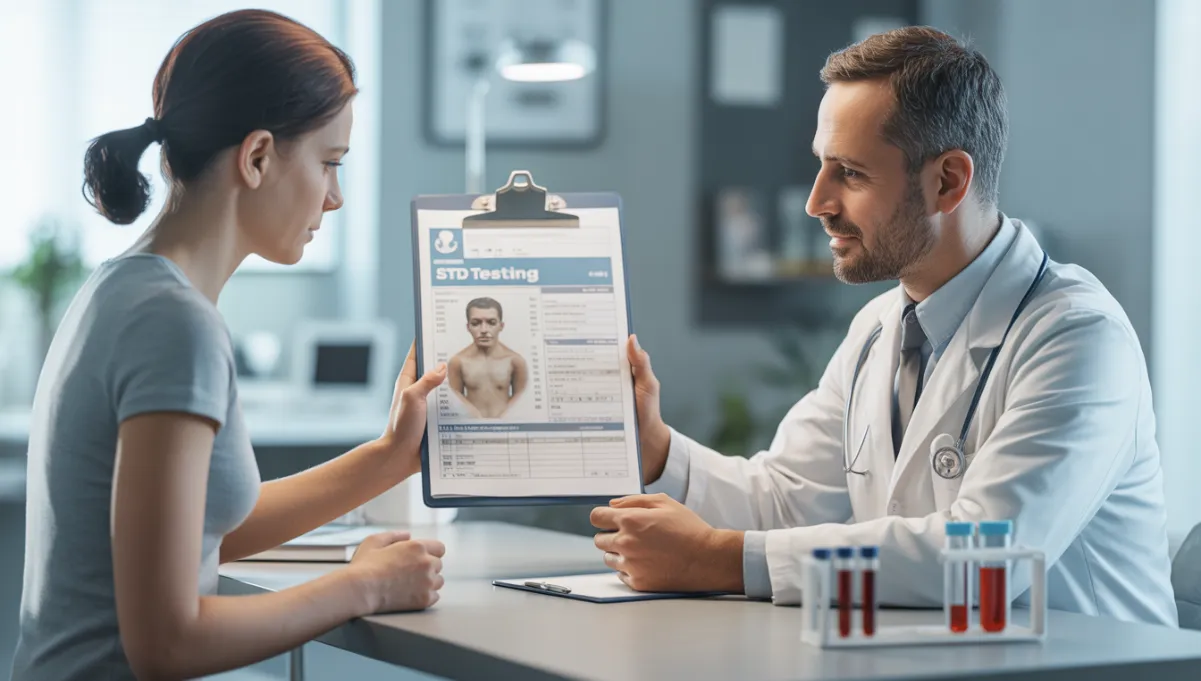

Sexually Transmitted Diseases (STDs), also known as Sexually Transmitted Infections (STIs), are infections that primarily spread through sexual contact. These diseases can affect people of all ages and backgrounds and often go unnoticed due to mild or no symptoms. Understanding what STD diseases are and why regular STD testing—including a blood test—is important can help protect your health and prevent long-term complications.
Table of Contents
What Are STD Diseases?
STD diseases are infections caused by bacteria, viruses, or parasites that pass from one person to another through vaginal, anal, or oral sex. Some STDs can also spread through blood contact, sharing needles, or from mother to child during pregnancy or childbirth.
Common Types of STD Diseases include:
- Chlamydia
- Gonorrhea
- Syphilis
- HIV (Human Immunodeficiency Virus)
- Hepatitis B and C
- Herpes (HSV)
- Human Papillomavirus (HPV)
Many STD diseases do not show immediate symptoms. A person may feel healthy while still carrying and spreading the infection. This is why regular STD tests and blood tests play a crucial role in early detection.
Common Symptoms of STD Diseases
- Symptoms vary depending on the type of STD, but some common signs include:
- Unusual discharge from the genitals
- Pain or burning during urination
- Sores, blisters, or rashes around the genital area
- Itching or irritation
- Pain during sexual intercourse
- Fever or fatigue (in some cases)
However, it’s important to note that many people experience no symptoms at all, making STD testing essential even if you feel fine.
What Is an STD Test?
An STD test is a medical examination used to detect sexually transmitted infections in the body. Depending on the suspected infection, a healthcare provider may recommend different types of tests, including:
- Blood test – commonly used to detect HIV, syphilis, and hepatitis
- Urine test – often used for chlamydia and gonorrhea
- Swab test – taken from the genital area, throat, or rectum
A blood test for STDs is one of the most reliable and widely used diagnostic methods, especially for infections that spread through the bloodstream.
Benefits of STD Testing
Regular STD testing offers several important health and lifestyle benefits:
1. Early Detection and Treatment
Early diagnosis through an STD test allows infections to be treated before they cause serious complications. Many bacterial STDs can be completely cured if detected early.
2. Prevents Long-Term Health Problems
Untreated STD diseases can lead to severe health issues such as infertility, chronic pelvic pain, liver disease, nerve damage, and weakened immunity. A timely blood test can help prevent these risks.
3. Reduces the Spread of Infection
Knowing your STD status helps you take responsible steps to protect your partner. Regular STD testing reduces the risk of unknowingly transmitting infections to others.
4. Protects Reproductive Health
For men and women alike, untreated STDs can impact reproductive health. Routine STD tests are especially important for couples planning pregnancy.
5. Peace of Mind
One of the biggest benefits of STD testing is mental relief. Getting tested and receiving clear results can reduce anxiety and help you make informed decisions about your health.
6. Supports a Healthy Lifestyle
STD testing encourages awareness, safe practices, and regular health checkups. Including an STD blood test as part of routine medical care supports overall well-being.
Who Should Get an STD Test?
STD testing is recommended for:
- Sexually active individuals
- People with multiple partners
- Individuals starting a new relationship
- Pregnant women
- Anyone experiencing symptoms of an STD
- People who have had unprotected sex
- Healthcare experts advise routine STD testing even in the absence of symptoms.
Conclusion
STD diseases are more common than many people realize, and ignoring them can lead to serious health consequences. Regular STD testing, including a blood test, is the most effective way to detect infections early, protect your health, and prevent the spread of disease. Whether you are experiencing symptoms or simply want reassurance, getting an STD test is a responsible and essential step toward maintaining a healthy life.
You must be logged in to post a comment.